Technology and Science08 May, 20262 min read
NHTSA Investigates Uber Partner Avride After 16 Robotaxi Crashes in Dallas and Austin, Texas
This article is an automated aggregation of coverage from news outlets. Our editorials offer in-depth analysis curated by the NewsCord team.
NHTSA opened a formal investigation into Avride's autonomous vehicles. Covers 16 crashes across Dallas and Austin with one minor injury.

NHTSA opens Avride probe
The U.S. National Highway Traffic Safety Administration opened an investigation into Uber Technologies’ robotaxi partner Avride Inc. after regulators linked 16 crashes involving its vehicles in Dallas and Austin, Texas.
NHTSA said the probe will examine potential defects related to “conflict avoidance, driving behavior competence and assertiveness” in Avride’s automated driving system, with crashes occurring while an in-vehicle safety operator was present and monitoring.
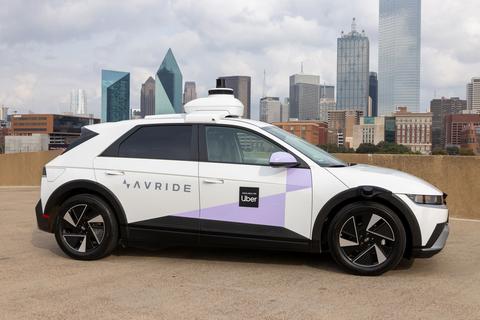
In its preliminary review, NHTSA said the vehicles improperly changed lanes into moving traffic, did not brake for slow-moving or stopped vehicles, and struck stationary objects partially blocking the roadway.
The regulator said one alleged minor injury was reported, though there were no fatalities or fires, and it said all incidents resulted in property damage while the ADS was fully engaged.
Uber’s shares closed 2% lower on Friday as the probe was announced.
Crash pattern and monitor
The Office of Defects Investigation said Avride’s vehicles, all operating with safety monitors onboard, showed weaknesses in lane changes, responses to adjacent or slow‑moving vehicles, and detection of stationary obstacles. TechCrunch reported that the Office of Defects Investigation (ODI) said all 16 crashes it identified have to do with “the competence of” Avride’s self-driving system, including struggles with changing lanes and responding to stationary objects. TechCrunch also said all of the crashes came while the Avride vehicles were under the supervision of a safety monitor in the driver’s seat, and it noted Avride declined to explain why the safety monitors did not intervene.
Avride said it reported crashes to NHTSA as required by the agency’s 2021 Standing General Order on automated driving and that it implemented targeted technical and operational mitigations for incidents between December 2025 and March 2026. The probe is tied to Uber’s scaling of autonomous rides in Dallas, where TechCrunch said “many of the reported crashes have occurred,” and where Uber started offering rides in Avride robotaxis a few months earlier.

Investment and rollout risk
The investigation comes as Avride expands its robotaxi partnership with Uber, which TechCrunch said was backed by “strategic investments and other commitments” worth up to $375 million. TechCrunch reported that Uber and its parent company Nebius agreed to make “strategic investments and other commitments” to Avride worth up to $375 million, and it said the probe could complicate Uber’s autonomous rollout as incidents accumulate. Avride said it has implemented targeted technical and operational mitigations and that its “frequency of incidents relative to our mileage has steadily declined,” while the ODI’s preliminary review described specific behaviors including failing to slow or stop for slow-moving or stopped vehicles.
Carrier Management said NHTSA noted the vehicles executed lane changes into other vehicles and failed to avoid vehicles or objects in the road, and it said the investigation will assess risks to passengers and other road users. Uber and Hyundai did not immediately respond to requests for comment, leaving the next step—what NHTSA finds about potential safety defects—hanging over the partnership’s continued deployment.