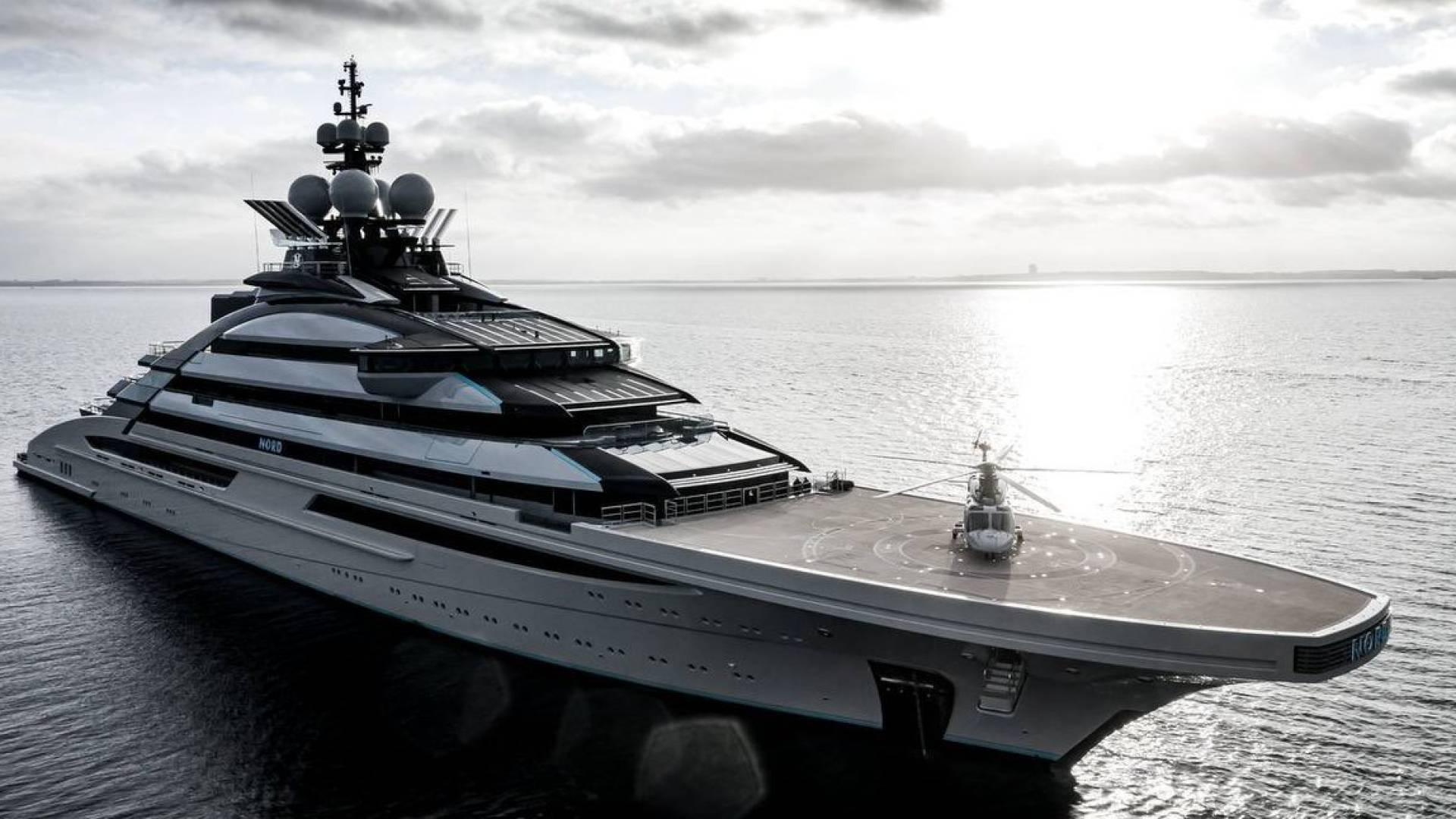
Nord Superyacht Linked to Alexei Mordashov Transits Strait of Hormuz Despite US And Iran Blockades
Key Takeaways
- Nord, a 142-meter, $500m-plus yacht linked to Alexei Mordashov, transited Hormuz from Dubai to Muscat.
- The voyage occurred amid US and Iranian blockades, a rare private transit.
- Mordashov is sanctioned by the US and EU; sanctions context surrounds the crossing.
Nord’s Hormuz Transit
A luxury superyacht linked to Russian billionaire Alexei Mordashov transited the Strait of Hormuz over the weekend despite parallel blockades maintained there by the United States and Iran, according to tracking data cited by multiple outlets.
“A luxury superyacht linked to a Russian oligarch passed through the Strait of Hormuz over the weekend, data showed Tuesday, despite the parallel blockades maintained there by the United States and Iran”
The yacht, named Nord, is described as a 140-metre vessel in one account and a 142m-long (465 ft) multi-deck boat in another, with both saying it passed through the strait on Saturday.
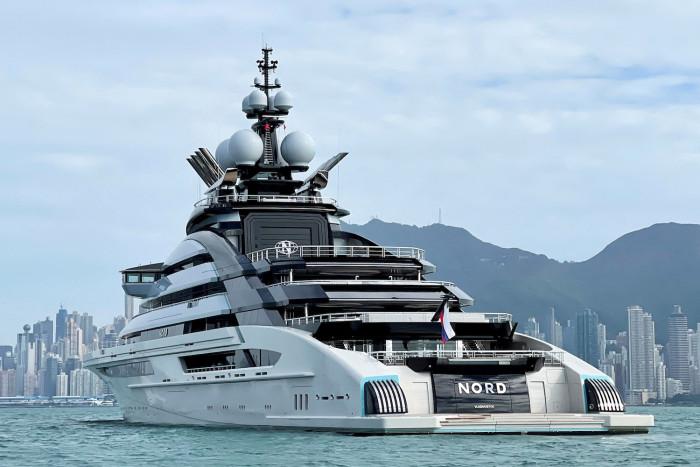
Reuters and the New York Times both say the Nord left Port Rashid in Dubai, United Arab Emirates, where it had been docked for weeks, on Friday and sailed through the strait on Saturday, with the tracking services VesselFinder.com and Kpler used to document the movement.
The BBC says Nord travelled from Dubai to Muscat, Oman, over the weekend, and it adds that Nord left Dubai on Friday night and arrived at Al Mouj - a marina in Oman's capital - on Sunday morning, according to data on the Marine Traffic platform.
The Guardian reports that a source close to Mordashov said the yacht was able to transit the blockaded strait after undergoing maintenance in Dubai because neither Iran nor the US objected.
The route used by Nord is described as one that Iran has established for vessels it is allowing to pass, with the New York Times and Reuters both citing Michelle Wiese Bockmann of Windward saying it appeared likely that Iran had let the yacht through.
Wiese Bockmann also said the Nord’s transponder was turned on, and she linked the movement to Iran’s stated requirement that “all vessels transiting need permission — Nord would have been the same as others,” referring to the Islamic Revolutionary Guard Corps.
Owners, Sanctions, and Routes
Nord’s passage was tied in the reporting to Alexei Mordashov, described as a steel mogul and chairman and main stakeholder of Severstal, and to sanctions imposed by the United States and European Union.
Reuters says the Nord appears to be tied to Alexei Mordashov and that the vessel left Dubai after being docked for weeks, while the BBC says the yacht is linked to sanctioned Russian billionaire Alexei Mordashov and that Nord’s records indicate it was registered to a firm owned by his wife in 2022.
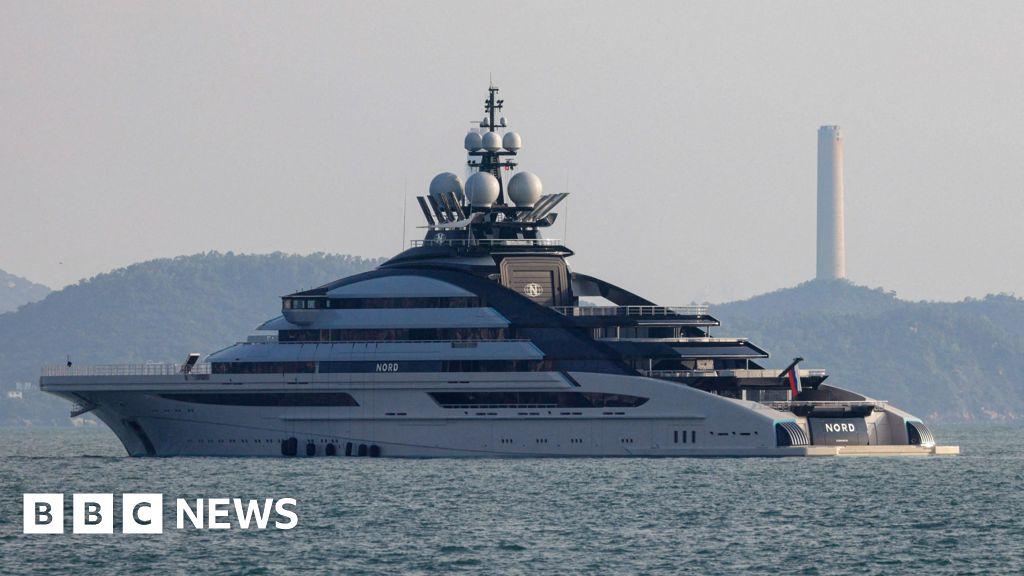
The BBC adds that Mordashov is not listed as the formal owner of the Russian-flagged boat, and it also says Nord was estimated to be worth more than $500m (£370m).
The New York Times similarly says the Nord appears to be tied to Aleksei A. Mordashov, a Russian steel mogul who is under American and European sanctions, and it describes the yacht as a 464-foot vessel.
Reuters and the BBC both discuss the yacht’s transponder and tracking, with Reuters quoting Wiese Bockmann saying the transponder was turned on and with the BBC describing the route shown on the tracker as one used by vessels crossing with agreement from Iran.
The Guardian’s account adds a specific explanation from a source close to Mordashov: it says the yacht crossed the strait on an approved route in compliance with international maritime law and quotes the source saying, “Iran did not interfere with the movement of the yacht, as it is a civilian vessel of a friendly country conducting a peaceful transit.”
Multiple outlets also place the transit in the context of severely restricted traffic since the war with Iran began at the end of February, with Reuters saying traffic through the Strait of Hormuz has been severely restricted since the recent war began at the end of February and with the BBC saying Iran held high-level talks with Russia this week as its standoff with the US over the strait's re-opening continues.
Diplomacy and Enforcement
The yacht’s transit was reported alongside high-level diplomatic contacts between Russia and Iran, with Abbas Araghchi meeting Vladimir Putin in Moscow on Monday to discuss Iran’s war with the United States and Israel.
“- A superyacht linked to a Russian tycoon passed through the Strait of Hormuz this weekend”
Reuters says Iran’s foreign minister, Abbas Araghchi, met with Russia’s president, Vladimir Putin, in Moscow on Monday, and it frames the meeting as part of discussions about Iran’s war with the United States and Israel.
The BBC similarly says Putin hosted an Iranian delegation in St Petersburg on Monday, where Iranian Foreign Minister Abbas Araghchi hailed their “strategic relationship,” and it quotes Araghchi’s post on X: “Recent events have evidenced the depth and strength of our strategic partnership.
The BBC says Iran has severely restricted shipping through the Strait of Hormuz in response to US and Israeli strikes that began on 28 February, and it adds that the US then announced that its forces would intercept or turn back vessels travelling to or from Iran's ports.
The New York Times and Reuters both describe Iran’s position that ships can pass only with the Revolutionary Guards’ permission, and Reuters says the United States has imposed its own blockade in response to Iran’s.
The BBC notes that the Nord route shown by Marine Traffic does not indicate the yacht stopped in Iran, and it adds that the United States Central Command (Centcom) defines the blockade starting point as further east of the vessel's last reported location.
Multiple outlets also emphasize that most shipowners and insurers do not consider the strait safe enough to traverse, with Reuters quoting Wiese Bockmann saying “Most shipowners and insurers do not consider the strait safe enough to traverse.”
How Outlets Differ on Permission
While all the outlets describe Nord’s transit as occurring despite the blockade, they diverge on how the yacht obtained permission and what role Iran or the United States played.
Reuters reports that Wiese Bockmann said it appeared likely that Iran had let the yacht through and that the yacht sailed close to Larak, an Iranian island, using a route that Iran has established for vessels that it is allowing to pass.

The BBC says it is not clear whether Nord gained permission from Iran to sail through the route, even as it notes that the route shown by the tracker has been used by vessels crossing with agreement from Iran.
The Guardian, by contrast, quotes a source close to Mordashov saying the yacht was able to transit after undergoing maintenance in Dubai because neither Iran nor the US objected, and it adds that the yacht crossed the strait on an approved route in compliance with international maritime law.
The Guardian’s source also asserts that “Iran did not interfere with the movement of the yacht” and that “The American side also raised no questions regarding the yacht’s movement,” while Reuters focuses on the permission requirement and the transponder being turned on.
The New York Times similarly says Wiese Bockmann believed it appeared likely that Iran had let the yacht through and quotes her on Iran’s permission requirement: “The I.R.G.C. has stated all vessels transiting need permission — Nord would have been the same as others.”
Another outlet, SMH.au, says it is not clear how the multi-deck pleasure vessel gained permission to use the route, and it adds that a representative of steel magnate Mordashov declined to comment on Monday.
Value, Features, and Next Questions
The reporting also details Nord’s scale, amenities, and estimated value, while situating the transit within broader sanctions and enforcement gaps that different outlets describe.
“A luxury superyacht linked to a sanctioned Russian billionaire passed through the Strait of Hormuz despite an ongoing blockade, underscoring inconsistencies in maritime restrictions during the Iran conflict”
Reuters says the Nord has six decks, a 25-metre swimming pool, two helipads and a hangar that converts into a squash court, and it says its final destination is Port Victoria in the Seychelles, according to VesselFinder.com.

The BBC says Nord is estimated to be worth more than $500m (£370m) and describes features including a swimming pool, a submarine and helipad, citing a profile in Superyacht Times.
SMH.au similarly says Nord is a 142-metre yacht worth over $US500 million ($697 million) and reports that it left a Dubai marina at around 1400 GMT on Friday, crossed the strait on Saturday morning and arrived in Muscat early on Sunday.
Beyond the yacht itself, the stakes are framed through the importance of the Strait of Hormuz to global energy flows and through the sanctions environment around Mordashov.
Reuters says the strait normally carries “a fifth of the world’s oil and much of its natural gas,” and it adds that traffic has been severely restricted since the war began at the end of February.
The BBC says approximately one-fifth of global crude oil and LNG supplies normally pass through the waterway and that maritime traffic through the Gulf channel is currently at a fraction of pre-war levels.
More on Russia

Beran A Pleads Guilty to Plotting Taylor Swift Concert Attack in Vienna
21 sources compared
Nord Superyacht Linked to Alexey Mordashov Sails Through Strait of Hormuz Blockade
10 sources compared

Mali Defense Minister Gen. Sadio Camara Killed in Suicide Car Bomb Attack Near Bamako
56 sources compared

Russia Suspends Kazakh Oil Transit to Germany via Druzhba Pipeline Starting May 1
13 sources compared