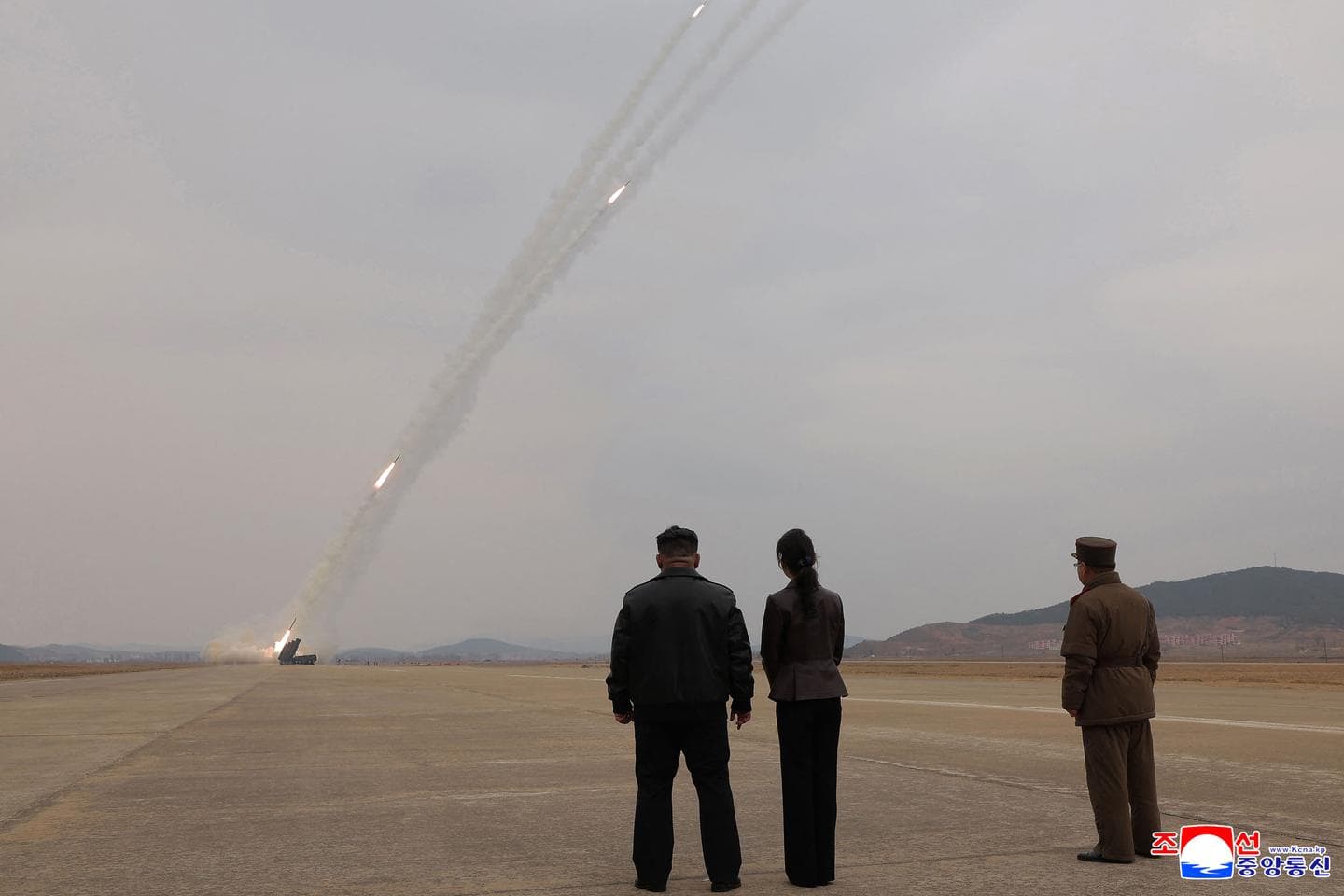
North Korea Tests Nuclear-Capable MRLS; Kim Jong Un Oversees Test
Key Takeaways
- Kim Jong Un oversaw the test of twelve 600mm caliber MRLS and two artillery companies.
- Tests followed Seoul's detection of around ten ballistic missiles.
- Took place during ongoing US-South Korea spring drills.
MRLS Test Overview
North Korea conducted a significant test of its nuclear-capable multiple rocket launcher system (MRLS), demonstrating advanced military capabilities with precision and range.
“North Korean leader Kim Jong-un supervised, on Saturday, March 14, a test that 'mobilized twelve high-precision 600 mm caliber multiple rocket launchers and two artillery companies,' the official North Korean news agency KCNA said on Sunday, describing the equipment as 'state-of-the-art”
The test involved twelve 600mm-calibre ultra-precision multiple rocket launchers that successfully struck targets 364.4 km away in the East Sea with 100% accuracy, according to state media KCNA.
The 400-420 km range of the system encompasses the entire South Korean territory, giving Pyongyang's enemies 'a sense of uneasiness' as described by Kim Jong Un.
The test represents a major advancement in North Korea's nuclear arsenal, with the system specifically designed for tactical nuclear weapons delivery and concentration strikes.
Kim's Direct Oversight
Kim Jong Un personally oversaw the MRLS test on Saturday, highlighting his direct involvement in the development of North Korea's nuclear capabilities.
During the test, Kim praised the MLRS as a 'very deadly yet attractive weapon' and emphasized its effectiveness in providing enemies within striking range with 'a deep understanding of the destructive power of tactical nuclear weapon.'

The North Korean leader was accompanied by his daughter Ju Ae, who has been increasingly visible in recent months and is widely viewed as a possible successor.
Kim's personal attention to this test underscores the strategic importance North Korea places on demonstrating its nuclear deterrent capabilities and precision strike systems.
International Condemnation
South Korea immediately condemned the launches as a 'provocation that violates United Nations Security Council resolutions' and urged Pyongyang to immediately stop such acts.
“The test comes just days after South Korean and US forces kicked off their springtime military drills”
South Korea's Joint Chiefs of Staff (JCS) confirmed detecting multiple launches from the North into the East Sea, while the presidential Blue House issued a strong statement against the provocative nature of the test.
The condemnation reflects the ongoing tensions between the two Koreas and the international community's concerns about North Korea's advancing military capabilities, particularly its nuclear and missile programs that continue to violate existing UN resolutions.
Strategic Timing
The MRLS test occurred at a strategically significant time, coming hours after South Korean Prime Minister Kim Min-seok stated that US President Donald Trump believes a meeting with Pyongyang's Kim would be 'good.'
The test timing coincided with the start of major US-South Korean spring military drills dubbed 'Freedom Shield,' involving about 18,000 Korean troops and scheduled to run until March 19.

After largely ignoring Trump's diplomatic overtures in recent months, North Korea's Kim recently indicated that the two countries could 'get along' if Washington accepted Pyongyang's nuclear status, creating a complex diplomatic backdrop for these military demonstrations.
Global Context
North Korea framed the test within broader global security concerns, with Kim Yo Jong warning that ongoing US-South Korean military drills 'may cause unimaginably terrible consequences.'
“The 400-km range of North Korea's multiple rocket launcher system would encompass the entire South North Korea conducted a test of its "state of the art", nuclear-capable multiple rocket launcher system (MRLS), state media reported Sunday, a day after Seoul identified the launch of around 10 ballistic missiles”
She emphasized that the exercises were taking place 'at a critical time when global security structure is collapsing rapidly and wars break out in different parts of the world.'
Pyongyang has also condemned the US-Israeli attack on Iran as an 'illegal act of aggression,' claiming it demonstrates the United States' 'rogue' nature.
These statements suggest North Korea is positioning itself as a responsible actor in a deteriorating global security environment while simultaneously advancing its own military capabilities, including recent naval missile tests from the Choe Hyon destroyer as part of efforts to 'arm the Navy with nuclear weapons.'
Military Significance
The MRLS test represents a significant milestone in North Korea's military development, demonstrating its advancing capabilities in precision strike systems and tactical nuclear weapons delivery.
Unlike traditional ballistic missiles, multiple rocket launchers offer faster deployment and saturation attack capabilities, making them particularly effective for tactical nuclear scenarios.
The test also highlights North Korea's commitment to developing a comprehensive nuclear deterrent that includes land, sea, and air components, as evidenced by recent naval missile tests.
This military advancement comes amid continued diplomatic tensions and North Korea's insistence that its nuclear status be recognized as a precondition for any meaningful engagement with the United States and its allies.
More on North Korea

North Korea Fires Ballistic Missiles During US-South Korea Drills
20 sources compared
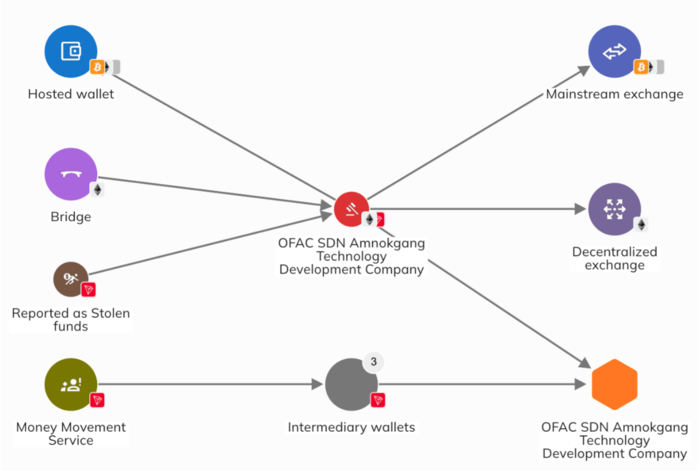
U.S. Treasury Freezes Crypto Network Feeding Nearly $800 Million To North Korea's Weapons Programs
10 sources compared
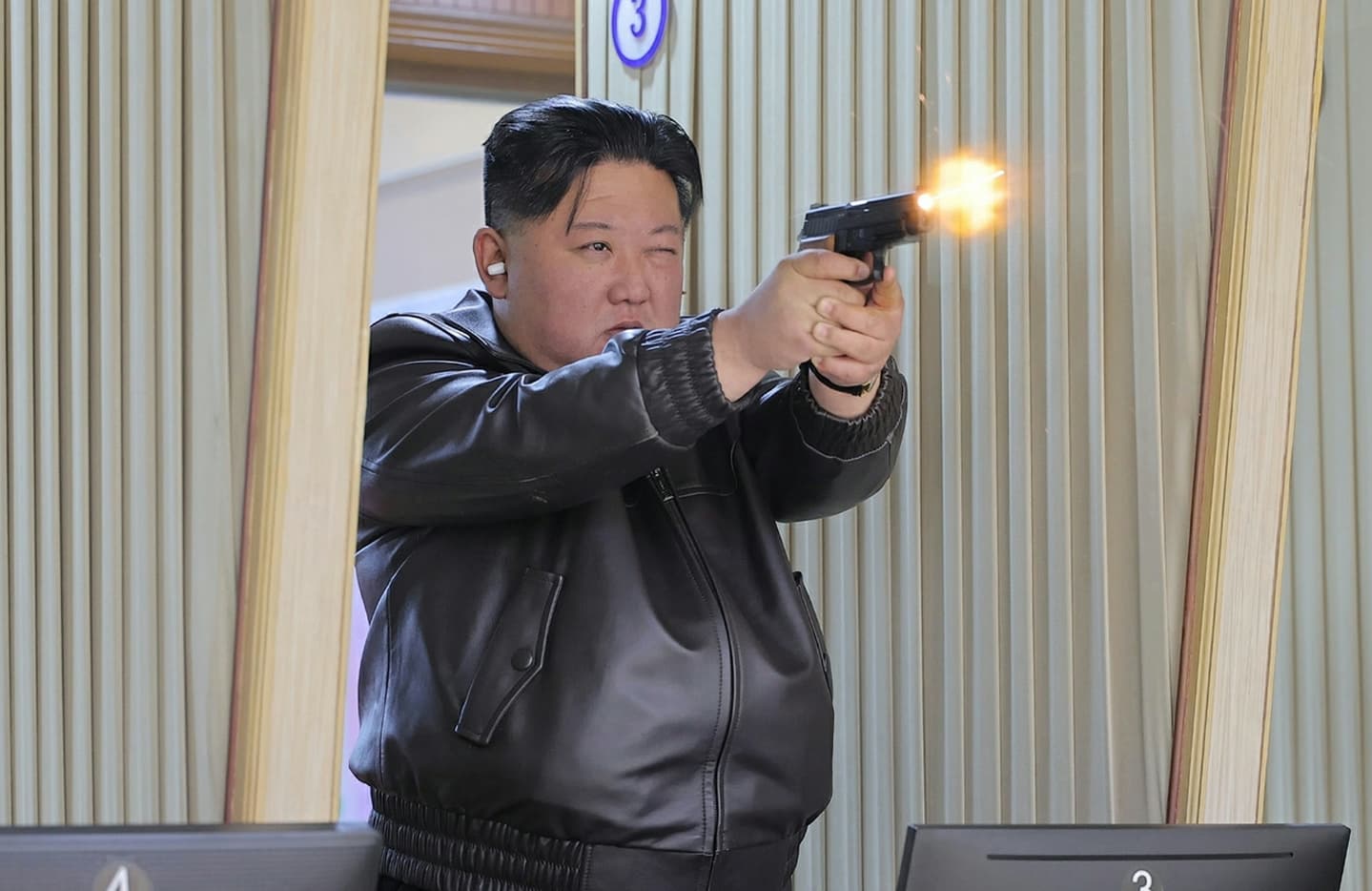
North Korean leader Kim Jong Un grooms daughter Ju Ae firing pistols at munitions factory
12 sources compared

Kim Jong Un Arms Inner Circle With Sniper Rifles After Party Congress
17 sources compared