
Northern Ireland Becomes First UK Region to Mandate Paid Miscarriage Leave
Key Takeaways
- Northern Ireland mandates two weeks of paid miscarriage leave.
- First UK region to implement this policy.
- Outlets describe NI's measure as a landmark policy.
Historic Leave Mandate
Northern Ireland has become the first UK region to mandate two weeks of paid miscarriage leave for women and their partners.
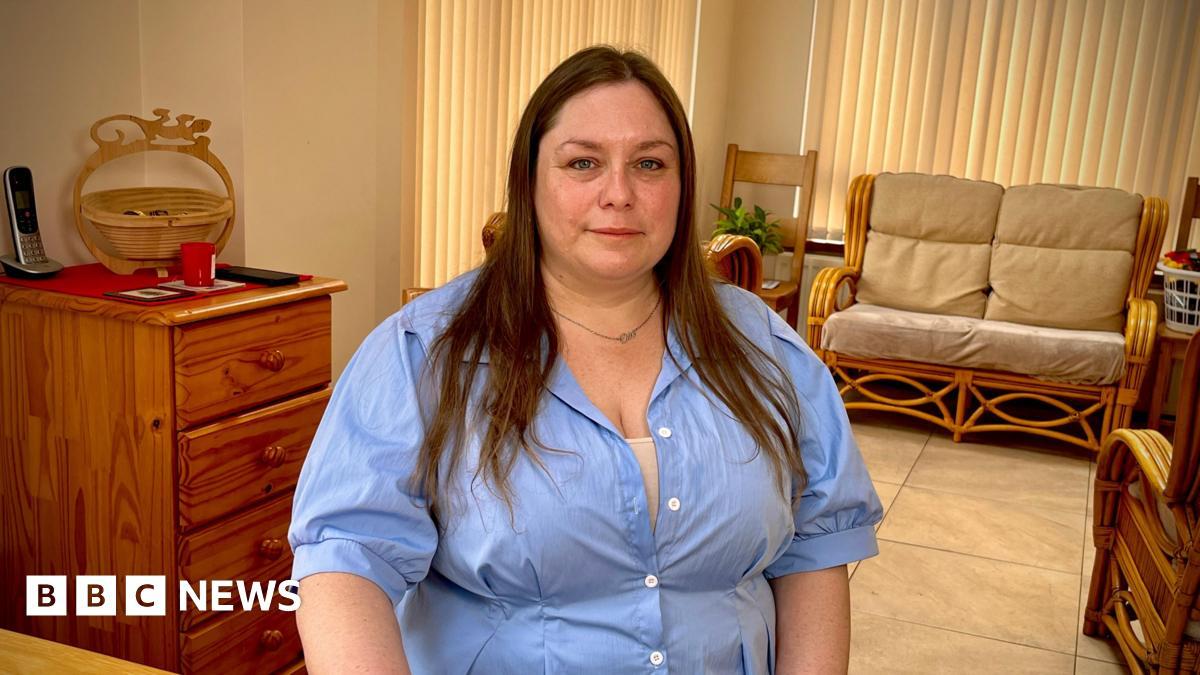
“- Published When Erin Sharkey had miscarriages, they brought devastation and uncertainty - not least when it came to her and her partner deciding how much time they should take off work to help to process their loss”
The leave is paid at the statutory rate of approximately £194 per week or 90% of weekly pay if lower.
Parents are not required to provide medical certificates, only inform their employer of the loss.
This shift is a rare institutional acknowledgment of grief often silenced in the workplace.
Personal Stories of Impact
Erin Sharkey said the leave will give people validation for their feelings and time to process loss together.
Her partner didn't take a day off work because others hadn't.

Karina Campbell shared how she continued answering work emails while grieving.
These stories underscore how miscarriage leave can transform workplace cultures.
Removing Barriers to Grieving
The removal of medical certification requirements is a significant departure from traditional sick leave.
“Streamline delivers efficient, clear, and reliable news content”
One woman said she was forced to take sick leave when she wasn’t sick.
The policy recognizes that grief does not follow a linear path.
Northern Ireland is reframing pregnancy loss as a bereavement issue.
More on Technology and Science

Artemis II Astronauts Set Record, Become Furthest Humans from Earth
37 sources compared

Artemis II Conquers Lunar Distance With Record-Breaking 10-Day Mission
20 sources compared

Artemis II Sets Distance Record, Observes Unseen Lunar Surface for Seven Hours
38 sources compared

Artemis II Mission Illuminates Deep Space Human Challenges
20 sources compared