NTSB Blocks Docket After Internet Sleuths Reconstruct UPS Flight 2976 Cockpit Audio
Key Takeaways
- Internet sleuths attempted to reconstruct cockpit voice audio from the fatal cargo crash.
- NTSB suspended public access to the accident docket over reconstruction attempts.
- Public release of cockpit voice audio is restricted; docket access is blocked.
NTSB blocks reconstructed audio
The US National Transportation Safety Board (NTSB) blocked access to a public docket system after it discovered internet sleuths were attempting to reconstruct cockpit voice audio from the fatal crash of a UPS aircraft at Louisville Muhammad Ali International Airport last November.
“Pilots’ voices from the last seconds of a fatal cargo plane crash have been re-created by Internet sleuths using software and AI tools”
NTSB Chairwoman Jennifer Hommendy called the developments “deeply troubling” and implored social media companies to remove posts containing reconstructed cockpit voice recorder audio.
The NTSB said it is legally barred from releasing recordings from cockpit voice recorders because of the “highly sensitive” nature of cockpit communications, even though it makes data freely available as part of its investigation process.
The NTSB stated that advances in image recognition and computational methods enabled individuals to reconstruct approximations of cockpit voice recorder audio from sound spectrum imagery released as part of NTSB investigations, including the ongoing investigation of UPS flight 2976 in Louisville, Kentucky.
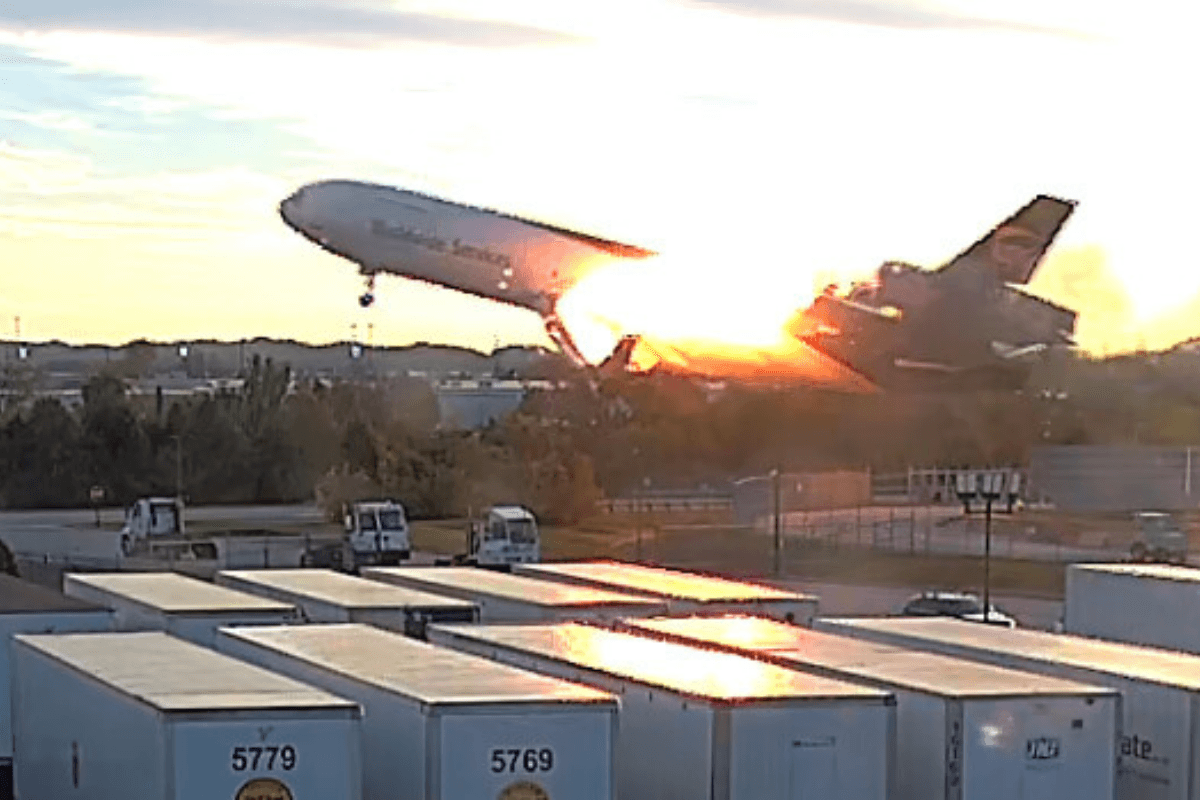
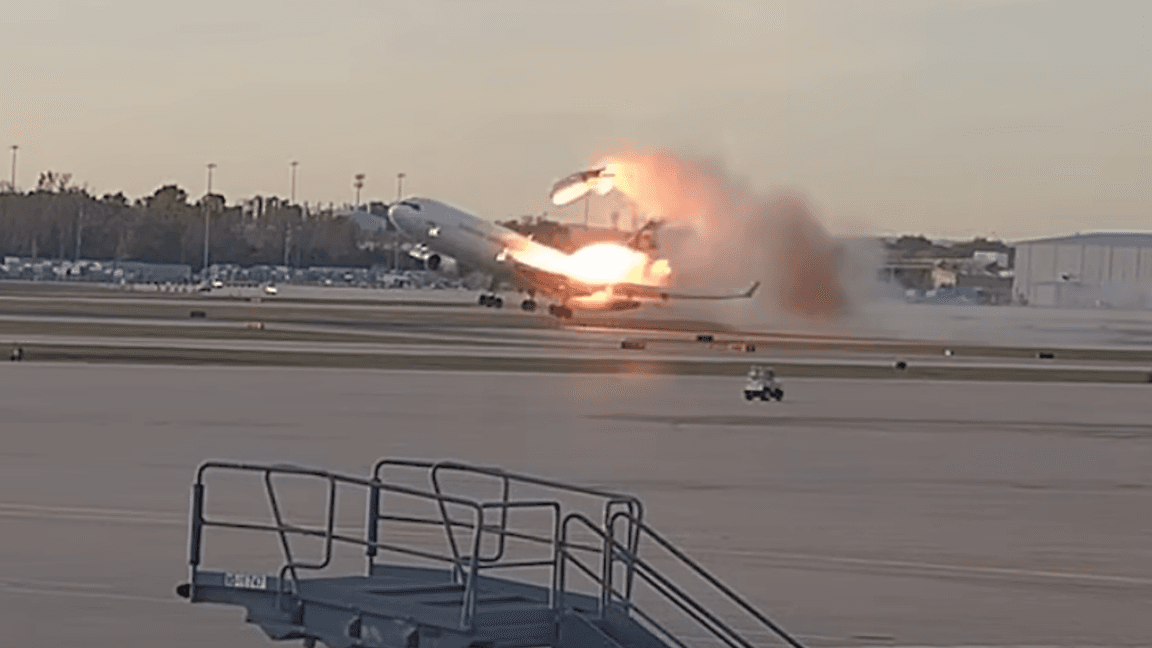
The UPS crash occurred on November 4, 2025, when an MD-11 freighter plane taking off from Louisville Muhammad Ali International Airport at around 5:14 pm bound for Honolulu, Hawaii burst into flames after the left engine and pylon assembly separated from the wing.
What the sleuths used
The NTSB said amateur investigators used technology to analyze the sound spectrum imagery released by the NTSB and reconstruct approximations of cockpit voice recorder audio.
PYOK described how the visual spectrograms released by the NTSB essentially show frequency content that can be used to identify engine sounds, warning tones, mechanical signatures, and impact events.
Ars Technica reported that the NTSB announced on May 21 that the online docket system was “temporarily unavailable” as it reviewed the publicly available materials that had enabled people to re-create cockpit audio recordings.
The NTSB told the public that “The NTSB docket system is temporarily unavailable as we examine the scope of the issue and evaluate solutions,” and it said it was unable to say when the docket system might come back online.
In the crash itself, all three pilots on board the UPS aircraft and 11 people on the ground were killed, and a further 23 people were injured.
Law, privacy, and next steps
The NTSB emphasized that it “does not release cockpit audio recordings,” and it said federal law prohibits such public release due to the highly sensitive nature of verbal communications inside the cockpit.
“The National Transportation Safety Board (NTSB), the independent federal agency that carries out investigations into serious airplane crashes, has blocked access to a public docket system after it discovered that internet sleuths have been attempting to reconstruct the cockpit voice audio from the fatal crash of a UPS aircraft at Louisville Muhammad Ali International Airport last November”
Ars Technica connected the restriction to a federal law enacted in 1990 that prohibits the NTSB from publicly sharing any part of a cockpit voice or video recorder to protect the privacy of air crews.
That law followed airline pilots’ pushback over the controversial TV station airing of a cockpit conversation relating to the August 1988 crash of Delta Air Lines Flight 1141 at Dallas-Fort Worth International Airport.
The NTSB’s statement also said it was aware that individuals could reconstruct approximations of cockpit voice recorder audio from sound spectrum imagery released as part of NTSB investigations, including the ongoing investigation of the crash last year of UPS flight 2976 in Louisville, Kentucky.
With the docket system suspended, the NTSB held an investigative hearing into the crash earlier this week, while a final report into the accident is still some way off.
More on Technology and Science

12-Year-Old Fabiana Blanco Rescued After 32 Hours Trapped Under Venezuela Earthquake Rubble
22 sources compared
Wildfire Forces 10,000 Evacuations in Southern France Near Spanish Border
13 sources compared
Storm Winds Topple Statue of Liberty Replica in Guaíba, Brazil
10 sources compared
Wildfire Forces Evacuation Of 10,000 People In Southwestern France Near Perpignan
13 sources compared