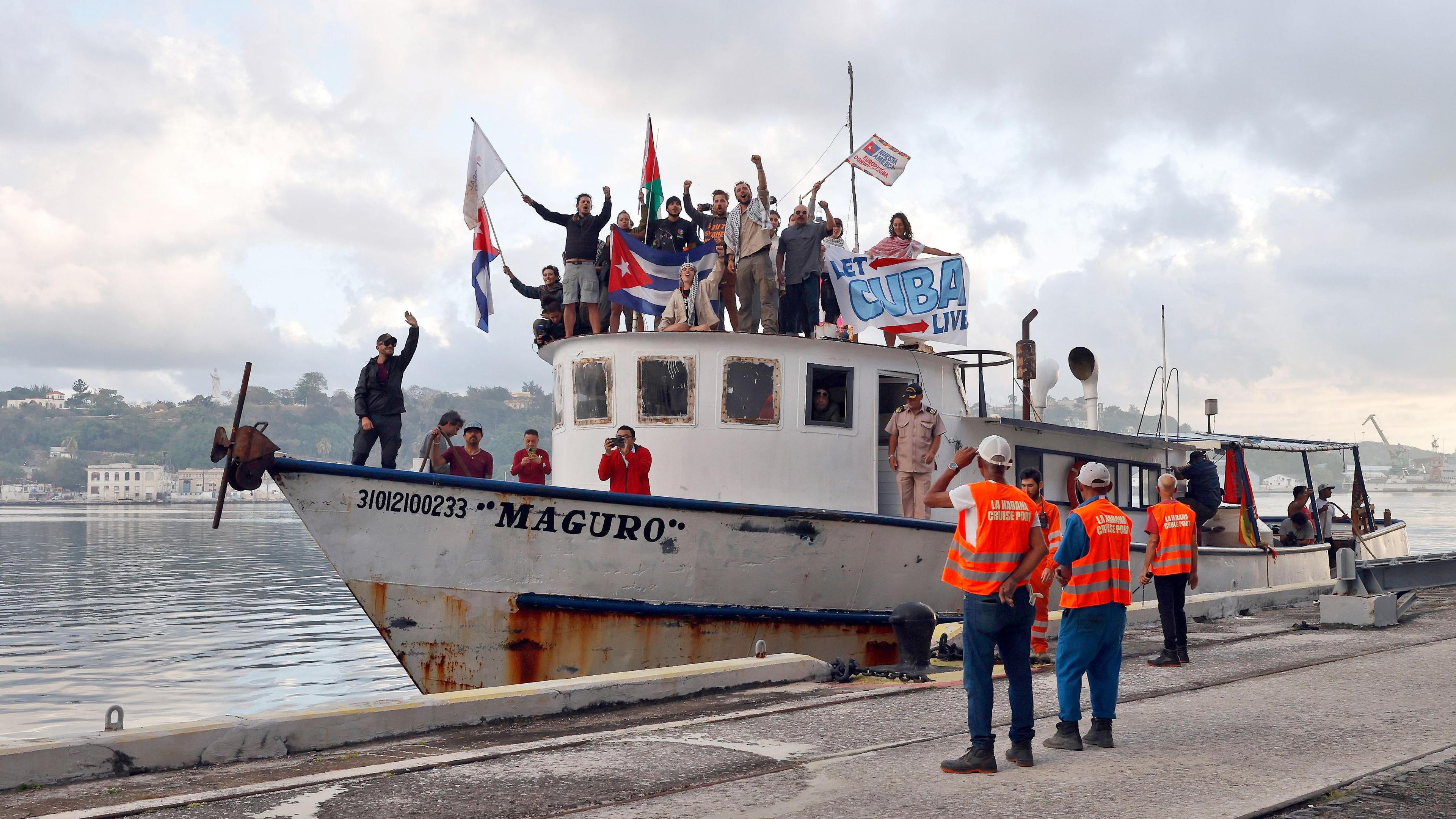
Nuestra América flotilla delivers humanitarian aid to Cuba amid US blockade
Key Takeaways
- First ship Maguro, renamed Granma 2.0, arrived in Havana with Mexican aid.
- Flotilla delivered medical supplies, food, and solar panels amid U.S. oil blockade and energy crisis.
- Activists aim to show solidarity with the Cuban people amid the energy crisis.
Flotilla Arrival
The first boat of a flotilla carrying medical supplies, food and solar panels reached Cuba on Tuesday to aid the island as a US fuel blockade deepens its energy crisis.
“BREAKING Trump again says talks with Iran under wayUS-Israeli attacks on Iran kill 12 in south Tehran, 28 woundedOne killed, 12 wounded in Israel, as Iran and Hezbollah launch new missiles Click to pause breaking news tickerpause-square-backgroundClose Breaking News Tickerclose Toggle Play Aid flotilla reaches Cuba amid US oil blockade and blackouts Read more An aid flotilla has arrived in Cuba as a US-imposed oil blockade drives severe fuel shortages and widespread blackouts”
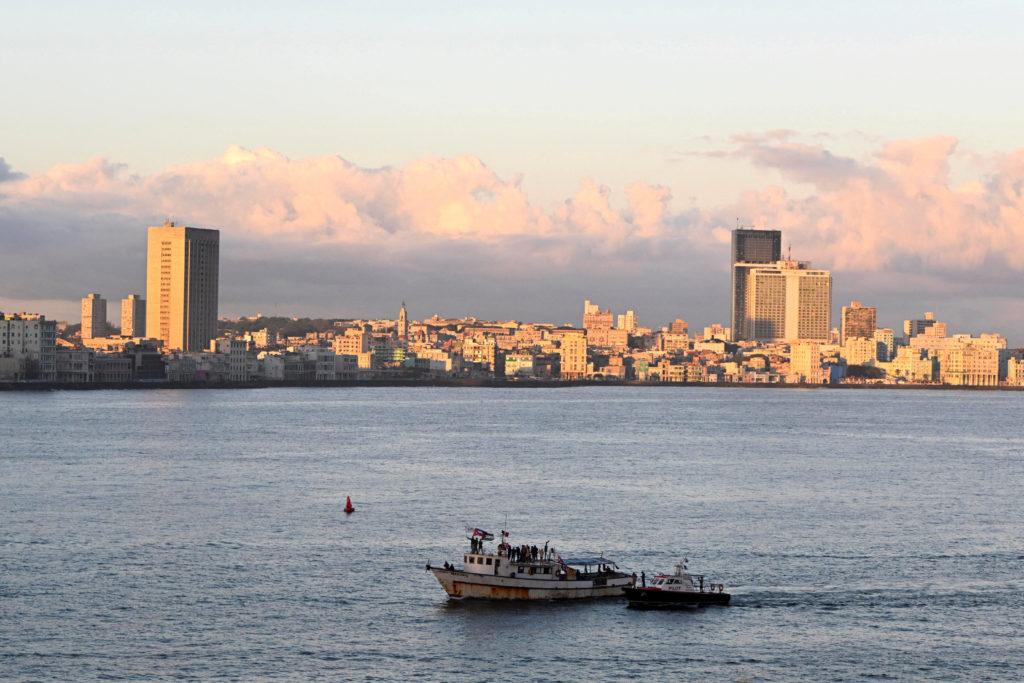
The Maguro shrimp fishing boat, symbolically renamed "Granma 2.0" as a tribute to the yacht used by Fidel Castro's guerrilla fighters in 1956, docked in Havana three days later than hoped after battling strong winds, currents and technical difficulties during its journey from Mexico's Yucatan peninsula.

The international activists aboard, including participants from Australia, Brazil, Ecuador, Italy, Mexico and the United States, stood on the cabin roof holding signs reading "Let Cuba live" as they approached Havana's colonial-era fortification, greeted by dockside crowds chanting "Cuba yes! Blockade no!"
The flotilla is part of a larger mission dubbed "Our America Convoy" aimed at bringing some 50 tonnes of aid to Cuba, with two more ships expected to follow.
Cuban President Miguel Diaz-Canel met members of the convoy and expressed "profound gratitude" for the assistance, which comes amid severe energy shortages and economic hardship facing the island nation.
Crisis Context
Cuba has been experiencing severe energy and economic crises exacerbated by what activists describe as a "de facto US oil blockade" that President Donald Trump launched in January, following the capture of Venezuelan socialist leader Nicolas Maduro by US forces.
The island nation has suffered seven nationwide blackouts since 2024 -- two of them in the past week alone -- due to aging thermoelectric plants and critical oil shortages, leading to soaring fuel prices, scarce public transportation, and accumulating garbage as service vehicles are no longer operating.

Cuban officials have directly blamed Washington for the country's escalating hardship, pointing to both the recent fuel blockade and the decades-old trade embargo as primary causes of the current crisis.
The timing of the aid mission coincides with Trump's threats to impose tariffs against countries that ship oil to Cuba, with the Sea Horse, a Hong Kong-flagged tanker reportedly carrying Russian diesel, ending up in Venezuelan waters instead of Cuba due to these intensified pressures.
The flotilla organizers emphasize that their mission aims to bring "urgently needed aid directly to Cubans" and to demonstrate to the world "the human costs of Trump's siege on Cuba," highlighting how international solidarity can "triumph over forced isolation."
Citizen Perspectives
The arrival of the flotilla has generated mixed reactions among Cuban citizens, with some expressing hope that international solidarity will ease their suffering while others view it as political theater that benefits the communist government more than ordinary people.
“Madrid, March 24 (EUROPA PRESS) - The first ship of the Nuestra América flotilla has arrived in Cuba this Tuesday with aid from Mexico and 32 people on board, coming from a total of 11 countries that have joined the efforts to support the Cuban people as they face a severe energy crisis”
Amado Rodriguez, a 59-year-old driver near Havana Bay, voiced his wish that "everyone would unite, even Cubans abroad, and come and do the same because it is the people who are suffering," highlighting the widespread impact of the economic crisis on daily life.
Brazilian activist Thiago Ávila, who was among the organizers of a previous flotilla that attempted to bring aid to Gaza last year, emphasized the importance of global solidarity against what he described as Trump's "greed," stating, "We cannot allow the world and international law to be buried under the greed of Donald Trump."
Ávila, speaking as he disembarked from the ship, characterized the aid as both "a drop in an ocean of need" and "a gesture of solidarity," acknowledging both the limited nature of the assistance and its symbolic importance.
The flotilla participants, including British parliamentarian Jeremy Corbyn and Colombian senators, represent a diverse international coalition that has shown support for Cuba's government, which frames the aid as evidence that "the revolution is not alone" in facing US pressure.
International Response
The international community has responded to Cuba's crisis with varied approaches, with the 15-nation Caribbean Community (CARICOM) announcing plans to send baby formula, food, medical supplies and solar panels to Cuba via Mexico, demonstrating regional solidarity with the island nation.
Mexico has emerged as a key supporter, having already shipped 3,000 tonnes of aid to Cuba last month with additional shipments planned, reflecting Mexico's role as a crucial intermediary in providing humanitarian assistance despite political tensions.
However, the flotilla has faced criticism from Cuban exiles and other opponents of the communist government, with former political prisoner Luis Zuniga dismissing the effort as "nothing more than a political sideshow" that provides unwarranted political support to Havana.
Zuniga and other critics argue that Cuba's electricity crisis "dates back to long before" Trump's recent measures, suggesting that the Cuban government's economic mismanagement rather than US policy bears primary responsibility for the current situation.
The controversy reflects deeper geopolitical divisions over the causes of Cuba's economic troubles and the appropriate international response, with supporters viewing the aid as necessary humanitarian assistance and critics seeing it as political propaganda that undermines pressure on the Cuban regime to implement democratic reforms.
Historical Context
The "Granma 2.0" flotilla carries significant historical symbolism, named after the yacht that transported Fidel Castro and his revolutionary fighters to Cuba in 1956, marking a pivotal moment in the Cuban Revolution that transformed the island's political trajectory.
“HAVANA (AP) — A ship bringing humanitarian aid to Cuba arrived in Havana on Tuesday loaded with solar panels, bicycles, food and medicine as the island's economic and energy crises deepen”
This symbolic naming connects contemporary international solidarity efforts with Cuba's revolutionary legacy, positioning the current aid mission within a broader historical narrative of resistance against foreign intervention and economic pressure.
The flotilla arrives amid escalating tensions between Washington and Havana, with Trump having recently intensified US pressure on Cuba following the capture of Venezuelan leader Nicolas Maduro, a key regional ally.
Cuban Deputy Foreign Minister Carlos Fernandez de Cossio has responded to Trump's threats by stating that the country was "preparing for possible US military aggression," indicating heightened concerns about potential direct conflict.
Despite these tensions, Cuban officials have emphasized national resilience, with citizens stressing that they will "stand strong despite the challenges and the bad times," reflecting a determination to maintain independence despite external pressures.
The flotilla thus represents not just humanitarian assistance but also a statement of international solidarity against what many view as US economic warfare, highlighting the continuing struggle between Cuba's revolutionary government and US foreign policy objectives.
More on South America

Rubio Testifies as Key Witness in Rivera Foreign-Agent Trial
54 sources compared

Colombia's Air Force Hercules C-130 crashes after takeoff; death toll 34–66.
336 sources compared
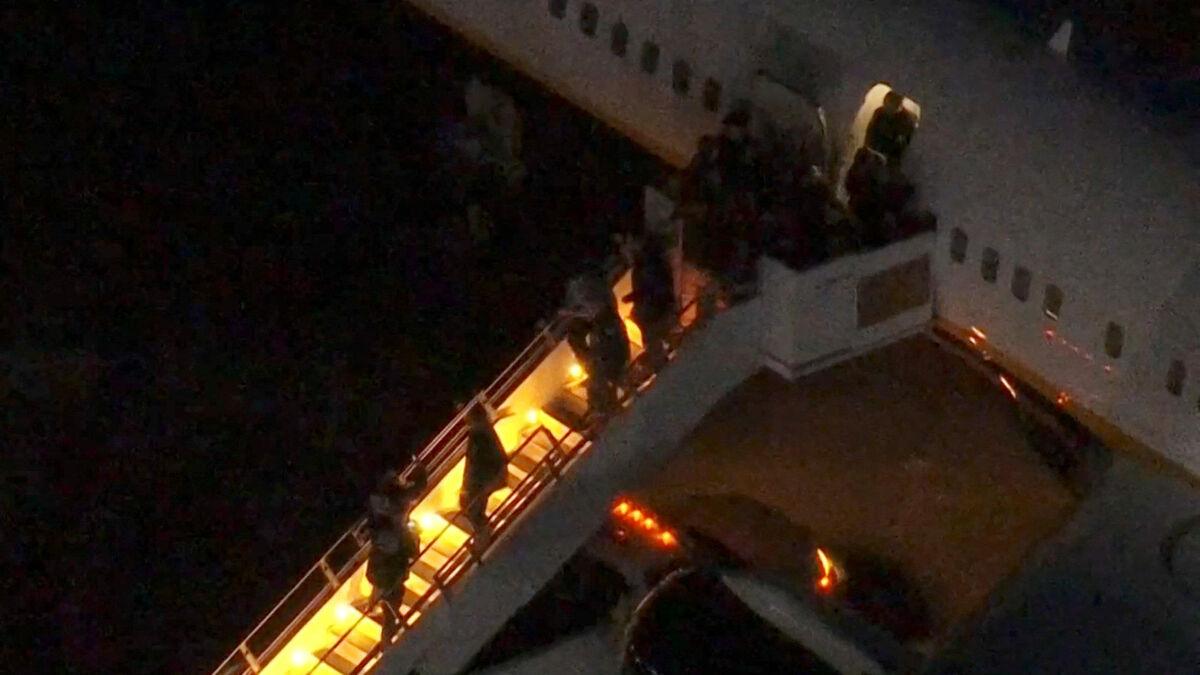
US Captures Nicolás Maduro, Flies Venezuelan President to New York
24 sources compared
Nuevitas thermoelectric plant triggers Cuba's second nationwide blackout in less than a week
30 sources compared