Officials Release U.S.-Iran Deal Text, Sanctions Relief and $300 Billion Fund Set for June 19 Signing
Key Takeaways
- The agreement's core provisions include sanctions relief for Iran and a 60-day ceasefire.
- The framework is a 14-point Memorandum of Understanding.
- The accord allows resumption of bombing if Iran fails to comply.
Interim deal, June 19 signing
Officials shared the text of an interim U.S.-Iran agreement on Wednesday, June 17, with formal signing scheduled for Friday, June 19 in Switzerland, and the framework spells out sanctions relief for Iran alongside the creation of a $300 billion economic development fund.
The deal also ends all related hostilities, including in Lebanon, and initiates the reopening of the Strait of Hormuz within 30 days, with the United States ending its blockade and Iran making efforts to ensure the "safe passage of commercial vessels with no charge."
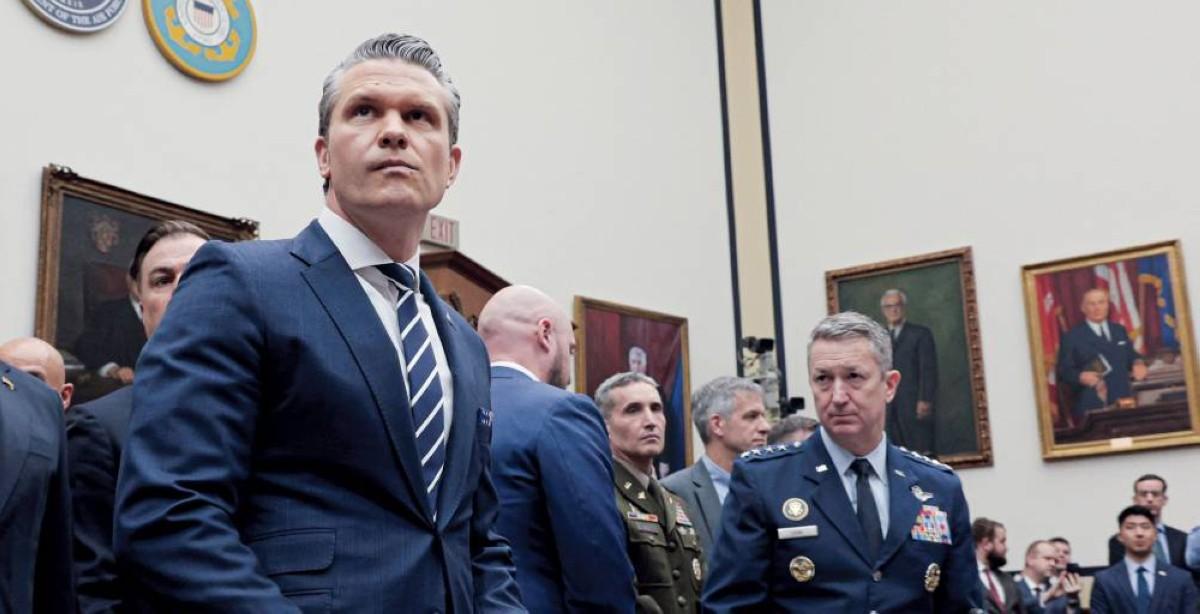
Sen. Bill Cassidy, R-Louisiana, said the pact was the “worst foreign policy blunder in decades,” adding, “Reagan is rolling over in his grave. Iran’s nuclear ambitions were not curbed, and they have learned that threatening the Strait of Hormuz works and will undoubtedly leverage it in the future.”
Sen. Adam Schiff, D-California, called the deal a “thorough capitulation,” saying on X that “Iran gets sanctions relief, the release of frozen funds, the ability to export oil, and a $300 billion reconstruction fund.”
Bombing threats and G7 setting
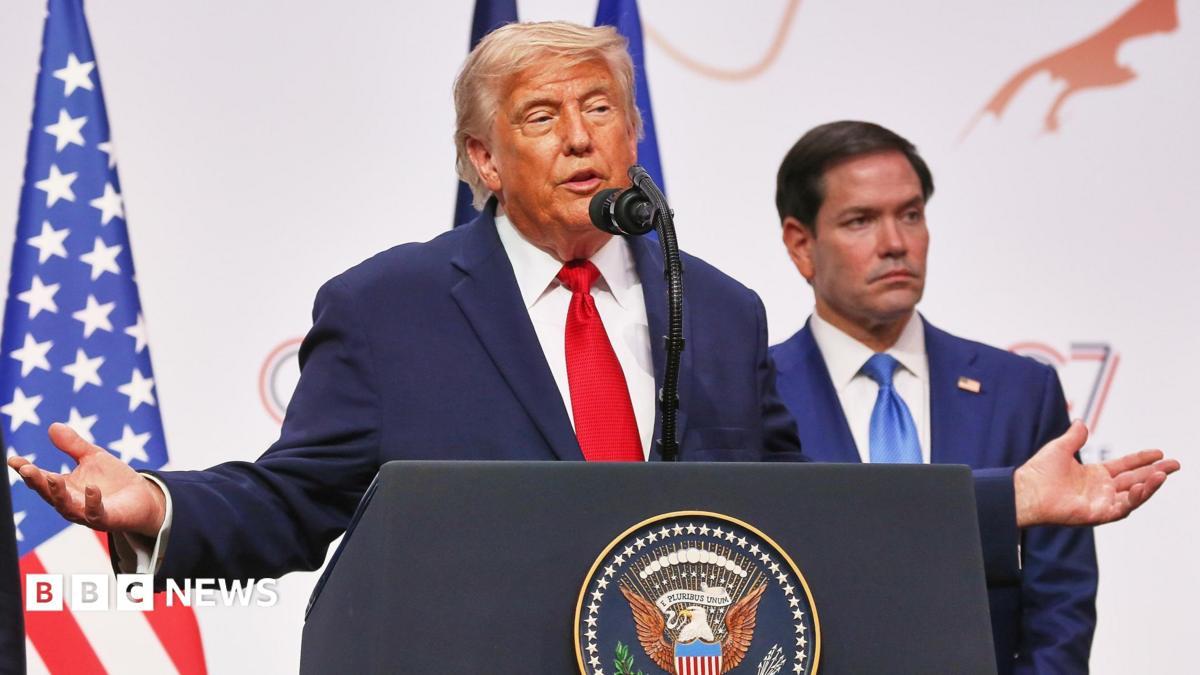
At the G7 summit in France, President Donald Trump warned the memorandum of understanding was “not final,” and said, “If I don’t like it we’ll go back to shooting at them, dropping bombs on their head.”
The BBC reported that the 14-paragraph agreement declares the "immediate and permanent termination of military operations on all fronts, including in Lebanon" while also committing the U.S. and Iran to negotiate a final deal within 60 days, extendable with mutual consent.
In response to Trump’s warning, Iran’s parliamentary speaker and key negotiator Mohammad Bagher Ghalibaf told state media his distrust of the U.S. remained, saying Iran’s "finger is on the trigger".
CNN reported that a U.S. official involved in the talks said, “The consensus of the team was we want to get this thing over with,” while another official urged people not to “read too much into the language of the MOU,” calling it a “political document.”
Nuclear policing and sanctions stakes
The Guardian said senior officials were emphatic that sanctions removal is tied to nuclear performance, and that Iran committed to destroying its enriched uranium stockpile at minimum through down-blending under IAEA supervision.
The Guardian also reported that the strait of Hormuz is set to reopen for toll-free commercial passage within 30 days, and that Iran had already stopped firing on vessels in the strait the day before the signing call, the first such pause in 100 days of conflict.
G7 leaders backed the tentative agreement, with the French president Emmanuel Macron calling it a “very good deal,” while the BBC said Trump warned the U.S. could resume attacks if the agreement doesn’t work out.
In the BBC’s account of Iran’s position, Mohammad Bagher Ghalibaf said even if there is a final peace agreement, “it is still not trustworthy,” adding, “Our finger is on the trigger, and if the enemy does not understand the language of logic, we will enter again with the language of power.”
More on Iran
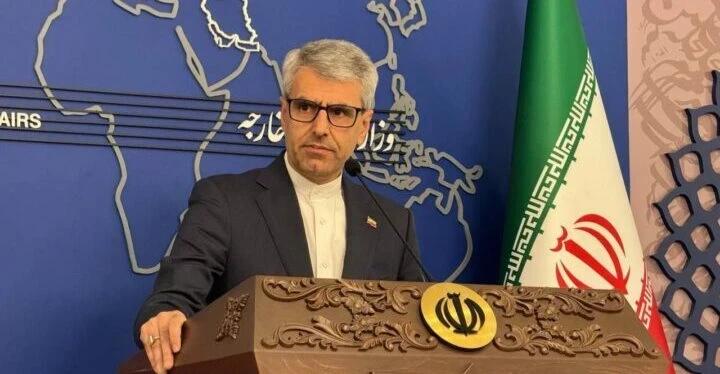
Iran Rejects IAEA Access to Damaged Nuclear Facilities, Deputy FM Kazem Gharibabadi Says
13 sources compared
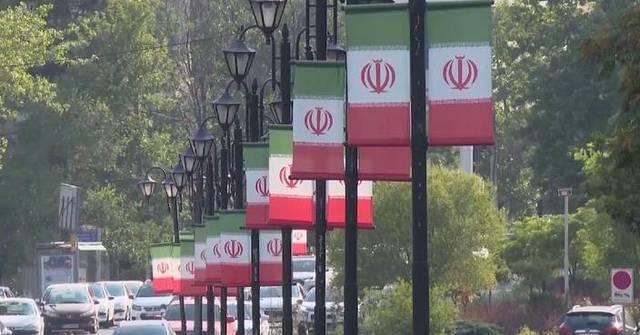
United States And Iran Continue Nuclear Technical Talks In Switzerland, Seek Final Deal
14 sources compared

Iran Rejects IAEA Inspections Until Final U.S.-Iran Deal After Israel Airstrike Kills Two
38 sources compared

Iran Central Bank Governor Abdolnaser Hemmati Rejects Trump Claim Funds Must Buy US Goods
12 sources compared