
Oil falls over 6pc as Trump predicts Middle East de-escalation
Key Takeaways
- Oil prices fell by over 6%.
- Trump predicted de-escalation in the Middle East.
- Trump's prediction coincided with the oil price decline.
Oil price movements
Oil prices fell sharply on Tuesday after hitting their highest levels in more than three years in the prior session, with Brent futures down US$6.51 (HK$50.9), or 6.6 percent, to US$92.45 a barrel at 0018 GMT and US West Texas Intermediate crude down US$6.12, or 6.5 percent, to US$88.65.
“City VoicesTrendingHong KongBusinessInternational More”
Prices had surged past US$100 a barrel on Monday, reaching session highs of US$119.50 for Brent and US$119.48 for WTI, their highest since mid-2022, amid supply cuts and fears of major disruptions to global supplies.
Market reaction to Middle East
The sell-off followed US President Donald Trump predicting in a CBS News interview that the war in the Middle East "could end soon".
US President Donald Trump said he thinks the war against Iran "is very complete" and that Washington was "very far ahead" of his initial four- to five-week estimated timeframe.
Russian President Vladimir Putin held a call with US President Donald Trump and, according to a Kremlin aide, shared proposals aimed at a quick settlement to the Iran war.
Iran's Revolutionary Guards said they would "determine the end of the war" and that Tehran would not allow "one litre of oil" to be exported from the region if US and Israeli attacks continued, state media reported.
The article says those comments did not lift prices.
Drivers of crude volatility
The article says Trump is considering easing oil sanctions on Russia and releasing emergency crude stockpiles as options to curb spiking prices.
“City VoicesTrendingHong KongBusinessInternational More”
IG market analyst Tony Sycamore warned crude could remain highly volatile, trading "within a wide range between US$75ish and US$105ish".
Gulf producers have begun cutting output after the US-Israeli war on Iran disrupted shipping in the region.
Iraq slashed production at its main southern oilfields by 70 percent to 1.3 million barrels per day.
Kuwait Petroleum Corporation began reducing output and declared force majeure.
Saudi Arabia has begun trimming production.
G7 nations said they were prepared to implement "necessary measures" but stopped short of committing to release emergency reserves.
More on Other

Cuban Border Guards Shoot Dead Occupants of Florida-Registered Speedboat; Reports Vary on Death Toll
73 sources compared

Settler Shoots Dead 19-Year-Old Palestinian-American in Mukhmas, West Bank
14 sources compared
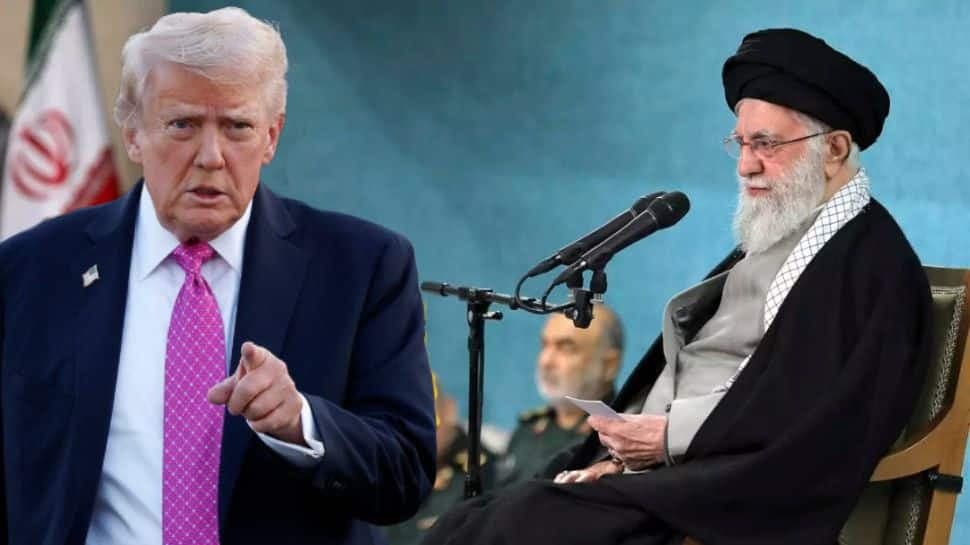
Iran Offers Compromise on Nuclear Deal If US Lifts Sanctions
22 sources compared
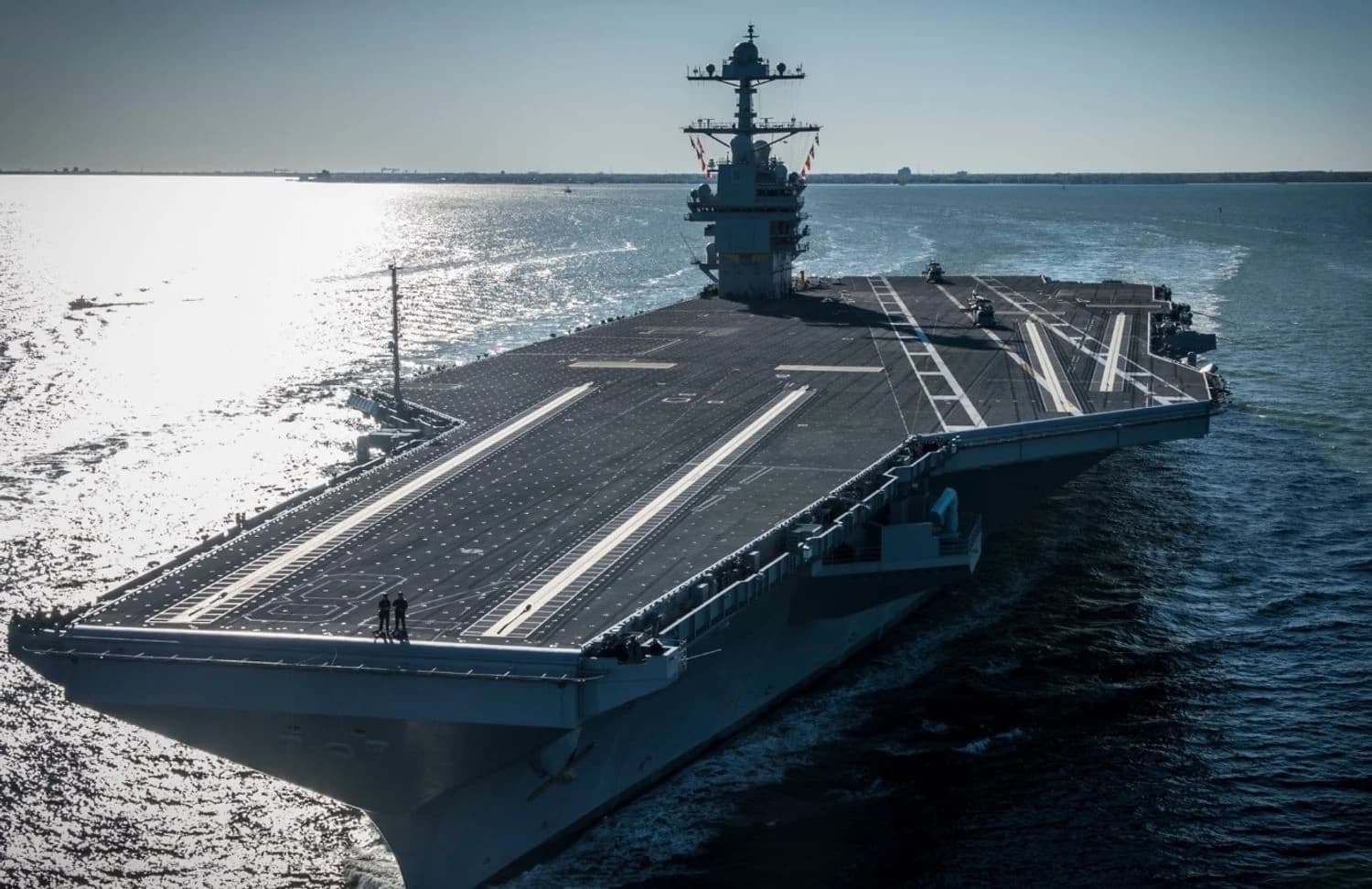
Donald Trump Sends USS Gerald R Ford to Middle East as Tensions With Iran Grow
102 sources compared