
Trump Secures Two-Week Iran Ceasefire as Strait of Hormuz Reopens
Key Takeaways
- Two-week conditional ceasefire between US and Iran enables shipping through the Strait of Hormuz.
- Initial shipping through Hormuz resumed post-ceasefire, with at least two ships crossing.
- Proposals to levy tolls on Hormuz transit emerged, provoking criticism and legal debate.
Ceasefire Agreement
Iran and the US agreed to a conditional two-week ceasefire.
“A second Air Force fighter aircraft has crashed in the Arabian Gulf region”
Shipping traffic will be allowed through the Strait of Hormuz.
Trump posted on Truth Social that he agreed to suspend bombing for two weeks if Tehran reopened the Strait.
Pakistani Prime Minister Shehbaz Sharif announced the ceasefire was effective immediately.
Secret Diplomacy
Supreme Leader Mojtaba Khamenei instructed negotiators to move towards a deal for the first time since the war began.
Trump publicly threatened total annihilation while diplomatic momentum built behind the scenes.

US forces were preparing for a massive bombing campaign even as talks happened.
Gulf Mediation and Military Losses
Pakistan played a central mediation role, while Qatar resisted playing a central leadership role.
The US suffered military setbacks with two fighter jets lost in consecutive days.
Trump threatened a 50% tariff on all goods from France, Germany, and Russia.
More on USA
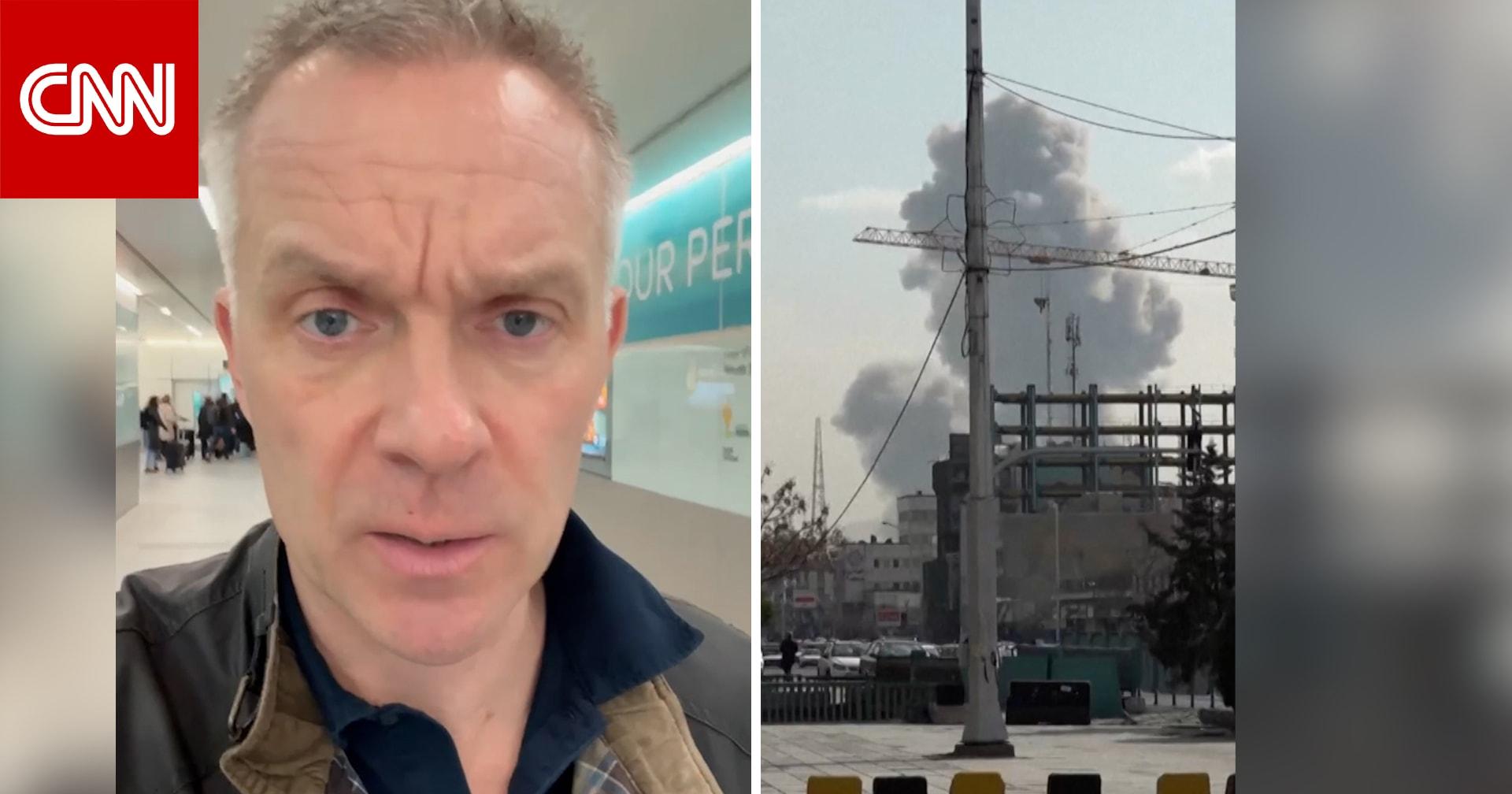
Two-Week US-Iran Ceasefire Unravels Amid Conflicting Claims and Continued Strikes
11 sources compared
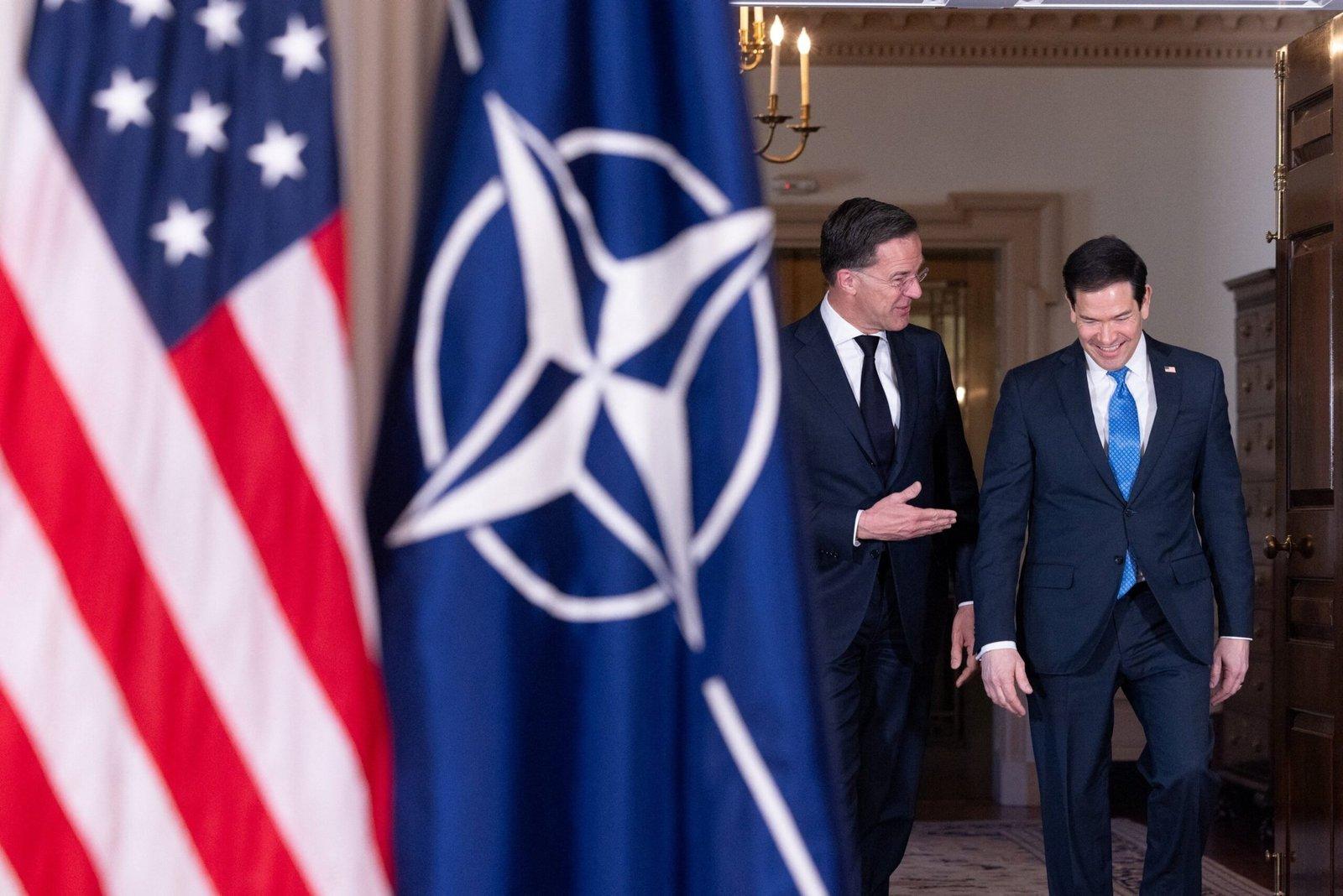
Trump Threatens NATO Withdrawal, Plans Pullout of Troops from Unsupportive Allies
25 sources compared
DOJ Says Pam Bondi Won't Testify on Epstein as Trump Fires Her
12 sources compared
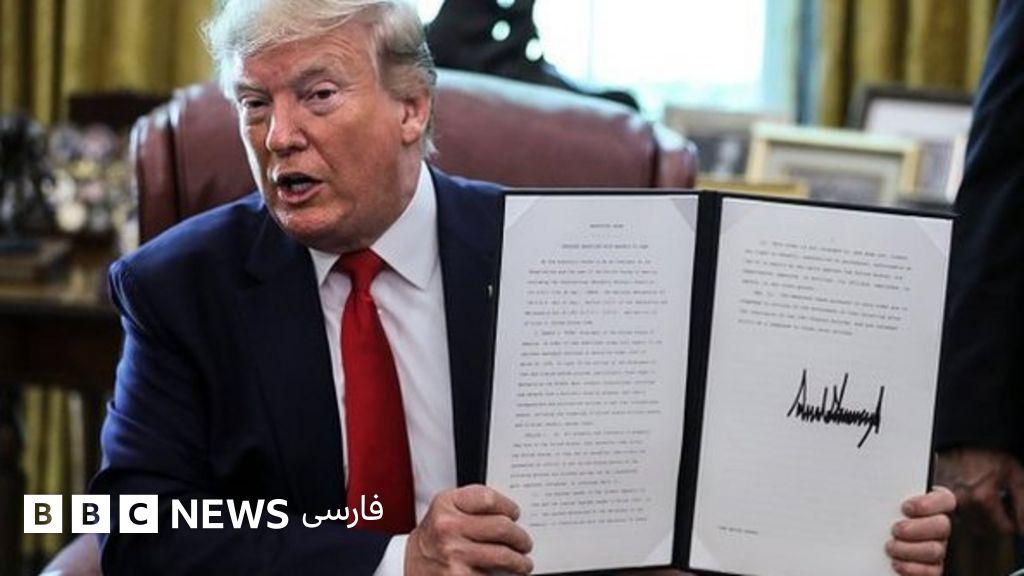
Trump Threatens to Destroy Iranian Civilization, Faces War Crime Accusations
11 sources compared