
OpinionHow US-Israel war on Iran rocks foundations of the Abraham Accords
Key Takeaways
- Abraham Accords normalised relations between Israel and Arab states including UAE and Bahrain.
- They established full diplomatic relations with embassies, direct flights, expanded trade, and people-to-people exchanges.
- The US-Israel war on Iran undermines the Accords' foundations.
Background of Accords
The Abraham Accords, brokered by the United States in 2020, were hailed as a transformative diplomatic breakthrough in the Middle East.
“The 2020 Abraham Accords were heralded as a transformative diplomatic breakthrough in the Middle East”
They normalised relations between Israel and Arab states, including the United Arab Emirates (UAE) and Bahrain, establishing full diplomatic relations, opening embassies, launching direct commercial flights, expanding trade ties, and encouraging people-to-people exchanges.
Accords’ design against conflict
These accords stood out because participating Arab states agreed to normalise ties with Israel without resolving the Israeli-Palestinian conflict—departing from a long-standing Arab League position.
They were expected to yield economic opportunities, technological cooperation, and enhanced security coordination by aligning more closely with Israel and the United States against the perceived regional threat posed by Iran.
The agreements were therefore not simply a means of reconciliation but elements of an emerging regional security architecture built around shared concerns about Iran’s expanding influence.
Current strain and paradox
Yet the latest US-Israel confrontation with Iran and regional escalation that followed has placed that logic under unprecedented strain.
“The 2020 Abraham Accords were heralded as a transformative diplomatic breakthrough in the Middle East”
What was initially envisioned as a framework for regional stability now faces a critical test.
For Arab states, the conflict has revealed a troubling paradox: the very alliances meant to enhance their security may also have increased their vulnerability.
Expansion strategy and implications
The push to expand the Abraham Accords is central to the diplomatic strategy of US President Donald Trump’s second term.
Washington continues to explore the possibility of including more states such as Saudi Arabia, Syria and Lebanon.
From the US’ perspective, the weakening of Iran’s regional posture created an opportunity for a broader Arab-Israeli security alignment.
Expanding the accords would reinforce intelligence sharing, missile-defence coordination and economic integration.
In this interpretation, the confrontation with Iran does not undermine the accords; rather, it reinforces the argument that closer cooperation among US partners is strategically necessary.
More on Iran
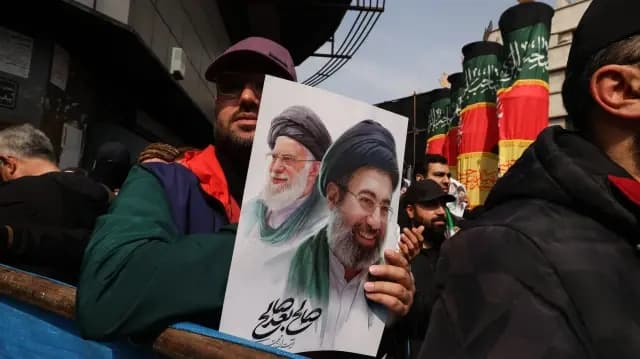
Russia Secretly Airlifts Iran's Supreme Leader Mojtaba Khamenei to Moscow for Surgery
11 sources compared
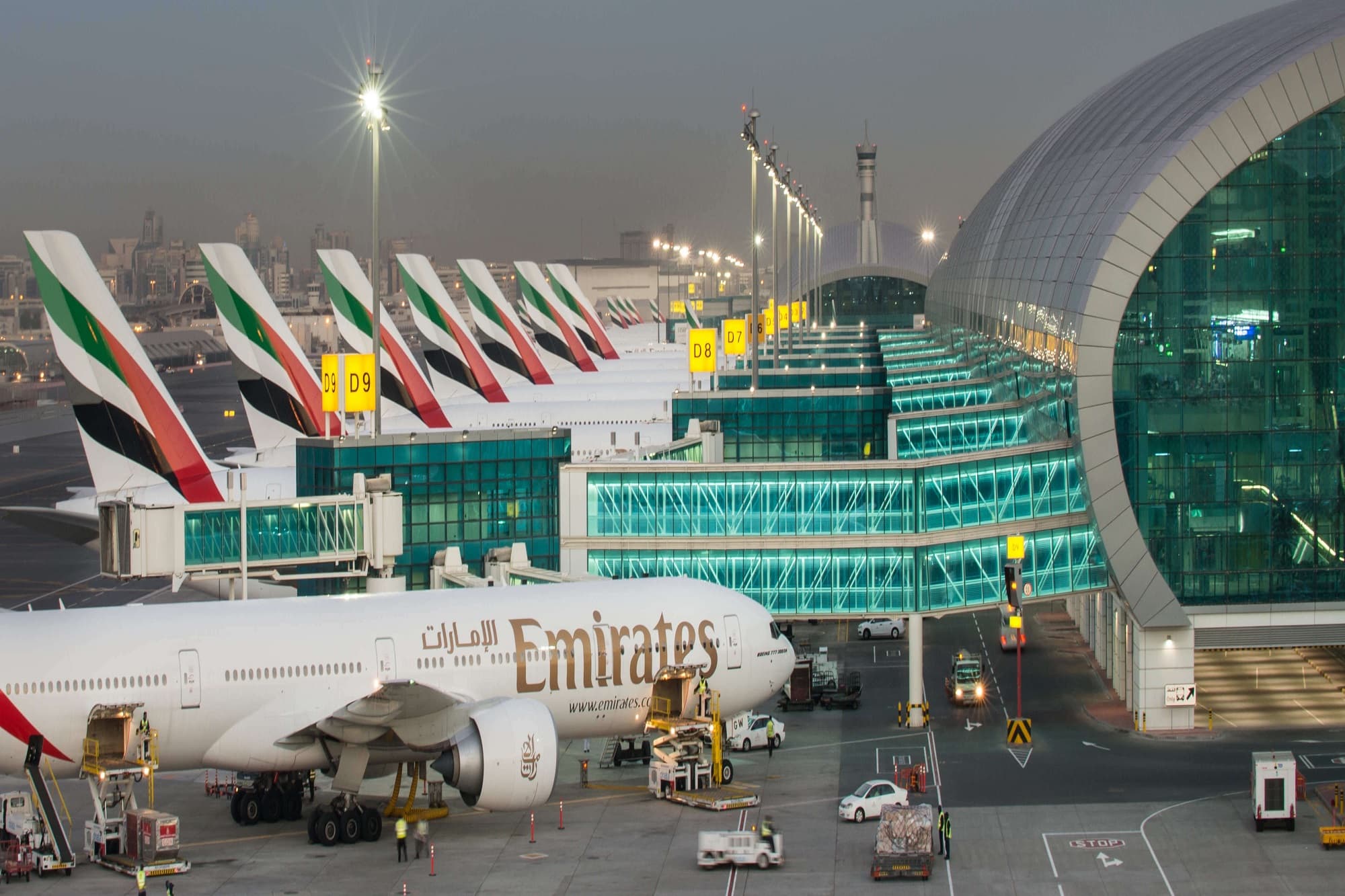
Iranian Drone Strike Shuts Dubai International Airport, Thousands Stranded
25 sources compared

Iran Drone Strike Shuts Dubai International Airport, Triggers Global Travel Disruption
16 sources compared

Iran's New Supreme Leader Mojtaba Khamenei Travels to Moscow for Leg Surgery
15 sources compared