Pakistan17 March, 20263 min read
Pakistan Airstrike Kills Hundreds at Kabul Drug Rehabilitation Center
Afghan authorities say a Pakistani airstrike hit a Kabul drug rehabilitation center, killing about 400. Attack occurred Monday night around 9pm local time, with widespread destruction reported.

Devastating Airstrike
A devastating Pakistan military airstrike struck a drug rehabilitation center in Kabul, Afghanistan on Monday night, March 16, 2026. According to Taliban officials, the attack targeted the Omid Addiction Treatment Hospital, a 2,000-bed facility dedicated to treating drug addiction. The strike resulted in at least 400 deaths and more than 250 injuries according to Afghan authorities.
“A Pakistani airstrike on a crowded drug rehabilitation center in Kabul killed more than 400 people earlier this week, Afghanistan's health ministry said, amid an escalating conflict between countries that neighbor Iran.”
The attack occurred around 9:00 pm local time, just as patients were completing evening prayers after breaking their daily Ramadan fast. Witnesses reported hearing three bombs exploding, with two striking rooms and patient areas. The incident triggered panic throughout the capital as anti-aircraft fire erupted in response.

Conflicting Narratives
The incident has created starkly different narratives between Pakistan and Afghanistan. Islamabad firmly rejects claims that it deliberately targeted a civilian medical facility. Pakistan's Information Minister Attaullah Tarar dismissed the accusations as 'entirely baseless.'
Pakistani authorities insisted that the strikes 'precisely targeted military installations and terrorist support infrastructure.' They specifically claimed they targeted Camp Phoenix, described as a 'military terrorist ammunition and equipment storage site.'
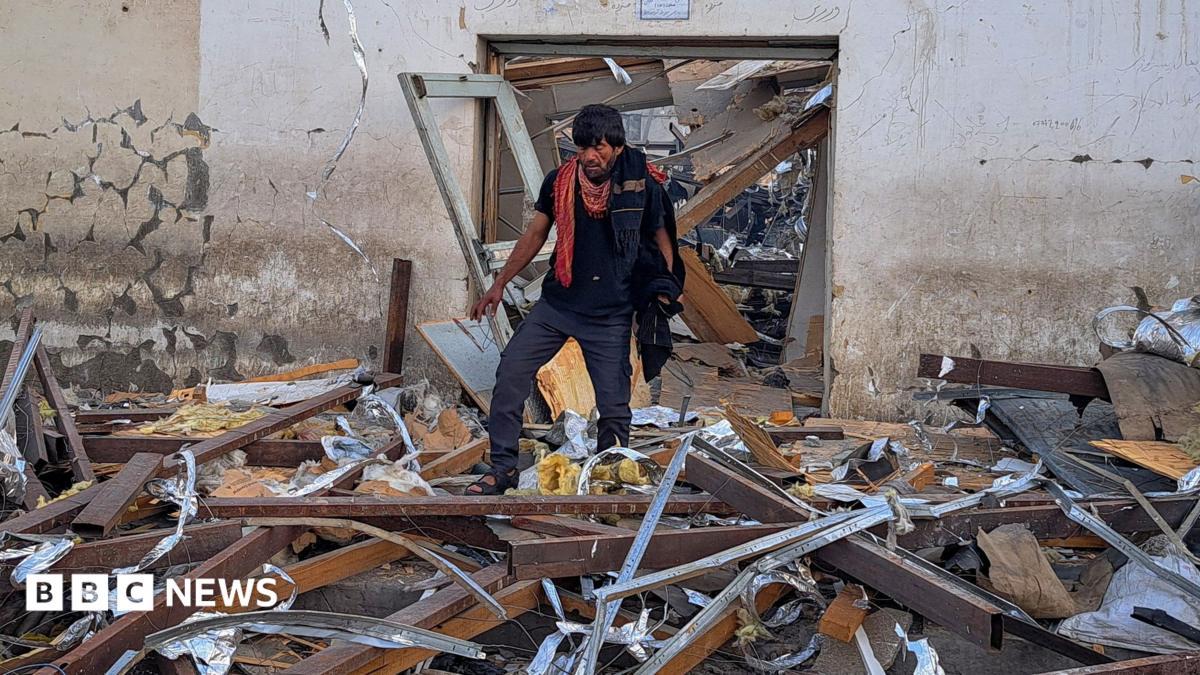
Kabul residents confirmed that the former NATO military base had been converted into the drug rehabilitation center about a decade ago. The conflicting accounts have made independent verification of the casualty figures and target nature extremely difficult.
International Response
The international community has responded with widespread condemnation and urgent calls for investigation. The United Nations Assistance Mission in Afghanistan (UNAMA) expressed 'deepest condolences to the families of those killed.' UN rights office spokesman Thameen Al-Kheetan called for 'a swift, independent investigation into the strike.'
“The United Nation's mission in Afghanistan called for an immediate ceasefire. In a statement, it expressed its 'deepest condolences to the families of those killed' in what it said was 'an airstrike carried out by Pakistan military forces (that) impacted the Omid Addiction Treatment Hospital, a health care facility for the treatment of drug-addicted individuals, dozens of whom were reportedly killed and injured.'”
The European Union condemned the strike as 'a new and deadly escalation in a conflict that needs to end as soon as possible.' China, which had been mediating between the two countries, urged restraint and called for dialogue.
India, Pakistan's arch-foe, condemned the attack as 'a cowardly and unconscionable act of violence.' Former Indian Ambassador to Afghanistan Amar Sinha declared that targeting a medical facility 'cannot be defended on any military grounds.'
Conflict Context
The strike represents a dramatic escalation in a conflict between Pakistan and Afghanistan. Pakistan accuses Afghanistan of providing safe haven for Tehrik-e-Taliban Pakistan (TTP) militants. Islamabad has declared it is engaged in 'open war' with its neighbor.
The Taliban government in Kabul strongly rejects these accusations. The conflict had previously subsided after mediation efforts by Qatar in October 2025.
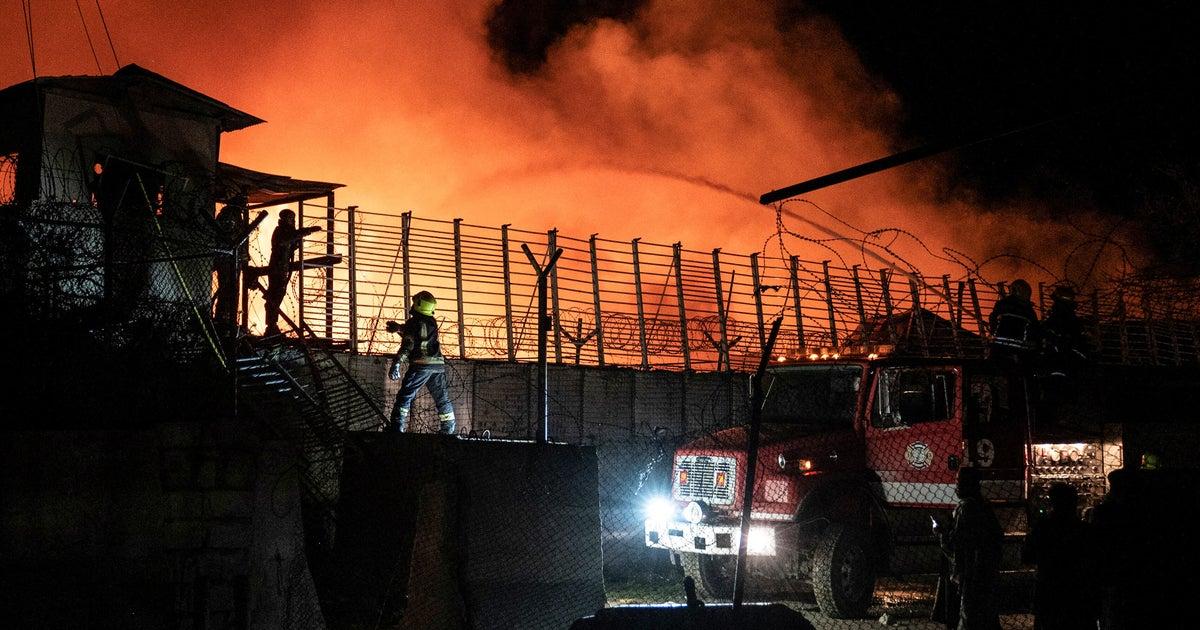
It resumed with increased intensity in February 2026 despite ongoing mediation efforts by China. This latest incident occurred just days before the Eid al-Fitr festival, heightening tensions during a sensitive religious period.
Human Impact
The human impact of the airstrike has been devastating, with eyewitness accounts describing scenes of chaos.
“Ahmad, 50, watched flames engulf his friends at a drug rehabilitation centre in Kabul where he was undergoing treatment, unable to save them as they cried for help after a Pakistani air strike, leaving a scene he said resembled 'doomsday.' The Afghan Taliban government says at least 400 people were killed and 250 injured in the Monday night attack.”
Survivors recounted horrific experiences, with one patient named Ahmad describing how 'the whole place caught fire. It was like doomsday.'

Rescue operations continued into Tuesday, with recovery teams using cranes to pull bodies from the rubble.
Crowds of desperate family members gathered outside the destroyed facility searching for loved ones.
One man, Haji Najibullah, broke down in tears as he recounted that his son and other relatives had been patients.
The Italian NGO Emergency reported receiving three bodies at its Kabul hospital and treating 27 wounded.
Afghan authorities published a list of 500 people they claimed had been at the treatment center and were safe.