
Pakistan Brokers US-Iran Ceasefire, Hosts Historic Peace Talks in Islamabad
Key Takeaways
- Two-week US-Iran ceasefire agreed ahead of Islamabad negotiations.
- Pakistan hosts talks in Islamabad with heightened security for delegations.
- Negotiations aim to bridge rival Iran peace proposals amid regional escalation.
Pakistan Mediates US-Iran Talks
Pakistan brokered a two-week ceasefire and hosted historic negotiations in Islamabad.
“Islamabad, Pakistan – Pavements are being painted, an already formidable security presence is being bolstered, and an air of anticipation — and anxiety — is gripping Pakistan’s capital as it prepares to host meetings that the world will watch this weekend”
The US delegation was led by Vice President JD Vance; Iran was represented by Parliament Speaker Ghalibaf and Foreign Minister Araghchi.

The ceasefire was announced just hours before Trump's deadline to obliterate Iran was set to expire.
Pakistan's army chief, Field Marshal Asim Munir, played a direct role in backchannel messaging.
The Serena Hotel was requisitioned as the venue, with the Red Zone sealed and security tightened.
The ceasefire included reopening the Strait of Hormuz, though only a handful of vessels had passed through.
Divergent Peace Proposals
The US and Iran arrived with starkly divergent peace proposals.
The American paper demanded complete dismantling of Iran's nuclear capabilities.

The Iranian paper demanded a complete stop to aggression and compensation for damages.
Tehran insisted on lifting all sanctions and recognition of Iran's right to enrich uranium.
The Iranian proposal included temporary arrangements in the Hormuz Strait.
Signs of a 'third paper' were beginning to take shape based on shared principles.
Ceasefire Strains and Regional Fallout
The ceasefire was already under strain before talks began.
“For a few volatile hours on Tuesday, the war in the Middle East appeared to be tipping past the point of no return — until a last-minute push of diplomacy pulled it back”
Israel's continued bombardment of Hezbollah threatened to derail the meetings.
Iran insisted Lebanon was part of the ceasefire; the US and Israel said it was not.
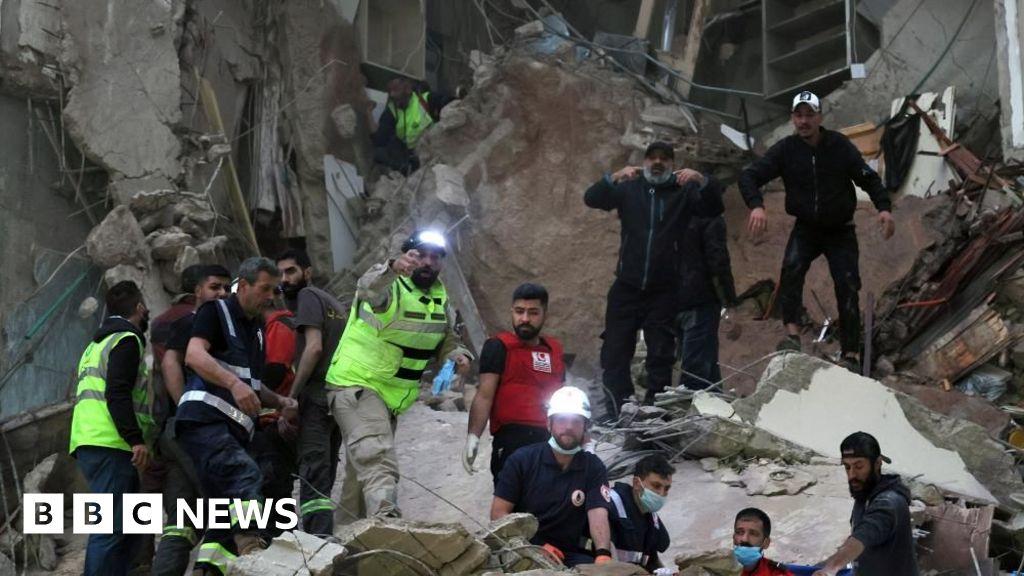
Israel launched its biggest wave of strikes in Lebanon, killing at least 303 people.
The Strait of Hormuz remained effectively shuttered.
Saudi Arabia's oil production capacity was reduced by around 600,000 barrels per day.
Pakistan's Strategic Calculus
Pakistan and Iran share more than 900 kilometers of border.
Nearly 20% of Pakistan's population is Shia Muslim.
Pakistan's own security situation factored into its calculus.
The defence pact with Saudi Arabia binds the two countries to come to each other's defence.
Pakistan's military influence gave it credibility with the Trump regime.
The mediation marked Pakistan's most significant diplomatic win in years.
More on Iran
U.S. And Iran Begin Peace Talks In Islamabad Led By JD Vance And Iranian Officials
11 sources compared
Trump's Iran War Sparks U.S. Military Morale Crisis and Surge in Discharges
11 sources compared

South Korea Welcomes US-Iran Ceasefire Amid Strait Of Hormuz Shipping Standstill
101 sources compared
Iran's IRGC Enters New Phase Managing Strait of Hormuz, Threatens Unauthorized Ships
61 sources compared