Iran24 March, 20263 min read
Pakistan Offers to Host US-Iran Talks to De-Escalate Gulf War
Pakistan offers to host US-Iran talks to de-escalate Gulf tensions. Pakistan relays U.S. proposal to Iran and facilitates mediation.
Pakistan's Mediation Role
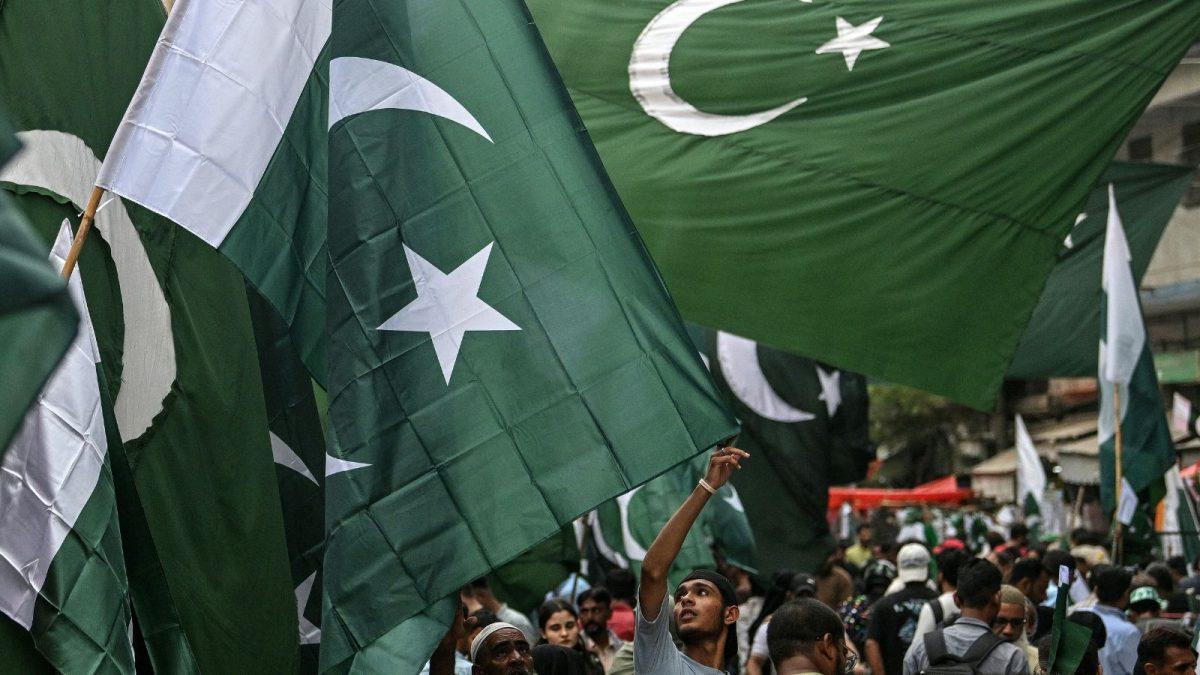
Pakistan has emerged as a central diplomatic channel in efforts to de-escalate tensions between the United States and Iran. According to reports, Islamabad has initiated efforts to bring both countries to the negotiating table, with the draft ceasefire plan delivered through Pakistan diplomatic channels. A senior Iranian official speaking on condition of anonymity confirmed to Reuters that Pakistan has delivered a proposal from the United States.
“Pakistan has emerged as a central diplomatic channel in efforts to de-escalate tensions between the United States and Iran. According to reports, Islamabad has initiated efforts to bring both countries to the negotiating table, with the draft ceasefire plan delivered through Pakistan.”
The Iranian source did not disclose details of the proposal passed on by Pakistan, or whether it was the same as a 15-point US proposal that has been reported by news outlets. Pakistan's army chief Asim Munir and Prime Minister Shehbaz Sharif have reportedly held discussions with Iranian President Masoud Pezeshkian as part of these mediation efforts.

15-Point Proposal and Iran's Response
The Trump administration has reportedly sent a 15-point plan to Iran through Pakistani intermediaries. The plan demands significant concessions including the removal of Iran's stocks of highly enriched uranium and halting enrichment. Three Israeli cabinet sources confirmed that Prime Minister Benjamin Netanyahu's security cabinet had been briefed on the proposal.
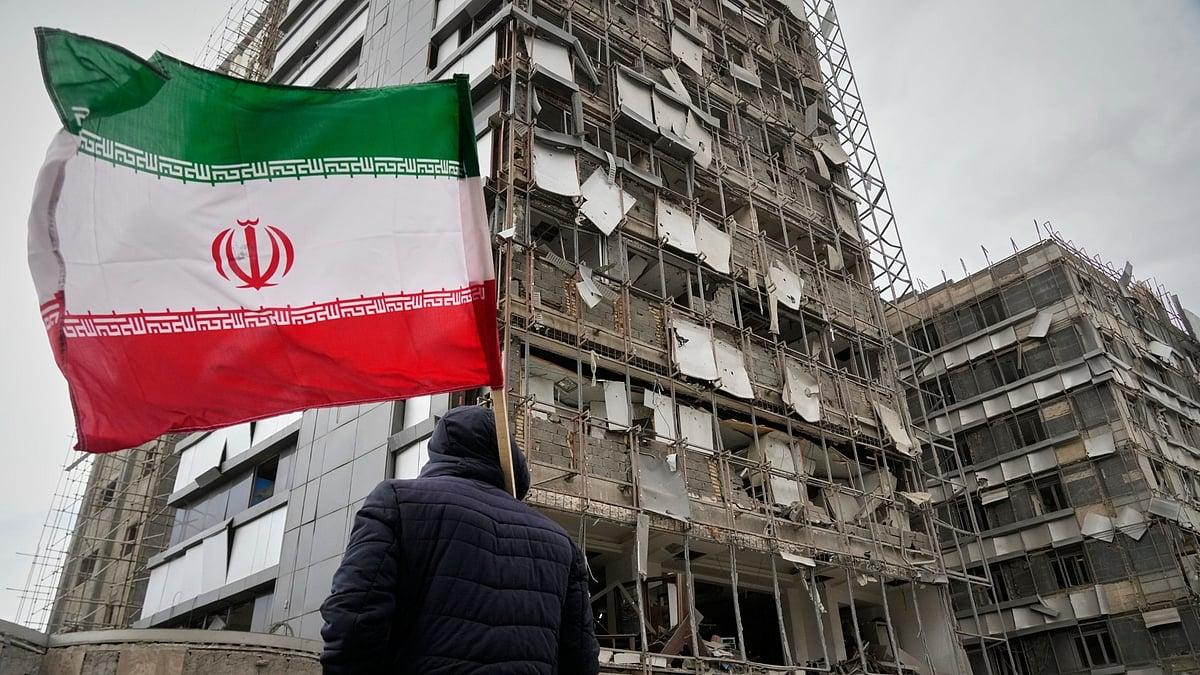
Iran has outlined six conditions for entering talks, including removal of all US military bases and compensation for losses. Iranian officials have continued to deny direct negotiations with the Trump administration. The parliamentary speaker dismissed claims of negotiations as 'fake news' intended to manipulate financial and oil markets.
Pakistan's Diplomatic Position
Pakistan's unique diplomatic position has strengthened its role as a mediator, leveraging its close ties with Iran while maintaining friendly relations with Gulf nations. The country's neutrality—stemming from its lack of US military bases and absence of Iranian strikes—has positioned Islamabad as an ideal intermediary. Pakistan's approach reflects cautious diplomacy; it has condemned strikes on Iran but also urged restraint from all parties.
“Pakistan's neutrality—stemming from its lack of US military bases and absence of Iranian strikes—has strengthened its role as an intermediary. As highlighted by The Guardian, the renewed push for peace is not limited to Pakistan.”
The mediation initiative is described as a 'strategic synergy' involving Ankara, Cairo, and Islamabad, which has established a vital diplomatic conduit for communication. Qamar Cheema, the executive director of the Islamabad-based think tank the Sanober Institute, told NPR that Pakistan has been working to facilitate negotiations between Iran and the U.S. Cheema noted that U.S. envoy Steve Witkoff has a direct connection to Pakistan's army chief Asim Munir, whom Trump has called a 'great general' and 'a great guy'.
Military and Market Reactions
Despite diplomatic efforts to de-escalate the conflict, military tensions continue to escalate with the Pentagon planning to send thousands of airborne troops to the Gulf region. Sources told Reuters that approximately 1,000 US paratroopers with the Army's 82nd Airborne Division are expecting to deploy in coming days to the Middle East. The market has reacted positively to diplomatic developments, with oil prices falling and battered shares recovering after reports that the US had sent the 15-point plan to Iran.
At least two vessels transiting the strategic Strait of Hormuz are understood to have paid extra in exchange for safe passage. Iranian officials stated that Iran will 'absolutely' keep charging countries and vessels a fee for safe passage through the Strait of Hormuz due to the 'war situation imposed on Iran'. The economic impact of the war has been significant, disrupting global energy supplies and killing thousands in nearly four weeks of hostilities.

Iran's Official Position
Iranian officials have maintained a firm stance against direct negotiations with the Trump administration, though they have acknowledged receiving messages through intermediaries. Iran's military spokesperson Ebrahim Zolfaqari taunted the US leadership in a hyperbolic message broadcast on state television. The Iranian parliament speaker Mohammad Bagher Ghalibaf dismissed claims of ongoing negotiations as attempts to influence financial and oil markets.
“Iran's military spokesperson Ebrahim Zolfaqari taunted Trump in comments on Iranian state TV. 'Has the level of your inner struggle reached the stage of you negotiating with yourself?' the top spokesperson for Iran's joint military command, Ebrahim Zolfaqari, taunted Trump. 'People like us can never get along with people like you,' he said.”
Iran's ambassador to Pakistan stated that while there are currently no direct talks between Tehran and Washington, friendly countries like Pakistan are actively working to facilitate dialogue. The ambassador expressed hope that these diplomatic efforts would help bring an end to the war. Iran's public statements about potential negotiations have become increasingly caustic despite acknowledging diplomatic channels.