Iran24 March, 20263 min read
Pakistan steps up as go-between in Trump's Iran crisis
This article is an automated aggregation of coverage from news outlets. Our editorials offer in-depth analysis curated by the NewsCord team.
Pakistan positions itself as mediator between the U.S. and Iran amid the crisis. Talks potentially hosted in Islamabad as part of U.S.-Iran discussions.
Pakistan's Diplomatic Positioning
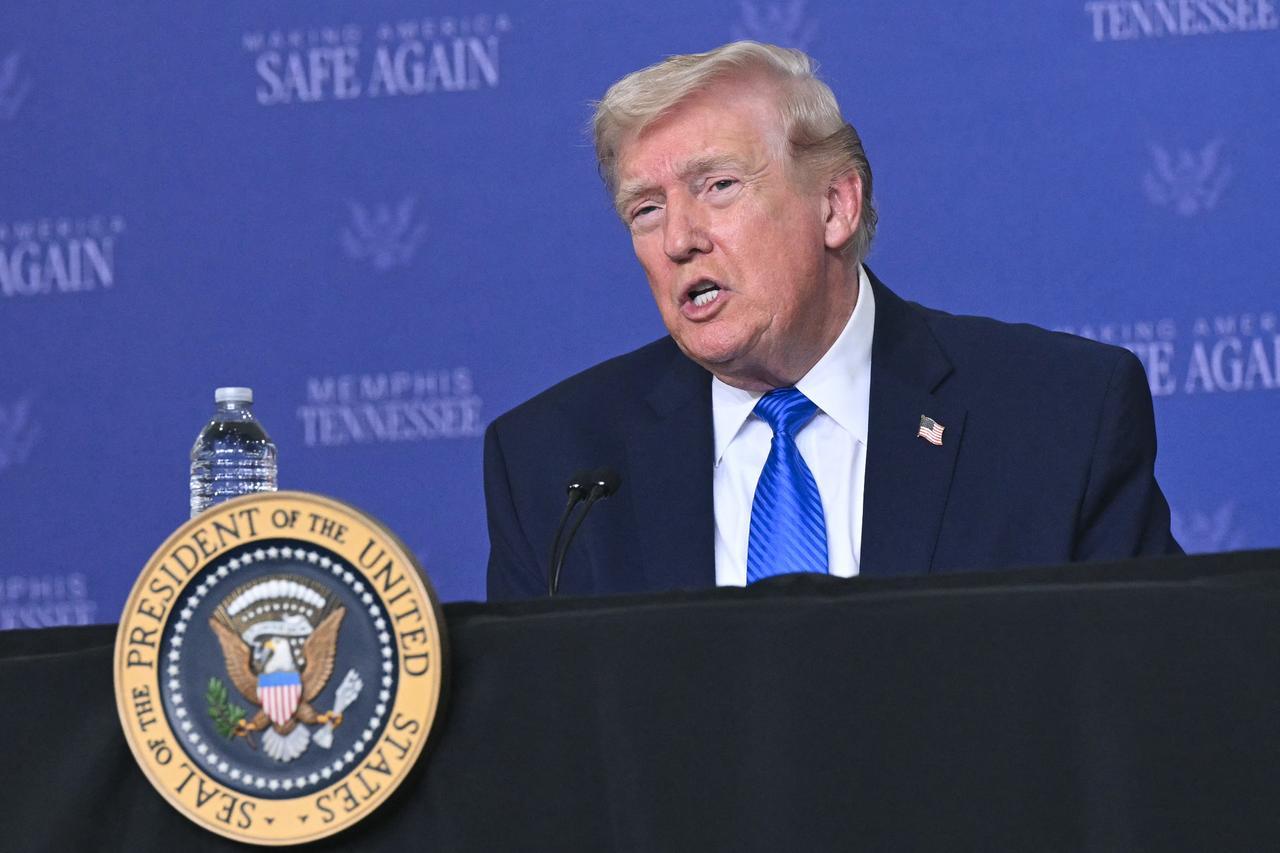
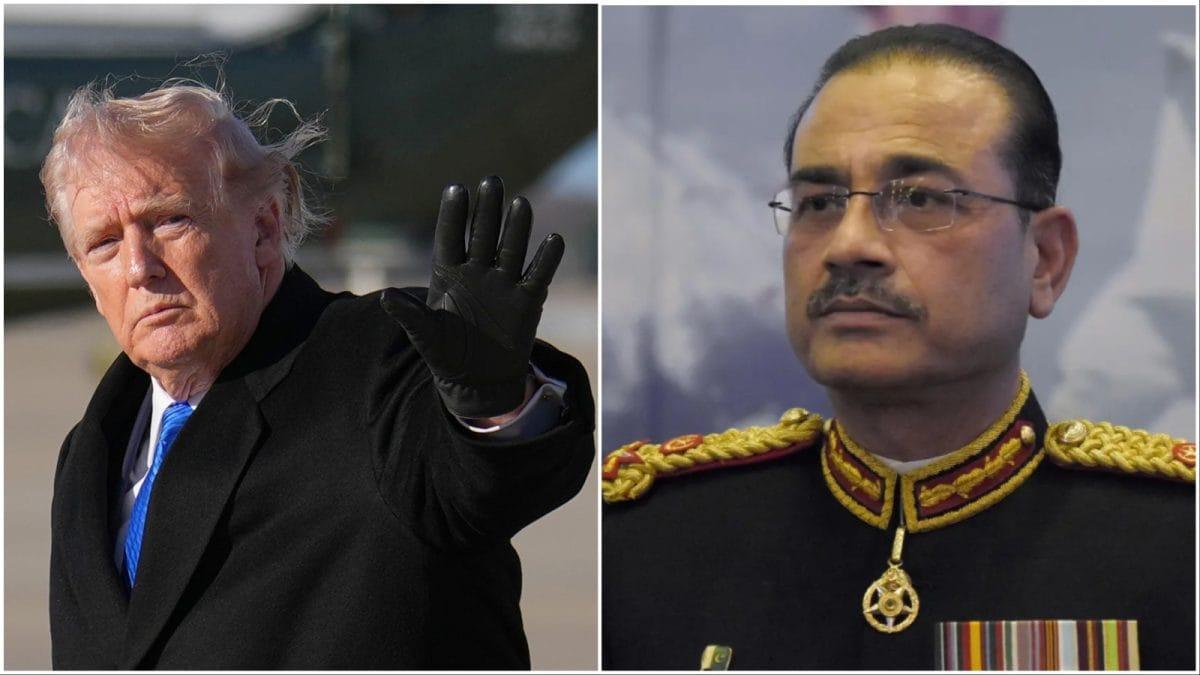
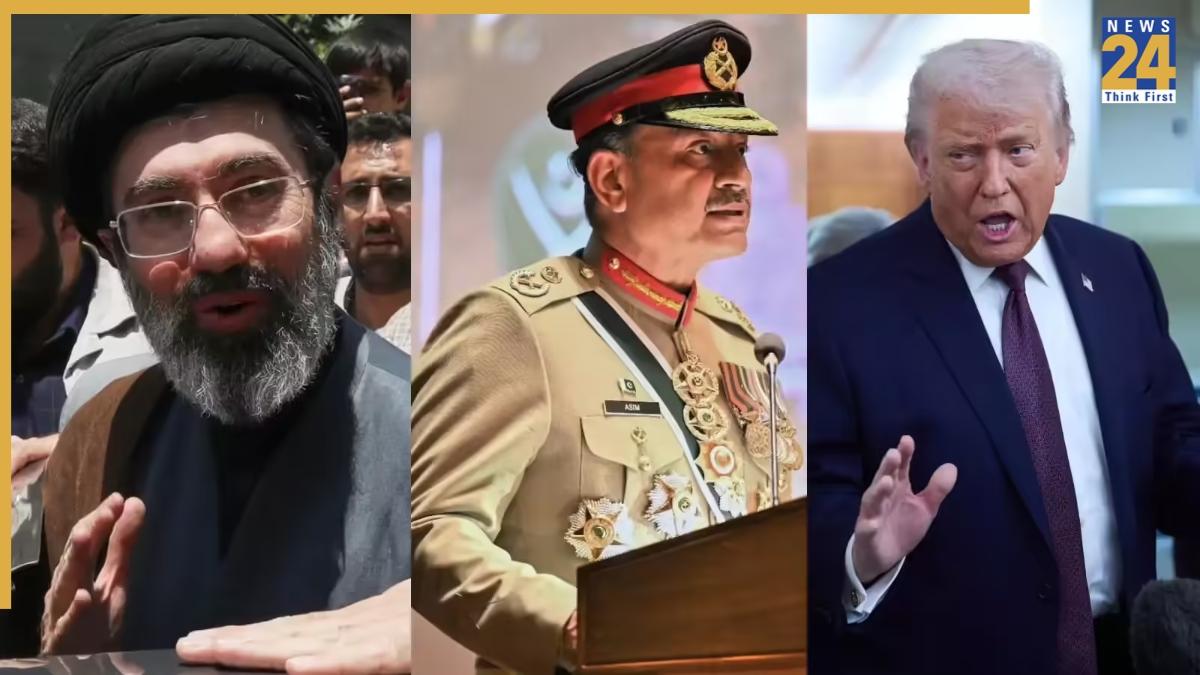
Pakistan has emerged as a key mediator in the escalating US-Iran conflict, leveraging its unique position of having warm relations with both Washington and Tehran. The country's diplomatic efforts have positioned it at the center of potential de-escalation talks, with Pakistan's army chief Asim Munir maintaining close ties to US President Donald Trump. Pakistan shares a border and maintains neighborly relations with Iran, allowing it to bridge communication between the adversarial powers.
“A warm relationship with US President Donald Trump and strong ties with Tehran has brought Pakistan to the centre as one of the key mediators for the escalating war between the US, Israel and Iran.”
This positioning has been described as 'very good' by analysts, with Pakistan successfully navigating its relationships to facilitate diplomacy. The Financial Times reported that Pakistan has 'pitched Islamabad as a possible venue for talks between the Trump administration and Iran.'
Diplomatic Contacts and Timing
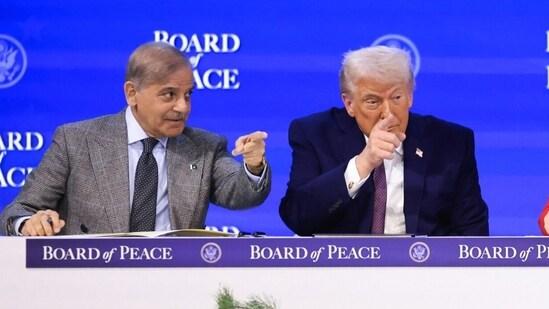
Direct diplomatic contacts between Pakistani leaders and both US and Iranian officials have been central to the mediation efforts. Over the weekend, Pakistan's army chief Asim Munir spoke with US President Donald Trump about the conflict. Prime Minister Shehbaz Sharif held talks with Iranian President Masoud Pezeshkian, with both leaders discussing the 'grave situation in the Gulf region'.
These conversations occurred around the same time as Trump's announcement to pause strikes on Iranian energy sites for five days. The Financial Times reported that senior Pakistani officials were 'back-channelling talks between Tehran and Team Trump's envoys Witkoff and Jared Kushner.'
Islamabad as Negotiation Venue
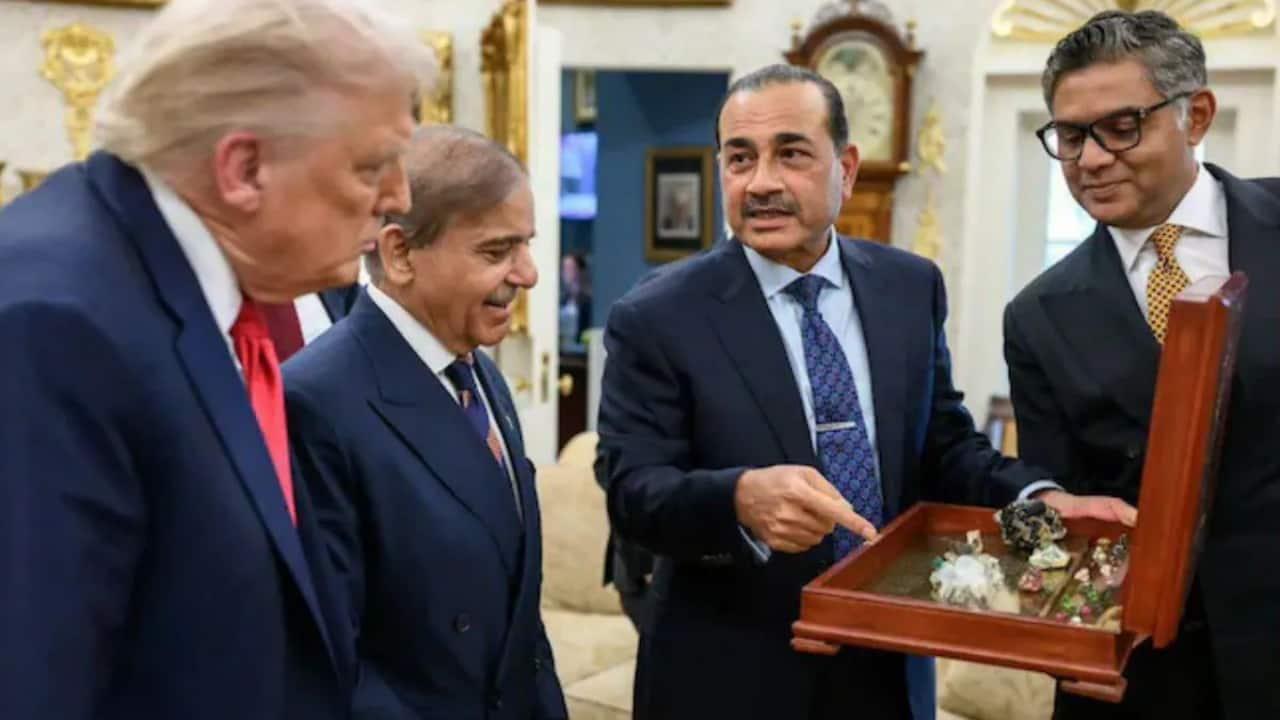
Pakistan has actively offered its capital Islamabad as a potential venue for face-to-face negotiations between US and Iranian officials. Multiple sources confirm that Islamabad is being positioned as a possible meeting location, with NBC News reporting that 'an in-person meeting could be held in the coming days in Islamabad.' Pakistan's foreign ministry spokesperson Tahir Andrabi stated that Pakistan is 'always willing to host talks' provided 'the parties desire' them.
“Pakistan is joining a growing list of countries acting as go-betweens for the United States and Iran, four sources told NBC News, with two of those sources saying an in-person meeting could be held in the coming days in Islamabad.”
The White House has remained cautious, describing the situation as 'fluid' and declining to confirm or deny Pakistan's role in potential negotiations. Press Secretary Karoline Leavitt stated 'These are sensitive diplomatic discussions and the United States will not negotiate through the news media.'
Regional Mediation Efforts
Pakistan's mediation efforts are part of a broader regional diplomatic initiative involving multiple countries seeking to de-escalate the conflict. Alongside Pakistan, Turkey and Egypt have also stepped up mediation efforts, with NBC News reporting that 'Pakistan is one of at least three countries, alongside Türkiye and Egypt, involved in mediation efforts between the U.S. and Iran.' These regional powers are working to facilitate communication between Washington and Tehran.
A Gulf official said Pakistan has been passing messages between Washington and Tehran over the past two days. Israeli officials have reportedly been aware of these mediation attempts, with a senior Israeli official confirming that contacts are ongoing to arrange a potential meeting in Islamabad.
Iran's Position and Denials
Iran has consistently denied holding direct negotiations with the United States, despite President Trump's claims of 'very good and productive conversations.' Iranian officials have rejected Trump's assertions, with foreign ministry spokesperson Esmaeil Baqaei stating that 'no talks with the United States had taken place in the past 24 days.' Iran's parliament speaker Mohammad Bagher Ghalibaf also denied any US negotiations, calling claims of talks 'fakenews' used to 'manipulate the financial and oil markets.'
“Iran, on the other hand, has denied holding any form of talks or discussions with the Trump administration, further accusing the US President of 'backing down' due to Iranian warnings and of 'manipulating the markets.'”
However, Tehran has acknowledged receiving mediation messages from friendly countries, with Baqaei confirming that 'messages were received via certain friendly states conveying the US request for negotiations.' This creates a complex diplomatic situation where indirect communication continues while both sides maintain public positions against direct talks.
Pakistan's Strategic Advantages
Pakistan's unique position as a mediator stems from several strategic advantages that make it particularly well-suited for this diplomatic role. Unlike many US allies in the region, Pakistan does not host any American bases, giving it greater credibility as a neutral arbiter between Iran and the United States. The country also has the second-largest Shia Muslim population after Iran, providing religious and cultural connections that facilitate communication.
Additionally, Pakistan's mutual defense pact signed last year with Saudi Arabia has enhanced its regional standing, as Basit noted, Pakistan 'would not be able to host Iran talks' without Saudi Arabia's blessing. Pakistan's army chief Asim Munir's close relationship with Trump has further strengthened Islamabad's diplomatic hand. However, analysts caution that diplomatic efforts remain in 'very early-stage messaging, rather than a formal process,' with prospects for successful mediation remaining uncertain.