Crypto · 04 May, 2026 · 7 min read
Paradigm Proposes PACTs To Protect Satoshi-Era Bitcoin From Quantum Attacks
PACTs allow Satoshi-era holders to prove ownership without moving assets. Provable Address-Control Timestamps privately timestamp vulnerable keys before quantum arrival, creating a rescue path.
How the at-risk amount and “Satoshi” holdings are quantified across coverage.
7 of 8 outlets skipped it: PACTs redemption reveals nothing about which address, which amount, or even when the original timestamp was created..
14outlets compared
Same story, two versions
tap a side to read it in full
TradingView
“Les 84 milliards de dollars de Bitcoin attribués à Satoshi Nakamoto pourraient bien être menacés par les ordinateurs quantiques.”Read the original ↗
The same underlying threat is presented with different headline valuations ($75B vs ~$84B), which can influence perceived urgency, political/regulatory framing, and how broadly readers assume “Satoshi-era” risk extends.
PACTs, l’« escape hatch »
Une nouvelle proposition technique baptisée « Provable Address-Control Timestamps » (PACTs) vise à protéger des bitcoins dormants, y compris des fonds attribués à Satoshi Nakamoto, contre une menace future liée à l’informatique quantique.
“safeguard old wallets, including some early Bitcoin holdings that are believed to be linked to Bitcoin’s creator, Satoshi Nakamoto”
Plusieurs articles décrivent l’idée centrale comme un moyen de prouver le contrôle d’une adresse sans déplacer les coins et sans révéler l’identité du détenteur.

The Crypto Times explique que Dan Robinson, chercheur chez Paradigm, propose un mécanisme de timestamping pour « protéger les portefeuilles Bitcoin qui ont été inactifs pendant des années » et pour « safeguard old wallets, including some early Bitcoin holdings that are believed to be linked to Bitcoin’s creator, Satoshi Nakamoto ».
CoinDesk détaille que PACTs « let holders privately timestamp cryptographic proofs of ownership today and later use quantum-resistant STARK proofs to unlock their coins if the network freezes vulnerable addresses ».
Dans la même veine, The Block présente PACTs comme un système de timestamping « already part of a blockchain's basic functionality » qui permettrait de « create a record of ownership in the event of a future quantum attack ».
L’ensemble des récits insiste sur le fait que la proposition cherche à éviter le dilemme posé par des approches concurrentes, notamment BIP-361, qui pousseraient les détenteurs à migrer ou à « signaler » publiquement leur contrôle.
Dans les articles, la menace quantique est décrite comme une capacité future à casser la sécurité actuelle, ce qui pourrait exposer des clés privées dérivées de clés publiques visibles.
CoinDesk résume ce « Satoshi problem » en reliant le risque à « millions of bitcoin sitting in old wallets with exposed public keys » et cite « the roughly 1.1 million bitcoin attributed to pseudonymous creator Satoshi Nakamoto ».
Pourquoi maintenant
Les articles situent la proposition dans un contexte d’inquiétude croissante au sein de la communauté Bitcoin face aux progrès du calcul quantique.
The Crypto Times indique que « concerns have been rising in the Bitcoin community over how the network would withstand future advances in quantum computing » et relie ce risque à la possibilité de casser « the Elliptic Curve Digital Signature Algorithm (ECDSA) that currently secures the network ».
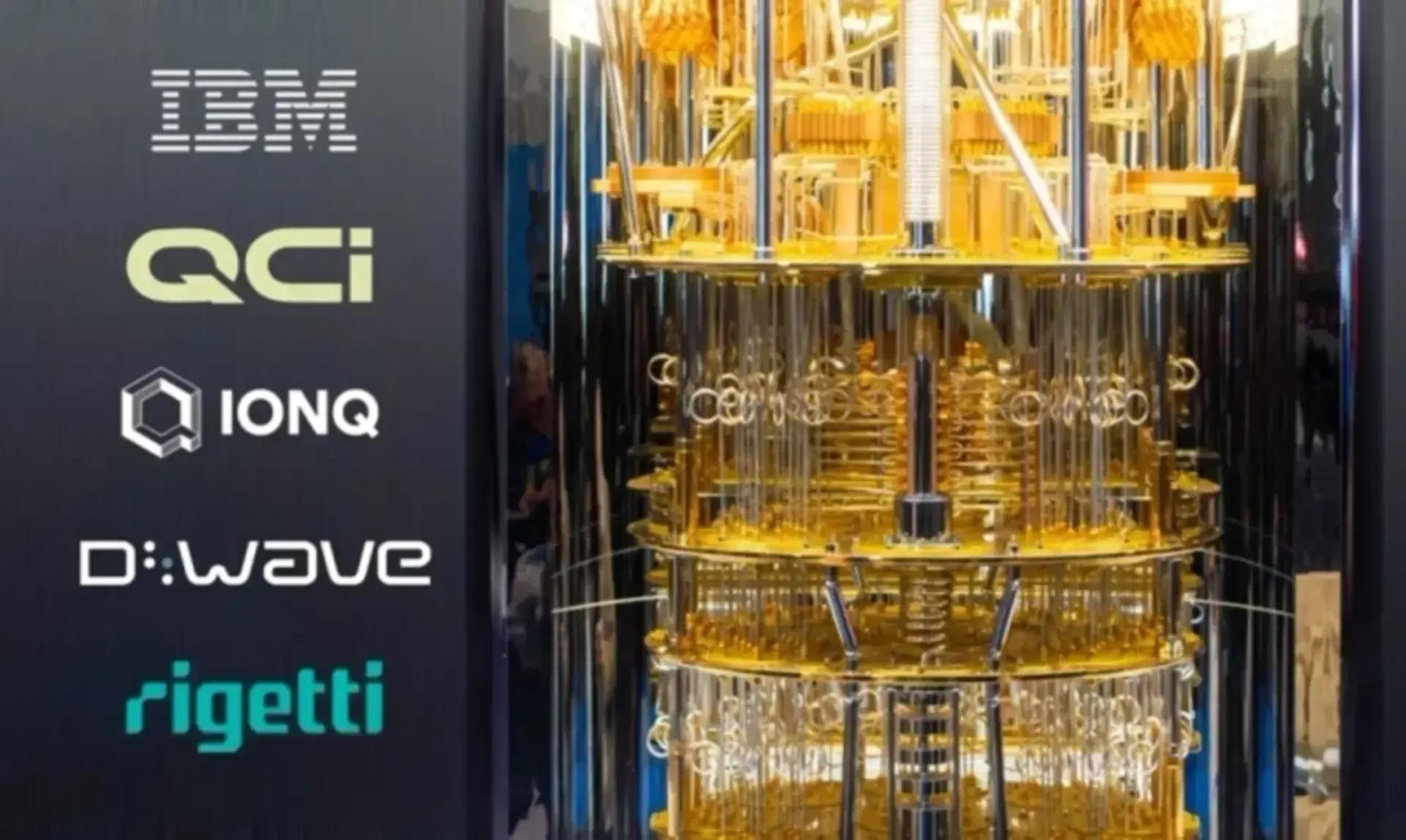
TradingView rapporte qu’une proposition de Paradigm intervient « Quelques jours après qu’un chercheur ait cassé une clé crypto à l’aide d’un ordinateur quantique grand public », ce qui sert de déclencheur narratif à l’annonce.
CoinDesk décrit aussi une logique d’anticipation : PACTs répond à un débat où la défense la plus évidente serait un « soft fork » qui « eventually stops allowing spends from those legacy address types ».
Dans ce cadre, CoinDesk rappelle que Jameson Lopp et cinq autres développeurs ont proposé BIP-361 « in mid-April » avec un calendrier « on a five-year timeline » et un gel des coins qui ne migrent pas.
The Crypto Times insiste sur le fait que BIP-361 « suggests a multi-year migration window allowing users to move funds to quantum-resistant addresses, after which legacy signatures would be “sunset” and permanently frozen ».T
Mais la proposition de Paradigm est présentée comme une réponse à un problème supplémentaire : « Satoshi, and every other long-dormant holder, would have to wake up publicly or risk losing access to their assets », selon CoinDesk.
The Block ajoute que d’autres modèles, comme le « sunsetting » de signatures, créent un dilemme pour les détenteurs dormants, car « Moving funds would reveal that the owner is still active and could potentially link the wallet to others they control ».
Voix et arguments
Les articles donnent plusieurs angles de réaction, en mettant en avant Dan Robinson et en opposant sa proposition à BIP-361, tout en citant aussi des critiques venues d’autres figures du secteur.
“warned that this risk could push the Bitcoin network toward “sunsetting” older address types to stay secure”
The Crypto Times rapporte que Robinson « warned that this risk could push the Bitcoin network toward “sunsetting” older address types to stay secure » et que « But such a move could create complications for dormant holders, who may be forced to prove ownership or risk losing access to their coins ».
Dans le même texte, Robinson est présenté comme proposant PACTs pour éviter cette contrainte : « It would allow users to signal control over their funds in a privacy-preserving way, without exposing personal identity or moving their Bitcoin ».
CoinDesk décrit plus concrètement la logique de Robinson : « A holder generates a random salt » et utilise « BIP-322, a standard for signing messages from a Bitcoin address without spending from it ».
The Block cite un élément de justification de Robinson, avec la phrase « This does not require Bitcoin to decide today whether a sunset is necessary », et ajoute que cela donne aux utilisateurs la possibilité de « plant a seed now ».
En parallèle, Decrypt et Cryptoast font intervenir Charles Hoskinson, fondateur de Cardano, qui conteste la capacité de récupération de BIP-361 pour les bitcoins les plus anciens.
Decrypt rapporte ses mots : « That is a lie » et « It's not possible », tout en précisant qu’il affirme que « 1.7 million BTC would not be recoverable under the plan ».
Cryptoast renforce la critique en affirmant que « 1.7 million bitcoins cannot be recovered in this way, including about 1.1 million belonging to Satoshi ».
Divergences de cadrage
Les médias ne décrivent pas seulement la proposition PACTs : ils cadrent différemment le problème et l’ampleur du risque, et certains mettent davantage l’accent sur la confidentialité tandis que d’autres soulignent les limites techniques.
TradingView insiste sur une menace chiffrée en dollars, affirmant que « Les 84 milliards de dollars de Bitcoin attribués à Satoshi Nakamoto pourraient bien être menacés par les ordinateurs quantiques » et présente PACTs comme « une solution révolutionnaire ».

CoinDesk, lui, ancre le débat sur « the roughly 1.1 million bitcoin attributed to pseudonymous creator Satoshi Nakamoto, currently worth around $84 billion », ce qui relie directement le montant à l’estimation de la fortune.
The Crypto Times avance une estimation différente du volume à risque, en écrivant : « He estimated that at risk holdings could exceed $75 billion ».
The Block, de son côté, décrit PACTs comme une « potential workaround » et insiste sur la nature « without moving funds or signaling activity onchain ».
Dans les détails techniques, CoinDesk mentionne un chemin précis : « timestamp it through OpenTimestamps, a free service that anchors data onto the Bitcoin blockchain through a single batched transaction », alors que TradingView décrit un déroulé en « 3 étapes » avec « engagement silencieux, attente, et rachat sécurisé via des preuves STARK ».
Enfin, les critiques divergent sur l’efficacité des alternatives : Decrypt et Cryptoast attaquent BIP-361 en affirmant que « 1.7 million BTC would not be recoverable under the plan » et que « 1.7 million bitcoins cannot be recovered in this way ».
À l’inverse, Paradigm Policy présente PACTs comme une solution « costlessly and silently » et affirme que l’adoption d’un standard de preuves « now » aiderait à « give holders as much time as possible to secure their coins against an emergency sunset ».
Enjeux et suite
Les articles convergent sur l’idée que l’enjeu dépasse la théorie : il s’agit de savoir si des détenteurs dormants pourront conserver l’accès à leurs bitcoins si un « sunset » intervient ou si des attaques quantiques arrivent avant.
“break Bitcoin’s current security system and potentially access exposed wallets to move funds”
The Crypto Times décrit un scénario où des machines quantiques pourraient « break Bitcoin’s current security system and potentially access exposed wallets to move funds » et ajoute que « That kind of event, he added, could also prompt closer regulatory attention on Bitcoin’s security ».T
CoinDesk souligne que PACTs ne fonctionneraient que si Bitcoin adopte une infrastructure de vérification STARK via un « soft fork », et que « The verification infrastructure does not exist in Bitcoin currently and would need what Robinson calls "substantial new plumbing," such as multisig wallets, complex scripts, and hardware wallet support ».
The Crypto Times avertit aussi sur les limites d’adoption : « It also depends on agreement from the broader Bitcoin developer community, which makes adoption uncertain ».
The Block rappelle que le modèle vise à « prepare for a worst-case quantum scenario without moving funds » mais note que d’autres propositions comme BIP-361 cherchent à forcer des upgrades « over the span of a few years ».
Dans le même temps, Decrypt et Cryptoast mettent en avant une contestation qui pourrait influencer la trajectoire : Decrypt rapporte que Hoskinson affirme « 1.7 million BTC would not be recoverable under the plan » et Cryptoast ajoute que « 1.7 million bitcoins cannot be recovered in this way ».
Enfin, Paradigm Policy conclut que l’objectif est de « leave the more difficult decisions—including whether a sunset is necessary or desirable—until later », tout en proposant une voie où les détenteurs peuvent « protect themselves from any eventual sunset costlessly and silently ».