
Pentagon Chief Pete Hegseth Vows US Will Launch Most Intense Strikes On Iran Tuesday
Key Takeaways
- Pete Hegseth said Tuesday would be the most intense day of U.S. strikes inside Iran
- Gen. Dan Caine said Iranian ballistic missiles fell 90% and one-way attack drones decreased 83%
- Iran launched attacks toward Israel and Gulf countries; Gulf states' air defenses intercepted strikes
Hegseth’s intensity vow
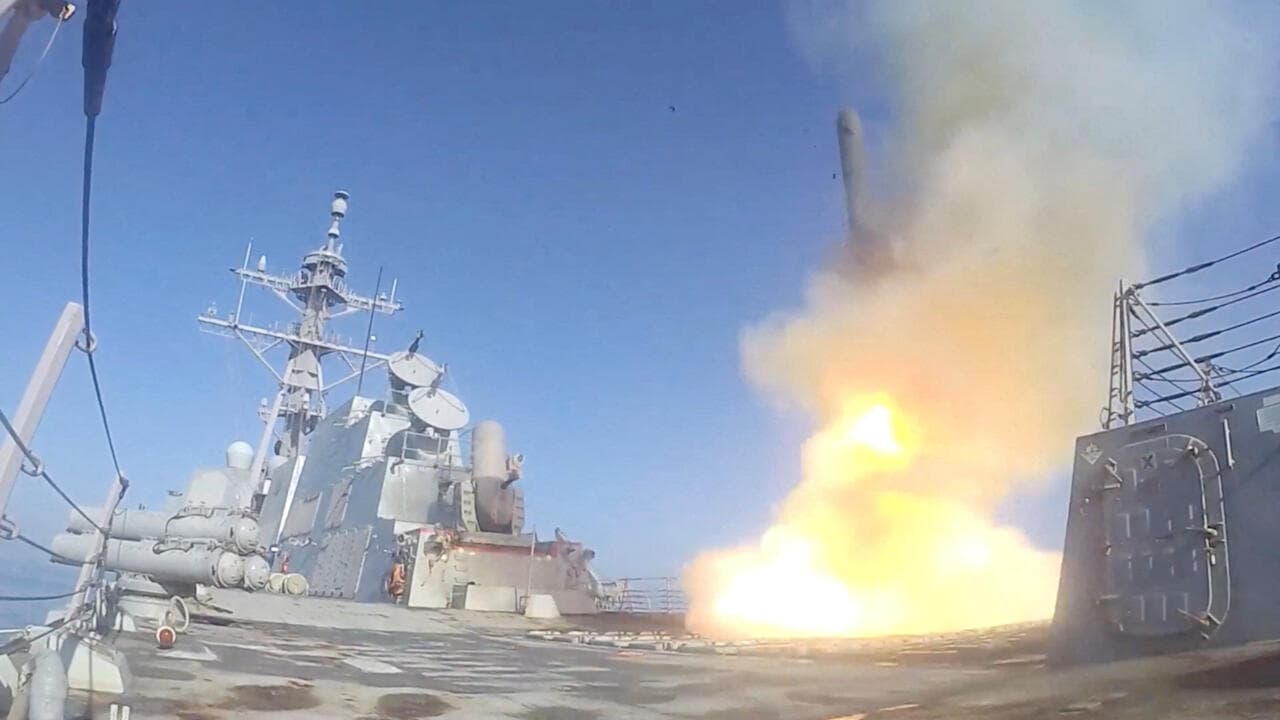
Pentagon chief Pete Hegseth publicly vowed that Tuesday would be “the most intense” day yet of U.S. strikes inside Iran, framing the campaign as a focused, non-occupation operation while insisting the United States and its forces were achieving their initial objectives.
“bases and multiple Gulf nations”
Hegseth repeated that assessment at a Pentagon press briefing, arguing the campaign was not an “endless nation-building” effort like past conflicts and declaring “Iran stands alone and they are badly losing” as the operation—named Operation Epic Fury by some outlets—entered its second week.
Military officials described an escalation in airpower, saying the day would feature “the most fighters, the most bombers, the most strikes, intelligence more refined and better than ever.”
Targets and objectives
Senior U.S. military officials, including Joint Chiefs chair Gen. Dan Caine, said the campaign had already struck thousands of targets and outlined specific military objectives: degrading Iran’s ballistic missile and drone capabilities, striking its naval capacity to secure the Strait of Hormuz, and “hitting deeper into Iran’s military and industrial base.”
Caine said US Central Command had so far struck more than 5,000 targets, and officials reported the tempo and precision of strikes were being increased using precision-guided, penetrating munitions against deeply buried launchers.
Civilian casualty concerns
The campaign’s strikes have raised immediate concerns about civilian harm.
“This story was reported from San Jose, California and Washington, D”
Officials acknowledged an ongoing Pentagon investigation into a strike that “killed more than 165 people at an all-girls school, most of them children,” and senators were reported to be awaiting a fuller account.
While Hegseth and other U.S. officials have accused Iran of moving or firing launches “into civilian neighborhoods, near schools, near hospitals” to complicate targeting, the high civilian toll from the strike has prompted scrutiny and calls for answers in Washington.
Allies and parallel strikes
U.S. officials also addressed allied and parallel operations: the Pentagon said Israel has been a “strong partner” but stressed that some strikes attributed to Israel were separate from U.S. missions, and Washington portrayed its campaign as narrowly focused on American objectives.
Israeli leaders were meanwhile publicly pursuing their own measures inside Iran’s neighborhood; the San Francisco Chronicle quoted Prime Minister Benjamin Netanyahu saying the war’s aim was a popular overthrow of Iran’s government and that “we are breaking their bones,” underscoring divergent but overlapping agendas in the conflict.
Regional fallout and markets
The wider region and global markets showed immediate effects as the campaign continued: Gulf states reported intercepting incoming missiles and activating air defenses, Iran fired drones toward neighboring Gulf countries, and leaders in Tehran vowed to keep fighting.
Analysts and officials linked attacks on energy infrastructure and the Strait of Hormuz to efforts to pressure the U.S., driving sharp swings in oil prices and markets.

Iranian hardline officials also publicly rejected ceasefire calls and criticized Washington’s rhetoric, with parliament speaker Mohammad Bagher Qalibaf saying Iran was “definitely not looking for a ceasefire,” and other security figures warning the U.S. to be careful.
More on Iran
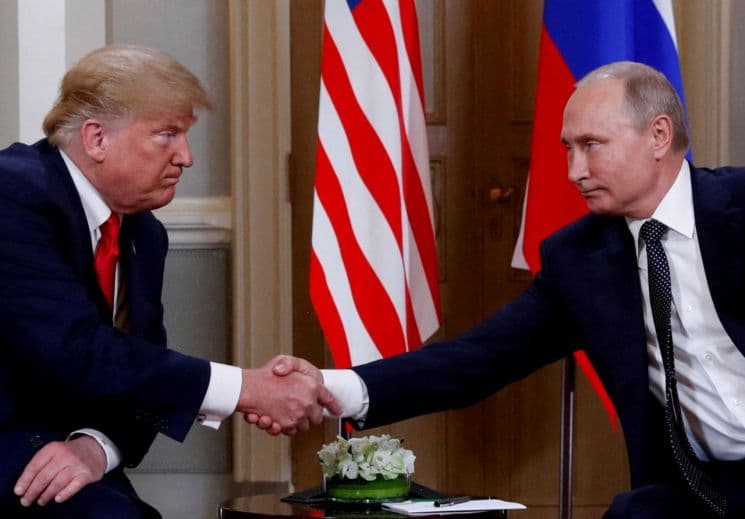
Putin Proposes Swift Plan to End War in Iran to Trump in Hour-Long Call
12 sources compared

Escalation in Iran Pushes Oil Near $120, Sparks Gas Price Surge in Los Angeles
10 sources compared
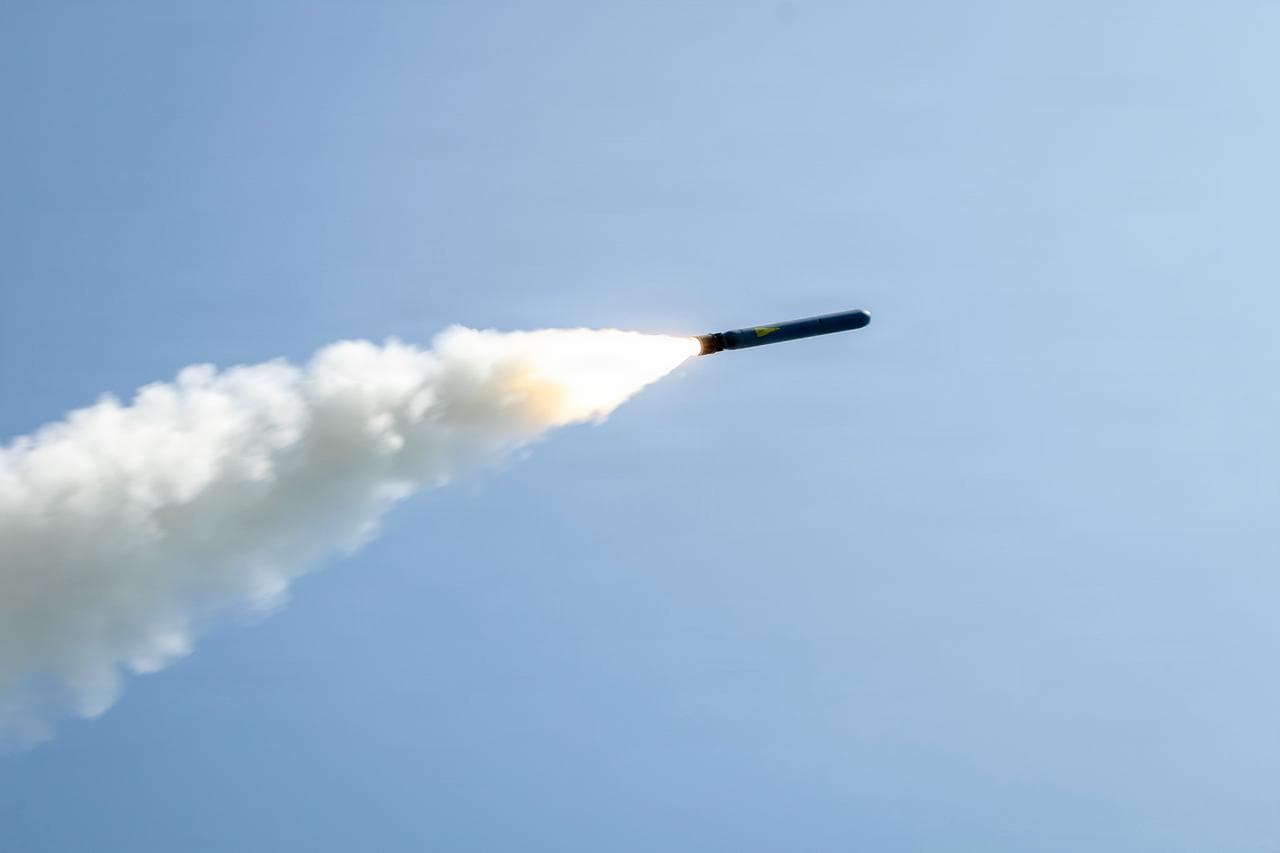
Video Shows US Tomahawk Hit IRGC Base Beside Girls' School That Killed Children
14 sources compared
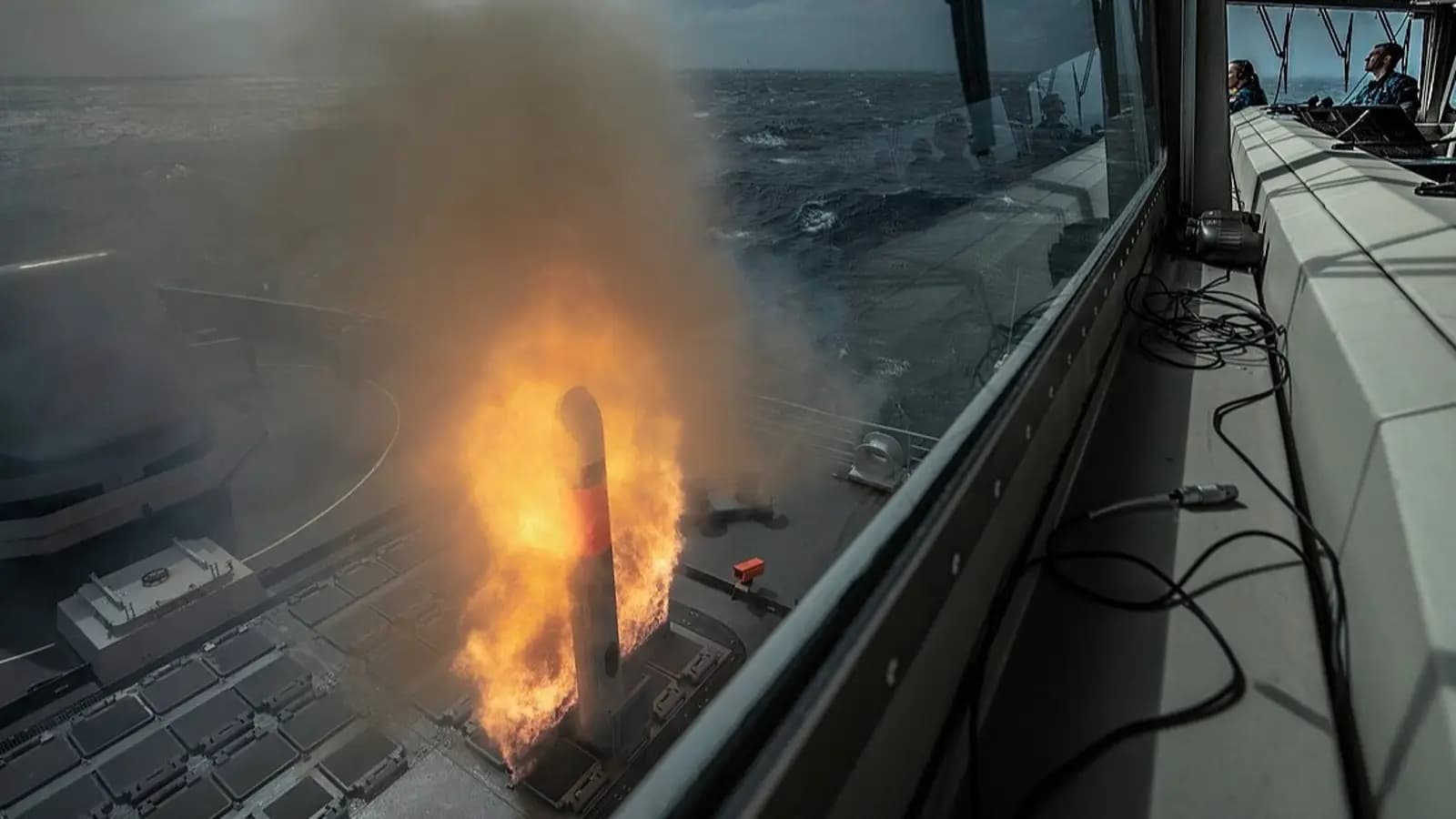
Evidence Shows U.S. Tomahawk Struck Iranian Girls' School, Killing 165
10 sources compared