USA24 April, 20267 min read
Pentagon Email Outlines Options To Suspend Spain From NATO Over Iran War Access
This article is an automated aggregation of coverage from news outlets. Our editorials offer in-depth analysis curated by the NewsCord team.
Internal Pentagon email proposed penalties, including suspending Spain from NATO, over Iran war stance. Options also included sidelining Spain and reconsidering support for Britain's Falkland Islands claim.
Save coverage image
Explore source coverage 6 source types
Directory totals describe our source library, not outlets checked for this story.
Pentagon email, Spain singled out
A leaked internal Pentagon email has outlined options for punishing NATO allies that refused to grant the United States access, basing, and overflight (ABO) rights for the Iran war, including suspending Spain from the alliance and reviewing U.S. diplomatic support for Britain’s claim to the Falkland Islands. Reuters reported that the “punishing” measures include suspending Spain from NATO and reassessing U.S. support for Britain’s sovereignty over the Falklands, with one U.S. official telling Reuters on condition of anonymity that the intent is “decreasing the sense of entitlement on the part of the Europeans.” The email described ABO as “just the absolute baseline for NATO,” and one option discussed suspending “difficult” countries from important or prestigious NATO positions.
The same Reuters report said the option to suspend Spain would have “a limited effect on U.S. military operations but a significant symbolic impact,” and also noted that Reuters could not confirm how such a suspension could be pursued. Pentagon Press Secretary Kingsley Wilson confirmed the general direction without discussing specifics, saying, “As President Trump has said, despite everything that the United States has done for our NATO allies, they were not there for us.”
Wilson added, “The War Department will ensure that the President has credible options to ensure that our allies are no longer a paper tiger and instead do their part,” and then said, “We have no further comment on any internal deliberations to that effect.” Multiple outlets tied the reported pressure to Spain’s refusal to allow U.S. bases or airspace to be used for attacks on Iran, with BBC noting Spain refused “to allow the use of air bases on its territory for attacks on Iran.”
Legal limits and political levers
NATO officials and European leaders portrayed the reported idea of suspending Spain as lacking a clear legal pathway, while other reporting emphasized that Washington could still apply political pressure.
The BBC reported that a NATO official told it the alliance’s founding treaty “does not foresee any provision for suspension of Nato membership, or expulsion,” after Reuters cited a U.S. official describing the internal Pentagon email.
Euronews similarly said experts believe it is “not possible for Spain’s NATO membership to be suspended by the US,” and quoted former British Army Captain, Dr. Patrick Bury, saying, “You can’t kick people out of NATO unless there’s been a material breach of process, which in the case of Spain there is absolutely no evidence.”
UPI and Politico both described Spain’s dismissal as unrealistic, with UPI noting the 1949 treaty contains “no process or means for the expulsion or suspension of a member country,” and Politico stating NATO’s founding treaty “does not include any mechanism that would allow for the suspension or removal of one of its members.”
At the same time, Reuters-based reporting and other outlets described how Washington might still retaliate without formal expulsion, including by removing “difficult” countries from “important or prestigious NATO positions” or reviewing U.S. diplomatic support for the Falklands.
The Türkiye Today report said the email did not propose withdrawing from NATO or closing U.S. bases in Europe, and that whether it included broader drawdown was not disclosed.
DW reported that NATO operates by consensus and that “it is not clear how a potential suspension would work, as there is no mechanism to allow for such a step,” while also citing NATO officials that the treaty contains no provision for suspension or expulsion.
Spain and allies respond
Spanish Prime Minister Pedro Sánchez played down the report, telling reporters he was “not worried” and insisting Spain would cooperate within international law.
UPI reported Sánchez said, “No worries. The Spanish government's position is clear: absolute cooperation with our allies, but always within the framework of international law,” while he refused to comment on the leaked email’s contents, saying the Spanish government “does not comment on emails.”
DW quoted Sánchez saying, “We do not work off emails. We work off official documents and government positions,” and added, “Spain is a reliable member within NATO,” while also stating, “absolute cooperation with the allies, but always within the framework of international legality.”
Politico similarly reported Sánchez told it, “No worries,” and said, “We are fulfilling our obligations toward NATO,” while also repeating that his government “does not comment on emails, but rather on official documents and positions.”
German officials dismissed the idea of Spain being targeted, with a German government spokesman telling a briefing, “Spain is a member of NATO. And I see no reason why that should change,” and Euronews also cited a NATO source saying the tone was “not surprising” given Trump’s “unhappiness with Europe, and particularly Spain.”
Italian Prime Minister Giorgia Meloni urged unity, telling reporters, “We must work to strengthen Nato's European pillar... which must clearly complement the American one,” while DW quoted EU foreign policy chief Kaja Kallas saying she was “puzzled by the US criticism” and that the bloc had met requests with “exactly what we are able to offer.”
In the background of these reactions, Reuters-based reporting described Trump’s broader posture toward NATO, including Pete Hegseth’s claim that “You don’t have much of an alliance if you have countries that are not willing to stand with you when you need them,” and Wilson’s insistence that the War Department would ensure allies are no longer “a paper tiger.”
Falklands and the Iran dispute
Alongside Spain, the leaked Pentagon email also proposed reviewing U.S. diplomatic support for Britain’s claim to the Falkland Islands, tying the issue to the same Iran war dispute over access and overflight.
Reuters-based reporting described the email’s option to reassess U.S. diplomatic support for European “imperial possessions,” citing the Falkland Islands near Argentina as an example, and said Argentine President Javier Milei asserts territorial claims to the islands.
The Türkiye Today report said Britain and Argentina fought a war over the islands in 1982, with 650 Argentine and 255 British troops killed before Argentina surrendered, and it described the email’s intent as aimed at “decreasing the sense of entitlement on the part of the Europeans.”
DW and BBC both linked the Falklands review to the UK’s initial refusal to join the war, with BBC noting the internal email suggested reassessing U.S. diplomatic support for “longstanding European ‘imperial possessions’ such as the Falkland Islands.”
DW reported that a UK spokesperson said, “We could not be clearer about the UK's position on the Falkland Islands. It is long standing, it is unchanged,” and added, “Sovereignty rests with the UK and the islands' right to self-determination is paramount.”
Euronews also described the Falklands as a British overseas territory claimed by Argentina and said the U.S. State Department has long endorsed the UK as the official administrator after the 1982 war.
The BBC further placed the Iran context in the same frame, saying Trump criticised NATO allies after the U.S. and Israel attacked Iran on 28 February and Iran restricted shipping through the Strait of Hormuz, and it noted Spain refused to allow “the use of air bases on its territory for attacks on Iran.”
What happens next for NATO
The reported Pentagon options and the public pushback from NATO members raise immediate questions about how the alliance will manage the dispute over Iran and the Strait of Hormuz while avoiding formal rupture.
BBC reported that NATO’s founding treaty “does not foresee any provision for suspension of Nato membership, or expulsion,” and it said the BBC contacted the Pentagon and UK government for comment after the Reuters story, while also noting that Spain’s leader dismissed the report.
Euronews framed the situation as damaging but not legally actionable, quoting Dr. Patrick Bury saying, “You can’t kick people out of NATO unless there’s been a material breach of process,” and adding that Trump’s verbal attacks and threats to withdraw from NATO are “ever more frequent.”
DW described the diplomatic posture after the report, quoting Kaja Kallas saying she was “puzzled by the US criticism” and that the bloc had met requests with “exactly what we are able to offer,” while also quoting Kingsley Wilson’s response that allies “were not there for us.”
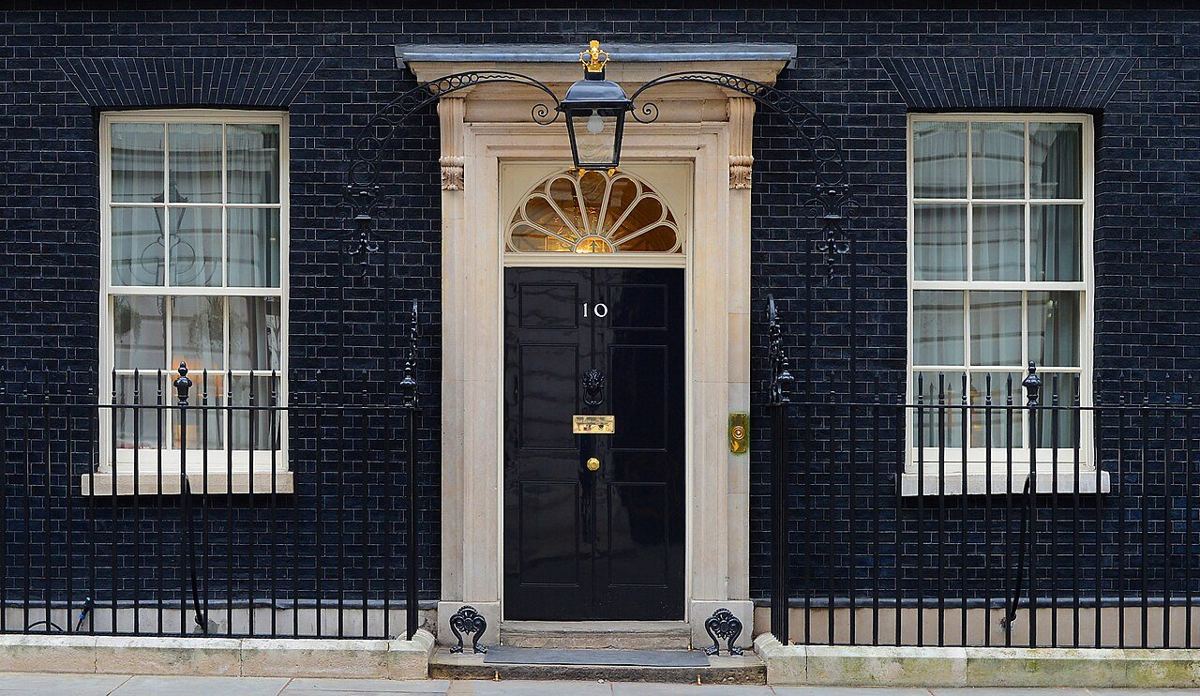
Politico added that the email suggested Washington could review its position on the Falklands, and it quoted an unnamed Downing Street spokesperson saying the islands had “hugely voted overwhelmingly in favor of remaining a UK overseas territory” and that “sovereignty rests with the U.K.”
The Türkiye Today report said the email did not propose withdrawing from NATO or closing U.S. bases in Europe, and it also noted that Reuters could not confirm how a suspension could be pursued, leaving the practical path unclear.
At the same time, Stars and Stripes reported that it was “not immediately clear how the United States could suspend or expel Spain from NATO,” and it described Article 13 in the Washington Treaty as offering a way for a country to quit while noting the charter is silent on forcing out a member.