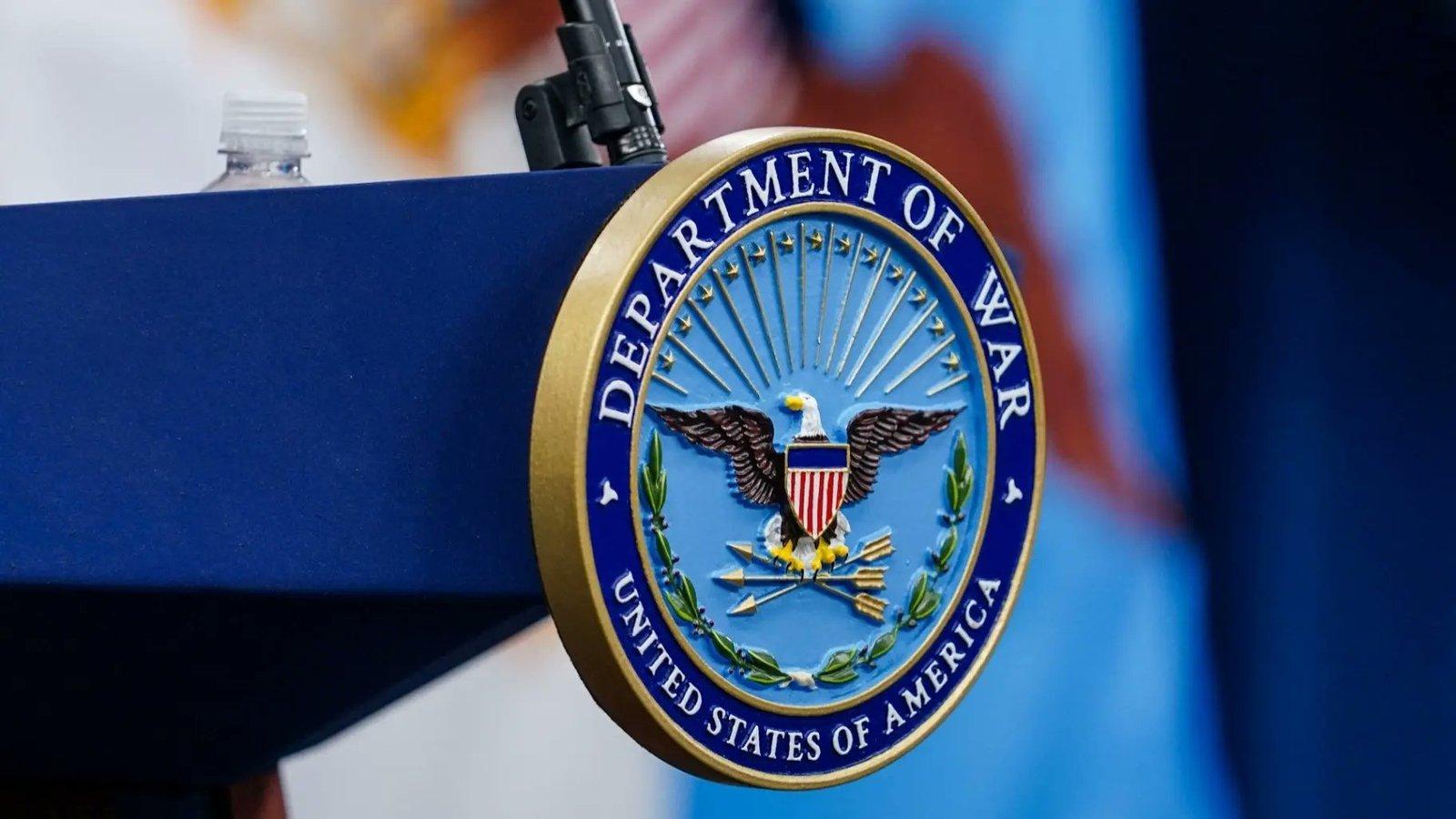
Pentagon Email Sparks NATO Dispute as U.S. Seeks Spain Suspension Over Iran War Stance
Key Takeaways
- Internal Pentagon email floated suspending Spain from NATO over Iran war stance.
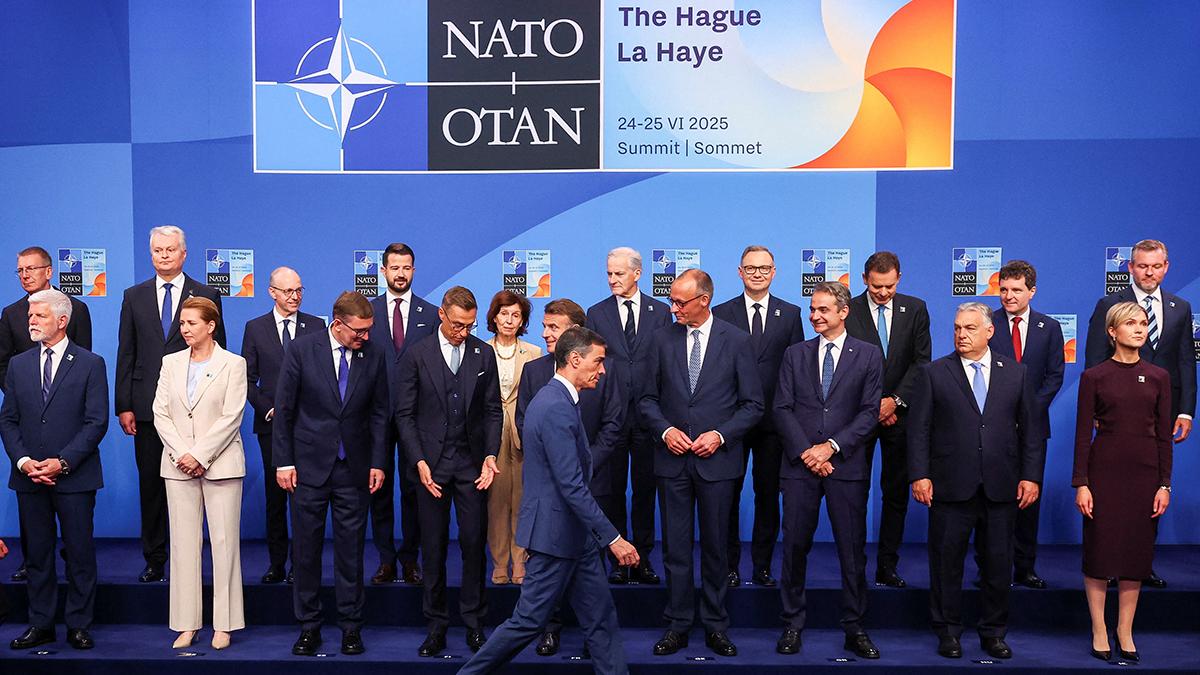
- NATO says there is no provision to suspend or expel members.
- Sánchez downplayed the leaked Pentagon email, stating Spain remains a good ally.
Leaked memo and NATO
A leaked internal Pentagon email has triggered a dispute inside the North Atlantic Treaty Organization after a report said the United States could seek to suspend Spain over its stance on the war with Iran.
Reuters reported that the email suggested measures for the US to punish allies it believed had failed to support its campaign, and the BBC said NATO has “no provision” to expel members.

The BBC quoted a Nato official saying the organisation’s founding treaty “does not foresee any provision for suspension of Nato membership, or expulsion”.
The BBC also reported that Spain’s leader dismissed the report, with Pedro Sánchez telling reporters: “We do not work based on emails. We work with official documents and official positions taken, in this case, by the government of the United States.”
DW likewise reported that Sánchez said he was “not worried” and argued Spain was acting within “the framework of international legality.”
The Kyiv Independent reported a NATO official saying “NATO's Founding Treaty does not foresee any provision for suspension of NATO membership, or expulsion,” reinforcing the treaty-based argument across outlets.
ABO, bases, and retaliation
The reported Pentagon options were tied to access, basing, and overflight rights—ABO—after Spain refused to allow US aircraft to use its bases and airspace for attacks on Iran.
The BBC said Spain refused to allow the use of air bases on its territory for attacks on Iran, and it identified the US bases in Spain as Naval Station Rota and Morón Air Base.

Euronews described the internal email’s focus on “access, basing and overflight rights” and said the refusal for ABO was detailed as “just the absolute baseline for NATO”.
DW similarly said Spain, along with Italy and France, did not allow US aircraft to use its bases or airspace to attack Iran.
The Pentagon email also linked the dispute to the UK’s Falkland Islands claim, with Reuters reporting that it suggested reassessing US diplomatic support for “imperial possessions” such as the Falkland Islands.
The BBC reported that the internal email suggested measures for the US to punish allies, while also saying the memo did not suggest the US could withdraw from the alliance or close bases in Europe.
Leaders respond and debate
Spanish Prime Minister Pedro Sánchez moved quickly to downplay the report, telling multiple outlets that Spain works from official positions rather than emails.
The BBC quoted Sánchez saying: “We do not work based on emails. We work with official documents and official positions taken, in this case, by the government of the United States.”
DW reported Sánchez said he was “not worried” and added: “The Spanish government's position is clear — absolute cooperation with the allies, but always within the framework of international legality.”
POLITICO reported Sánchez telling the outlet on arrival at an EU leaders summit in Cyprus: “No worries,” and also said: “We are fulfilling our obligations toward NATO.”
The Kyiv Independent reported Sánchez reaffirming: “The Spanish government's position is clear: absolute cooperation with our allies, but always within the framework of international law,” on April 24.
In parallel, NATO and European leaders pushed back on the idea of disunity, with DW quoting Italian Prime Minister Giorgia Meloni saying NATO “must remain united.”
US response and NATO pressure
The US response, as described by Reuters and repeated across outlets, came through Pentagon messaging that framed allies as failing to support the US during the Iran war.
The BBC reported that in response to the Reuters story, Pentagon Press Secretary Kingsley Wilson said that despite “everything” the US has done for its Nato allies, “they were not there for us”.
Wilson added: “The War Department will ensure that the president has credible options to ensure that our allies are no longer a paper tiger and instead do their part.”
DW quoted Wilson with the same language, again emphasizing “paper tiger” and “do part.”
Euronews similarly said the tone in the email reflected US President Donald Trump’s “unhappiness with Europe, and particularly Spain,” and it quoted a NATO source describing that frustration.
Kyv Independent reported that Trump had sharply criticized NATO allies for refusing to deploy naval forces to help reopen the Strait of Hormuz and called Spain “a terrible ally.”
What happens next
The dispute has immediate implications for how NATO members coordinate during the Iran war and for how the alliance’s internal rules are interpreted under pressure.
“Spain in NATO: what the Pentagon case reveals about the alliance - The origins of the conflict and pressure from Washington in the escalation with Iran - Sovereignty and dependence in the strategic role of Rota and Morón - A NATO without expulsions, where real power is measured in influence rather than treaties - An internal Pentagon memo and its political interpretation - Spain, the United States and the underlying conflict: the war with Iran - The legal key: NATO does not provide for expulsions - NATO as a structure of political discipline, not just military - The infrastructure factor: Rota, Morón and strategic dependence - What this episode really says about NATO - A debate that goes beyond Spain In recent hours, reports have been published based on an internal Pentagon email mentioning the possibility of ‘suspending’ Spain from NATO or applying pressure within the Atlantic alliance”
The BBC said NATO’s founding treaty “does not foresee any provision for suspension of Nato membership, or expulsion,” while also noting that Spain’s leader dismissed the report.
POLITICO described the legal constraint by saying “NATO's founding treaty does not include any mechanism that would allow for the suspension or removal of one of its members,” and it added that the document only contemplates voluntary withdrawals with a one-year notice period.
The Kyiv Independent reported that a NATO official told it that Trump cannot suspend Spain’s NATO membership over Madrid’s refusal to support Washington’s operation against Iran.
At the same time, multiple outlets described the US as seeking “credible options” to ensure allies “do their part,” with Kingsley Wilson’s “paper tiger” language repeated by both the BBC and DW.
Euronews added that experts said it was not possible for Spain’s NATO membership to be suspended by the US, while also quoting Dr. Patrick Bury saying “You can’t kick people out of NATO unless there’s been a material breach of process, which in the case of Spain there is absolutely no evidence.”
More on USA

Trump Administration Considers Suspending Spain From NATO Over Iran War Support
15 sources compared
Pentagon Email Outlines Options To Suspend Spain From NATO Over Iran War Access
16 sources compared

DOJ Ends Criminal Probe Into Fed Chair Jerome Powell, Clearing Way for Kevin Warsh
22 sources compared

U.S. Senate Rejects Fifth Democratic Bid To Curb Trump’s Iran War Powers
14 sources compared