
Pentagon Identifies Six U.S. Airmen Killed in KC-135 Refueling Crash in Iraq
Key Takeaways
- Six U.S. airmen were killed when a KC-135 crashed in western Iraq.
- Crash occurred in friendly airspace amid Operation Epic Fury, not caused by hostile fire.
- Identities released: three Ohio National Guard airmen and three MacDill-based airmen.
Fatal Crash Details
The U.S. Department of Defense has identified six Air Force airmen who were killed when their KC-135 Stratotanker refueling aircraft crashed in western Iraq on March 12, 2026, during ongoing military operations against Iran.
The Pentagon announced the identities of the service members on March 14, confirming all six crew members aboard the aircraft perished in the crash.

U.S. Central Command (CENTCOM) stated the incident occurred in 'friendly airspace' during Operation Epic Fury and involved another aircraft, which landed safely.
Military officials emphasized that the loss was 'not due to hostile fire or friendly fire' and that the circumstances remain under investigation.
The KC-135 crash marks the fourth U.S. military aircraft lost since the Iran conflict began on February 28, following three F-15 fighter jets shot down by friendly fire over Kuwait earlier in the conflict.
Victim Profiles
The six airmen killed in the crash represented diverse backgrounds and units within the U.S. Air Force.
Three were assigned to the 6th Air Refueling Wing at MacDill Air Force Base in Florida: Maj. John A. Klinner, 33, of Auburn, Alabama; Capt. Ariana G. Savino, 31, of Covington, Washington; and Tech. Sgt. Ashley B. Pruitt, 34, of Bardstown, Kentucky.
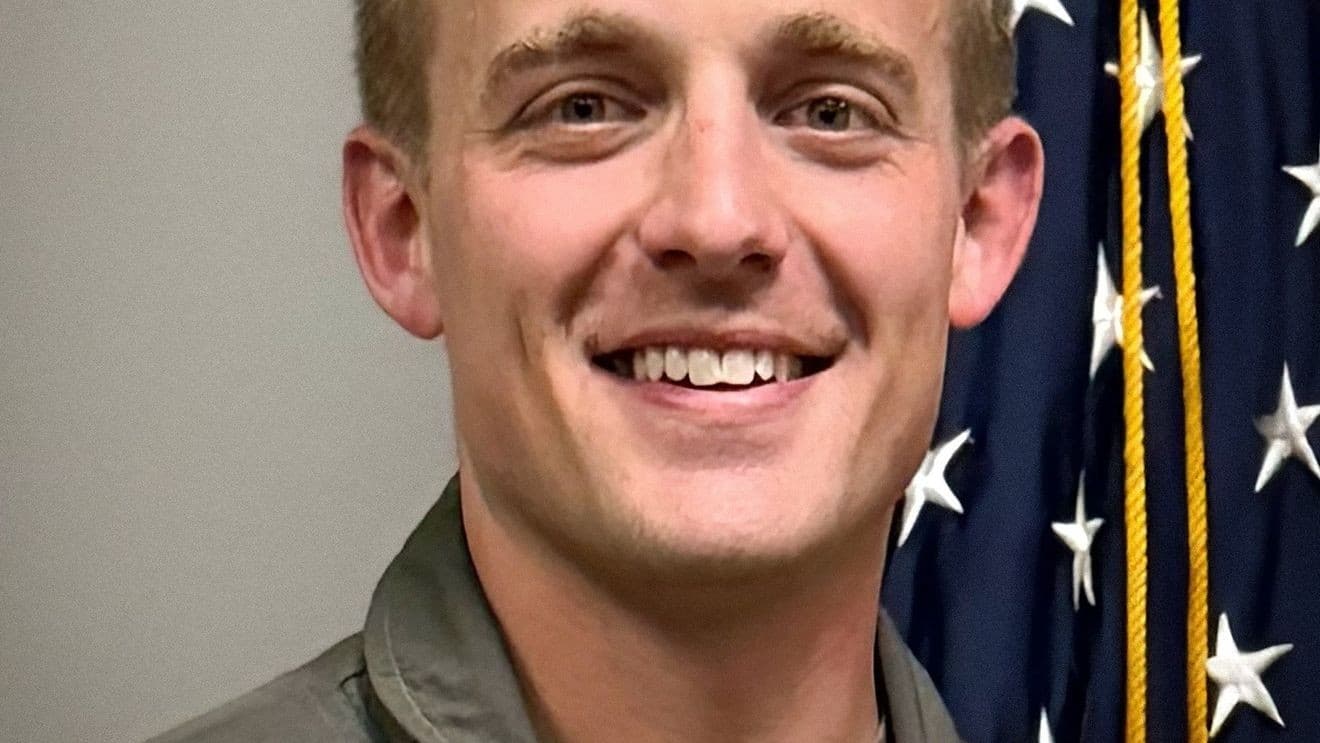
The other three were members of the 121st Air Refueling Wing at Rickenbacker Air National Guard Base in Columbus, Ohio: Capt. Seth R. Koval, 38, of Mooresville, Indiana; Capt. Curtis J. Angst, 30, of Wilmington, Ohio; and Tech. Sgt. Tyler H. Simmons, 28, of Columbus, Ohio.
Klinner, who had recently been promoted to major, leaves behind a wife and three young children, including seven-month-old twins.
Simmons was described by family as having an 'infectious smile' and was a boom operator with eight years of service.
Koval, a 19-year Air Force veteran, had begun his career as a mechanic before training pilots in aerial refueling operations.
Conflict Context
The crash occurred within the broader context of Operation Epic Fury, the U.S.-led military campaign against Iran that began on February 28, 2026.
“Select “More options” to see additional information, including details about managing your privacy settings”
This incident brings the total number of U.S. service members killed in the conflict to at least 13, with approximately 140 others wounded, including eight severely injured.
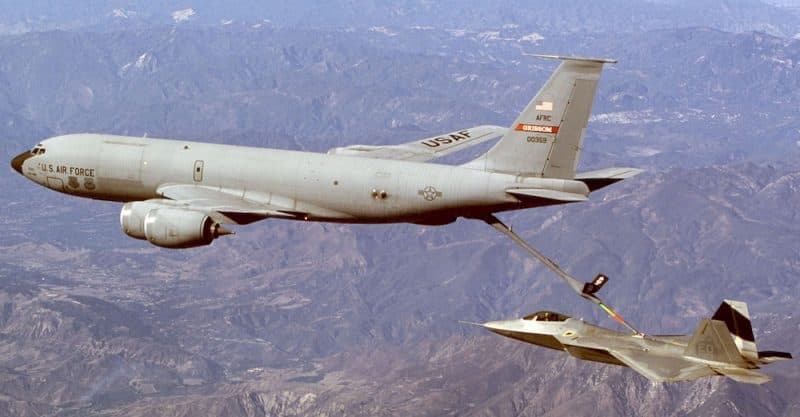
The KC-135 Stratotanker plays a crucial role in military operations by enabling aircraft to conduct longer combat missions through midair refueling capabilities.
The aircraft has been in service for over 60 years and represents a backbone of the U.S. Air Force's refueling fleet.
Iran-aligned groups, including the Islamic Resistance in Iraq, claimed responsibility for the crash, stating the aircraft was targeted by air defense systems.
However, U.S. military officials maintained that neither hostile nor friendly fire was involved, with some reports suggesting a possible midair collision as investigators began examining the incident.
The crash follows a friendly fire incident earlier in March where Kuwaiti forces mistakenly shot down three U.S. F-15 fighter jets, though all crew members survived that incident.
Aftermath and Tributes
In the aftermath of the crash, U.S. military officials have launched a comprehensive investigation while expressing condolences for the fallen airmen.
Defense Secretary Pete Hegseth described the crew as 'American heroes' and stated that 'war is hell' and 'war is chaos,' acknowledging the tragic nature of military operations.
The chairman of the Joint Chiefs of Staff, Gen. Dan Caine, emphasized the 'incredible sacrifice' made by service members and noted that the crew was on a combat mission but flying over friendly territory when the crash occurred.
Multiple military bases and officials have issued statements mourning the loss, with the 6th Air Refueling Wing at MacDill Air Force Base expressing that 'to lose a member of the Air Force family is excruciatingly painful.'
The Ohio National Guard similarly mourned the loss of three of its airmen, highlighting their contributions to air refueling operations.
The Pentagon has called for continued patience as the investigation unfolds, while families of the victims have begun sharing personal tributes and establishing support funds.
Aircraft Background
The KC-135 Stratotanker involved in the crash is a critical component of U.S. military aviation capabilities, particularly in extended combat operations.
“en EnglishUnited States Deutsch English Español Français Italiano العربية All languages Afrikaans azərbaycan bosanski català Čeština Cymraeg Dansk Deutsch eesti EnglishUnited Kingdom EspañolEspaña EspañolLatinoamérica euskara Filipino FrançaisCanada FrançaisFrance Gaeilge galego Hrvatski Indonesia isiZulu íslenska Italiano Kiswahili latviešu lietuvių magyar Melayu Nederlands norsk o‘zbek polski PortuguêsBrasil PortuguêsPortugal română shqip Slovenčina slovenščina srpski (latinica) Suomi Svenska Tiếng Việt Türkçe Ελληνικά беларуская български кыргызча қазақ тілі македонски монгол Русский српски Українська ქართული հայերեն עברית اردو العربية فارسی አማርኛ नेपाली मराठी हिन्दी অসমীয়া বাংলা ਪੰਜਾਬੀ ગુજરાતી ଓଡ଼ିଆ தமிழ் తెలుగు ಕನ್ನಡ മലയാളം සිංහල ไทย ລາວ မြန်မာ ខ្មែរ 한국어 日本語 简体中文 繁體中文 繁體中文香港 Sign in Sign in”
First introduced in 1957, the four-engine aircraft has served for over six decades as the primary aerial refueling platform for the Air Force, capable of transferring fuel to a wide range of aircraft including fighters, bombers, and surveillance planes.
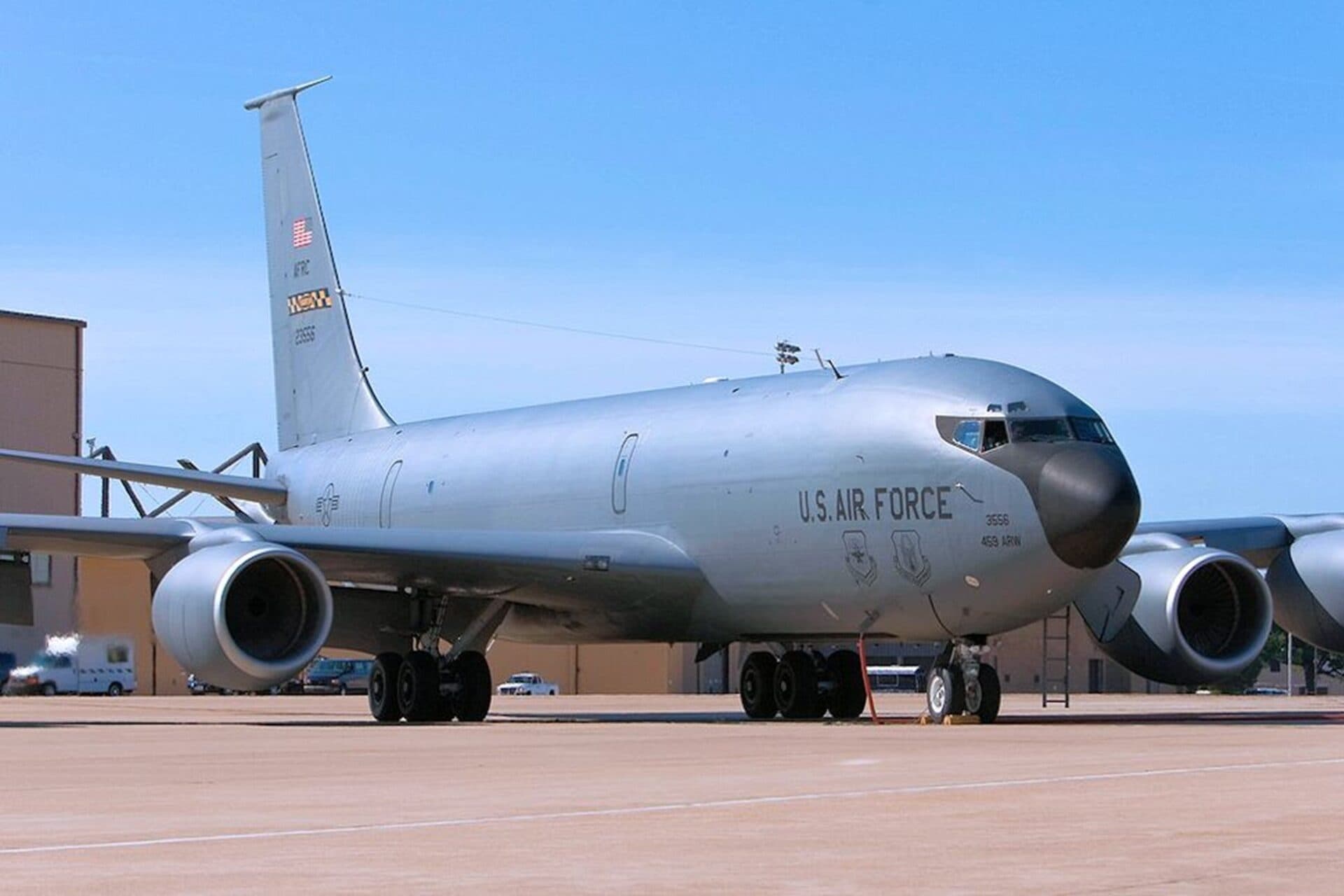
The aircraft typically carries a crew of three—a pilot, copilot, and boom operator—though some missions may require additional personnel.
Military experts note that KC-135s enable combat aircraft to operate longer distances and maintain extended missions without requiring ground stops, which is particularly valuable in the Middle East theater where operations span vast distances.
The crash raises questions about the aging fleet's reliability, as the Air Force continues to grapple with replacing these aging tankers.
Newer KC-46 aircraft have been introduced, but the KC-135 remains heavily utilized due to budget constraints and delivery delays with replacement programs.
The incident highlights the inherent risks of military aviation operations, particularly in complex environments where multiple aircraft are operating simultaneously during extended combat campaigns.
More on USA
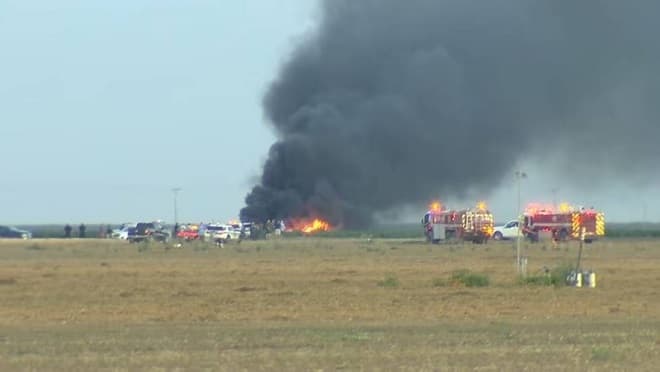
KC-135 crashes in Iraq during Iran operations, killing six U.S. Air Force airmen.
13 sources compared

FCC chair Brendan Carr Threatens Broadcasters' Licenses Over Iran War Coverage
18 sources compared

Cuba's Díaz-Canel Acknowledges Talks with U.S. as Energy Crisis Worsens
25 sources compared
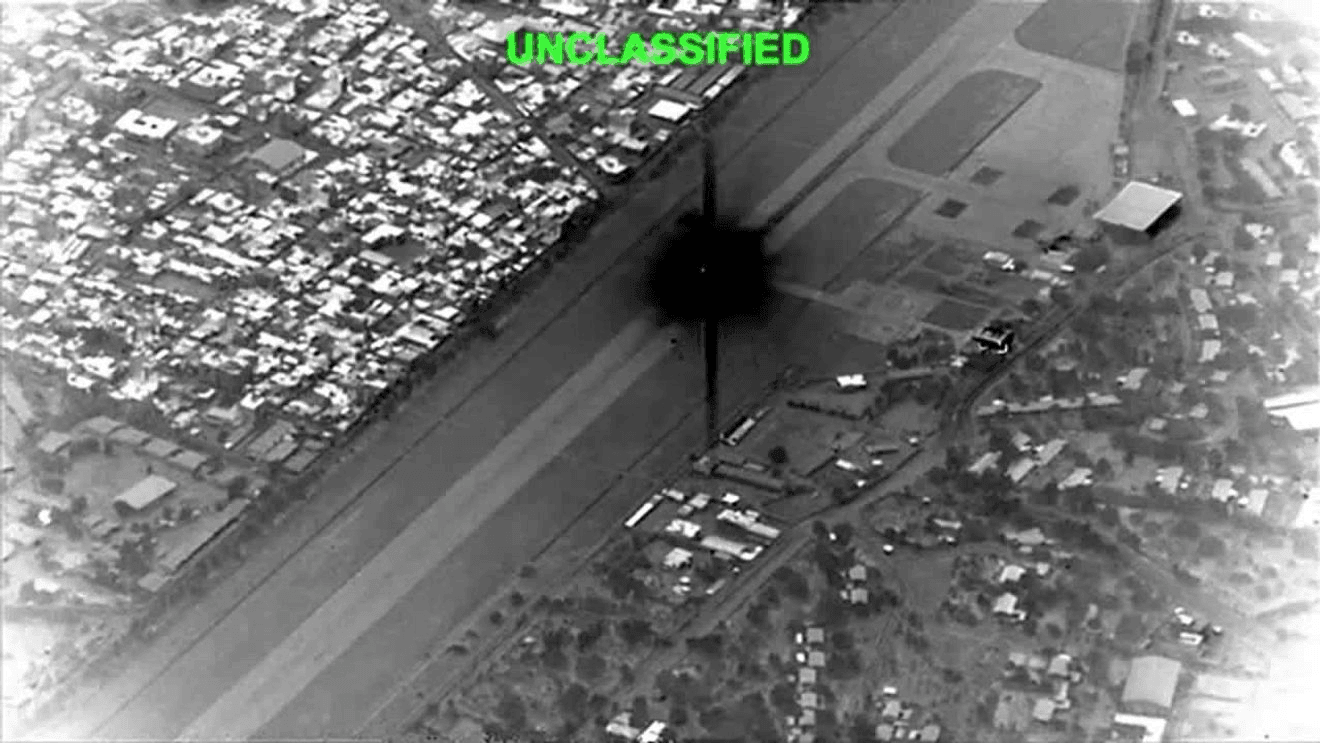
United States launches large-scale strike on Iran's Kharg Island, CENTCOM confirms.
14 sources compared