
Pentagon Ousts Navy Secretary John Phelan as US Navy Blocks Iranian Ports During Ceasefire
Key Takeaways
- Phelan fired; departure effective immediately, per Pentagon.
- Infighting with Hegseth over shipbuilding reform spurred ouster.
- Hung Cao named acting Navy Secretary.
Phelan Ousted as Blockade Continues
The Pentagon announced that Secretary of the Navy John Phelan was leaving his post “effective immediately” on Wednesday, as the United States Navy continued a blockade of Iranian ports during a ceasefire in the Iran war.
CNN reported that “Secretary of the Navy John Phelan was ousted from his position Wednesday,” citing “six sources familiar with the matter,” and said the timing was striking because the Navy was “carrying out a blockade of Iranian ports during a ceasefire.”
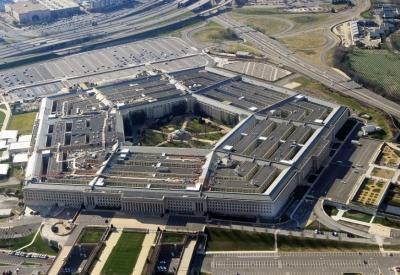
Pentagon spokesman Sean Parnell told the public that “On behalf of the Secretary of War and Deputy Secretary of War, we are grateful to Secretary Phelan for his service to the Department and the United States Navy,” and added, “Undersecretary Hung Cao will become Acting Secretary of the Navy.”
CNN also said that “Thus far, US forces have redirected 31 vessels to return to port and have also boarded two ships,” tying the personnel shakeup to active operations.
The Guardian similarly reported that the Pentagon said Phelan was “departing the administration, effective immediately,” and that Hung Cao would become acting secretary.
The Independent described the same departure as part of “the Strait of Hormuz stand-off continues,” and said Phelan was ousted while the Navy enforced a blockade in the Strait of Hormuz amid a tenuous ceasefire.
The Associated Press framing, as carried by El Nuevo Día, emphasized that “No reason was given for the unexpected departure,” even as the Navy imposed a blockade and targeted “Tehran-linked ships.”
Infighting, Shipbuilding, and Timing
Multiple outlets tied Phelan’s departure to internal Pentagon friction that intensified around shipbuilding priorities while the United States Navy was operating in the Iran war.
Politico reported that Phelan “abruptly left his job on Wednesday in part because a hugely expensive new battleship he championed sparked friction with his superiors — including Defense Secretary Pete Hegseth,” and said the “Trump Class” battleships were “a major source of frustration for Hegseth and Deputy Secretary Stephen Feinberg.”

CNN described a months-long tension, saying Hegseth believed Phelan was “moving too slowly on implementing shipbuilding reforms” and was “irked by Phelan’s direct communication with Trump, which Hegseth viewed as an attempt to bypass him.”
The Washington Post said Phelan was forced out after “repeated clashes with both Hegseth and Feinberg over his management of shipbuilding and a variety of other issues,” and noted that the Navy’s leadership disputes fit “a broader pattern of infighting that has occurred during Hegseth’s tenure leading the Pentagon.”
The Guardian added that sources told it Phelan was fired and that Hegseth blamed him “for not going aggressively enough against Senator Mark Kelly after appearing in a video in which the senator advised troops to ignore “illegal orders”.”
The Independent framed the ouster as the “second major leadership shakeup at the Pentagon since the Iran war began in late February,” and said Phelan’s exit came as “the U.S. Navy, now headed by Cao, is currently enforcing a blockade in the Strait of Hormuz.”
CNN also connected the timing to the Navy’s role in stopping Iranian ships from traversing the Strait of Hormuz, saying the announcement came even while the Navy was “carrying out a blockade of Iranian ports during a ceasefire.”
What Trump and Hegseth Said
CNN reported that the chain of command and personal dynamics inside the White House played a central role in Phelan’s removal, describing a direct intervention by President Donald Trump after a meeting with Defense Secretary Pete Hegseth.
CNN said that “Earlier, Hegseth had a conversation with Trump and informed Phelan he needed to resign or be fired,” and quoted a senior administration official saying, “President Trump and Secretary Hegseth agreed new leadership at the Navy is needed.”
CNN also reported that during a meeting between Trump and Hegseth on shipbuilding at the White House, Trump became convinced that Phelan needed to be replaced and told Hegseth to “take care of it,” because “Phelan is subordinate to the defense secretary.”
The Independent similarly quoted a senior administration official saying, “President Trump and Secretary Hegseth agreed new leadership at the Navy is needed,” and added that “Secretary Hegseth informed John Phelan of this news prior to it being made public.”
The Guardian, while not quoting Trump directly, said “People familiar with the dynamics at the Pentagon told the Guardian Phelan was fired,” and described a rocky relationship with Hegseth and senior staff who “openly appeared to prefer Cao for the role.”
The Washington Post said “Five officials said that Phelan, a billionaire art collector and fundraiser for President Donald Trump’s reelection campaign, was forced out after repeated clashes,” and described the announcement as abrupt after “13 tumultuous months at the Pentagon.”
CNN also included Trump’s later praise on Truth Social, writing, “John Phelan is a long time friend, and very successful businessman, who did an outstanding job serving as my Secretary Of The Navy for the last year,” and adding, “I very much appreciate the job that he has done, and would certainly like to have him back within the Trump Administration sometime in the future.”
Different Accounts of the Cause
While all outlets described the same immediate announcement—Phelan leaving “effective immediately” and Hung Cao becoming acting secretary—coverage diverged on why it happened and what mattered most.
CNN emphasized a combination of shipbuilding reform disputes and personal friction, saying Hegseth believed Phelan was “moving too slowly on implementing shipbuilding reforms” and was “irked by Phelan’s direct communication with Trump,” and it described the decision as culminating in a White House meeting where Trump told Hegseth to “take care of it.”

Politico, by contrast, focused on the “Trump Class” battleships, reporting that Phelan’s championing of a “hugely expensive new battleship” sparked friction and that the ships were “not at all aligned with where Hegseth and Feinberg want to go.”
The Washington Post described the dispute as clashes over shipbuilding plus other issues, saying Phelan was forced out after “repeated clashes with both Hegseth and Feinberg over his management of shipbuilding and a variety of other issues,” and it tied the timing to the Navy’s “$377 billion budget request for next year” unveiled a day earlier.
The Guardian reported that sources said Hegseth blamed Phelan for not acting aggressively enough against Senator Mark Kelly after the senator advised troops to ignore “illegal orders,” and it also said Pentagon officials did not offer a reason.
The Independent added a different angle by quoting Axios on a chain-of-command issue, saying “Phelan didn't understand he wasn't the boss,” and also said “His job is to follow orders given, not follow the orders he thinks should be given.”
MS NOW framed the situation as “further destabilizing the military during a war” and said it “confirmed that Phelan, who had spent Wednesday morning on Capitol Hill talking to members of Congress about the Navy’s budget proposal, was in fact fired,” while also citing a Wall Street Journal description of Phelan’s “close relationship” with Donald Trump.
Consequences for Navy and War Effort
The departure of Phelan and the shift to acting leadership under Hung Cao raised questions about continuity in Navy shipbuilding and the broader Pentagon leadership churn occurring during the Iran war.
CNN said the Navy’s role in stopping Iranian ships from traversing the Strait of Hormuz made the announcement especially consequential, and it reported that “Thus far, US forces have redirected 31 vessels to return to port and have also boarded two ships.”
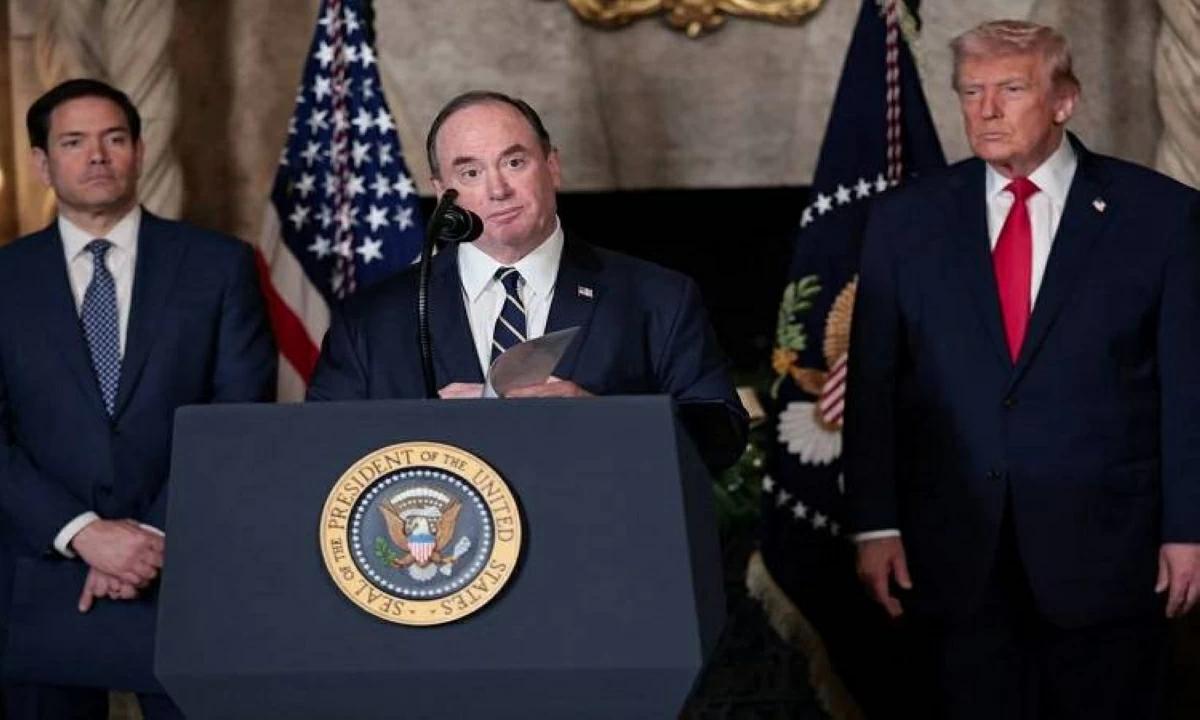
The Guardian described the blockade context directly, saying Phelan was leaving “just as the US navy has imposed a blockade of Iranian ports and is targeting ships linked to Tehran around the world during a tenuous ceasefire in the Iran war.”
The New York Times, in the excerpt provided, argued that Phelan’s firing “is not likely to have significant implications for the conduct of the Iran war or U.S. Navy operations to blockade Iranian ports or open the Strait of Hormuz,” while still noting that the turmoil could make it harder for the Navy to replenish “Tomahawk missiles andhigh-end air defense systems.”
The Washington Post tied the leadership shakeup to Navy procurement plans by reporting that the Navy’s budget request sought “more than $65.8 billion for shipbuilding” and included “18 new warships,” including funds to get a “Trump Class” of battleship underway.
Politico said Phelan’s responsibilities were being pulled away, reporting that “Feinberg had taken over management of submarine programs and the Office of Management and Budget was already running the shipbuilding effort,” and it said Phelan was in the White House lobby after the announcement and seen on Capitol Hill.
The Guardian also said Cao would become acting secretary and described his background, including that he “ran a failed US Senate bid in Virginia to try to unseat Tim Kaine” and that he is “a 25-year navy veteran who served in combat zones.”
More on USA

Kathy Hochul Bans New York State Employees From Prediction-Market Betting
15 sources compared

DOJ Inspector General Probes Justice Department Compliance With Epstein Files Transparency Act
14 sources compared

Gannon Ken Van Dyke Arrested Over Classified Bets on Operation Absolute Resolve Capture of Nicolás Maduro
31 sources compared

Two Groups Exchange Gunfire at Mall of Louisiana in Baton Rouge, Killing 1
19 sources compared