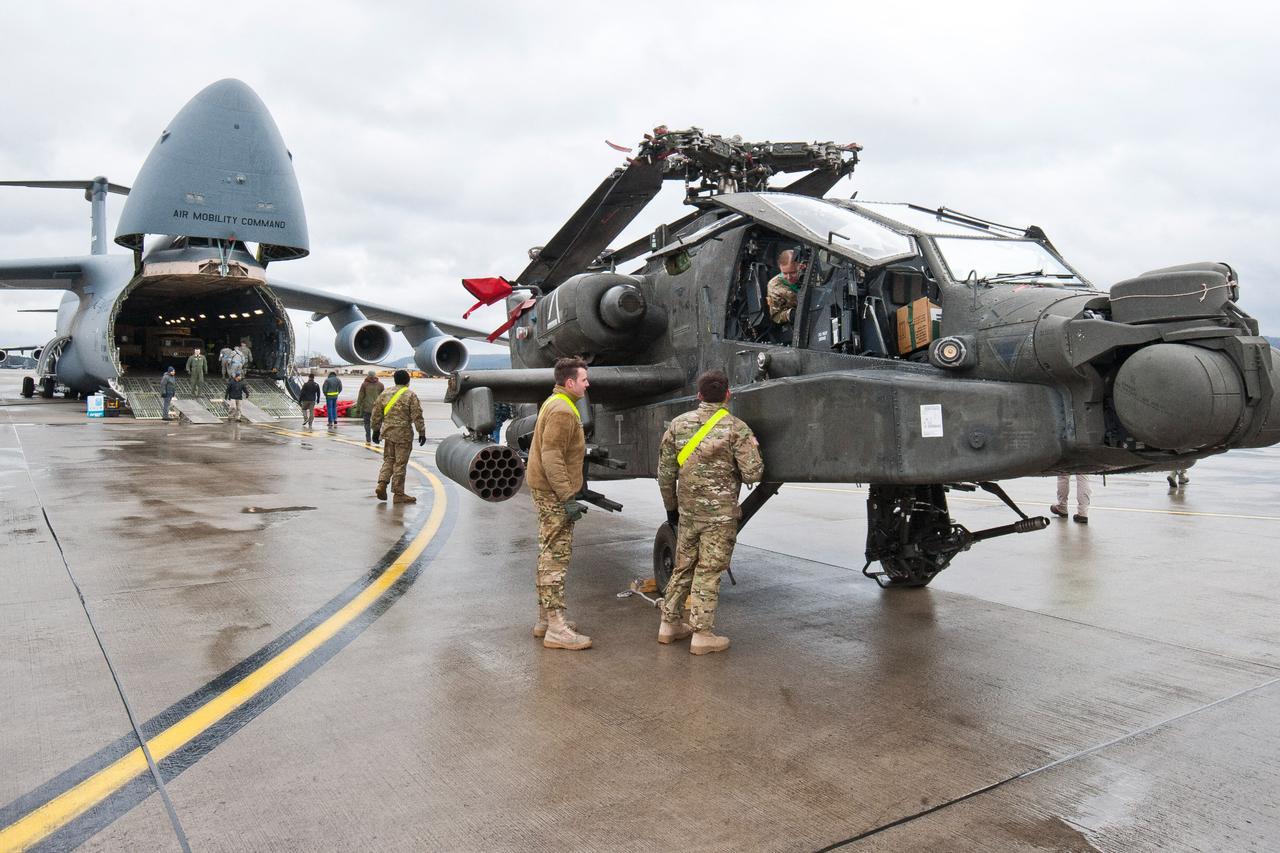
Pentagon Plans Withdraw 5,000 US Troops From Germany, Trump Faces Republican Backlash
Key Takeaways
- Pentagon to withdraw about 5,000 US troops from Germany within 6–12 months.
- Top Republican lawmakers condemn plan, saying withdrawal undermines deterrence against Russia.
- NATO seeks details; Europe urged to bolster defence amid drawdown.
Pentagon draws down 5,000
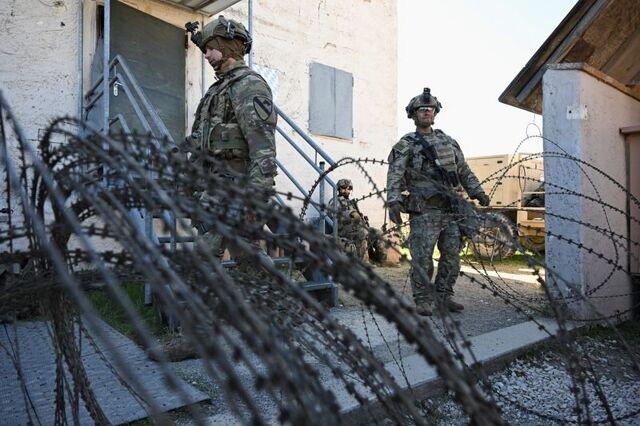
The Pentagon announced it would withdraw 5,000 US troops from Germany, a move that immediately triggered a dispute across Washington and NATO capitals and set off a new round of questions about deterrence and alliance cohesion.
“Home News Business Energy Opinion Lifestyle Sports Video Podcast Home News Business Energy Opinion Lifestyle Sports Video Podcast Close the sidebar Home News World News US Aircrafts are seen at the U”
The BBC reported that two senior US Republican lawmakers criticised the decision, saying it risked undermining deterrence and would send the wrong signal to Russia, with Roger Wicker and Mike Rogers arguing that “Rather than withdrawing forces from the continent altogether, it is in America's interest to maintain a strong deterrent in Europe by moving these 5,000 U.S. forces to the east.”
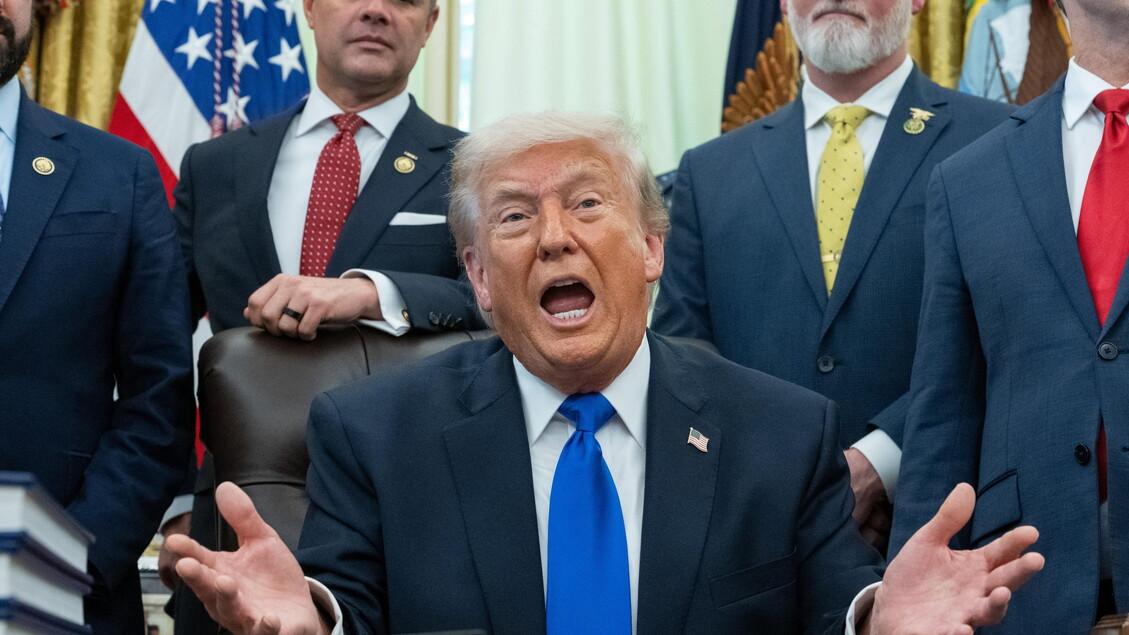
The Pentagon spokesperson Sean Parnell said the move followed a thorough review and recognised “theater requirements and conditions on the ground,” while the Pentagon also said the withdrawal was expected to be completed over the next six to 12 months.
The BBC also put the scale of the existing posture at “more than 36,000 active duty troops in Germany,” and noted that the US military deployment in Germany is by far its biggest in Europe, compared with about 12,000 in Italy and 10,000 in the UK.
In parallel, InsideNoVa reported that as of December 31, 2025 there were “36,436 active-duty US troops in NATO ally Germany,” compared to “12,662 in Italy and 3,814 in Spain.”
President Donald Trump, speaking Saturday, said “We're going to cut way down, and we're cutting a lot further than 5,000,” without providing additional details.
The dispute was also tied to the Pentagon’s stated timeline, with NATO saying it was “working with the US to understand the details of their decision on force posture in Germany,” and with the Pentagon spokesman saying the withdrawal was expected “to be completed over the next six to twelve months.”
Merz-Iran feud and review
The troop drawdown was announced against the backdrop of a wider transatlantic rift tied to the US war with Iran and to German Chancellor Friedrich Merz’s criticism of Washington’s approach.
The BBC said the “latest spat between Trump and Merz was triggered by comments by the German chancellor on Monday to students that 'the Americans clearly have no strategy'” and added that Merz said the “entire nation” was being “humiliated” by Iran.
The BBC then described Trump’s response on Truth Social, saying Merz thought it was “OK for Iran to have a Nuclear Weapon” and “doesn't know what he's talking about,” before the troop withdrawal announcement followed and the Pentagon said it came from Defence Secretary Pete Hegseth.
The Business Times reported that the Pentagon announced the drawdown on Friday as “a rift over the Iran war and tariff tensions placed further strain on relations between the US and Europe,” and it also said a Biden-era plan to deploy a US battalion with long-range Tomahawk missiles to Germany had been dropped.
The Business Times quoted Trump’s remarks to reporters in Florida: “We’re going to cut way down and we’re cutting a lot further than 5,000,” and it said the Pentagon did not specify which bases would be affected.
Reuters reporting as carried by Global Banking & Finance Review framed the lawmakers’ concerns as a response to the Pentagon’s decision and to Trump’s threats earlier in the week after sparring with Merz, who said the Iranians were humiliating the US in talks to end the two-month-old war.
InsideNoVa added that the move followed the spat between Trump and Merz, and it quoted Pentagon spokesman Sean Parnell saying the withdrawal was expected “to be completed over the next six to twelve months.”
In parallel, the BBC linked the troop decision to NATO’s need for clarification from Washington, with NATO seeking “clarification” and a Nato spokesperson later saying the alliance was working with the US to understand the details.
Republicans, NATO, and Pistorius
Reactions to the drawdown came from both sides of the US political spectrum and from NATO, with German officials urging Europe to shoulder more responsibility while Republican committee leaders argued the timing was dangerous.
“Germany troop cuts send wrong signal to Russia, say two top US Republicans Two senior US Republican lawmakers have criticised a decision by the Pentagon to cut 5,000 US troops stationed in Germany, saying it risked undermining deterrence and would send the wrong signal to Russia”
The Business Times quoted German Defence Minister Boris Pistorius saying the planned drawdown should “spur Europe to strengthen its own defences,” and it also reported Pistorius stressing that “We Europeans must take on more responsibility for our own security,” while adding “Germany is on the right track” by expanding armed forces, speeding up procurement, and building infrastructure.
The BBC reported that speaking to DPA, Pistorius stressed “the presence of American soldiers in Europe, and particularly in Germany, is in our interest and in the interest of the US.”
NATO’s response was to seek clarification and to frame the adjustment as a call for more European investment, with NATO spokesperson Allison Hart writing on X that the adjustment “underscores the need for Europe to continue to invest more in defence and take on a greater share of the responsibility for our shared security.”
The Hill and Reuters-derived Global Banking & Finance Review both carried the same joint statement from Senate Armed Services Committee chair Roger Wicker and House Armed Services Committee chair Mike Rogers, warning that “Prematurely reducing America's forward presence in Europe before those capabilities are fully realised risks undermining deterrence and sending the wrong signal to (Russian President) Vladimir Putin.”
The Hill added that Wicker and Rogers said Germany had responded to Trump’s call for burden sharing by “significantly increasing defense spending and providing seamless access, basing, and overflight for U.S. forces in support of Operation Epic Fury.”
InsideNoVa reported that NATO said it was “working with the US to understand the details of their decision on force posture in Germany,” and it quoted NATO’s spokeswoman Allison Hart on X to underscore Europe’s responsibility.
The dispute also drew in Polish Prime Minister Donald Tusk, who warned that “The greatest threat to the transatlantic community are not its external enemies, but the ongoing disintegration of our alliance,” and called on members to reverse “this disastrous trend.”
Trump threatens deeper cuts
Beyond the initial 5,000-troop withdrawal, Trump signaled that additional reductions could follow, intensifying the concern among allies and Republican lawmakers.
Al Arabiya English reported that Trump said he plans to cut the US military presence in Germany by more than the 5,000-troop drawdown announced so far, quoting him as saying “We’re going to cut way down,” and “we’re cutting a lot further than 5,000.”
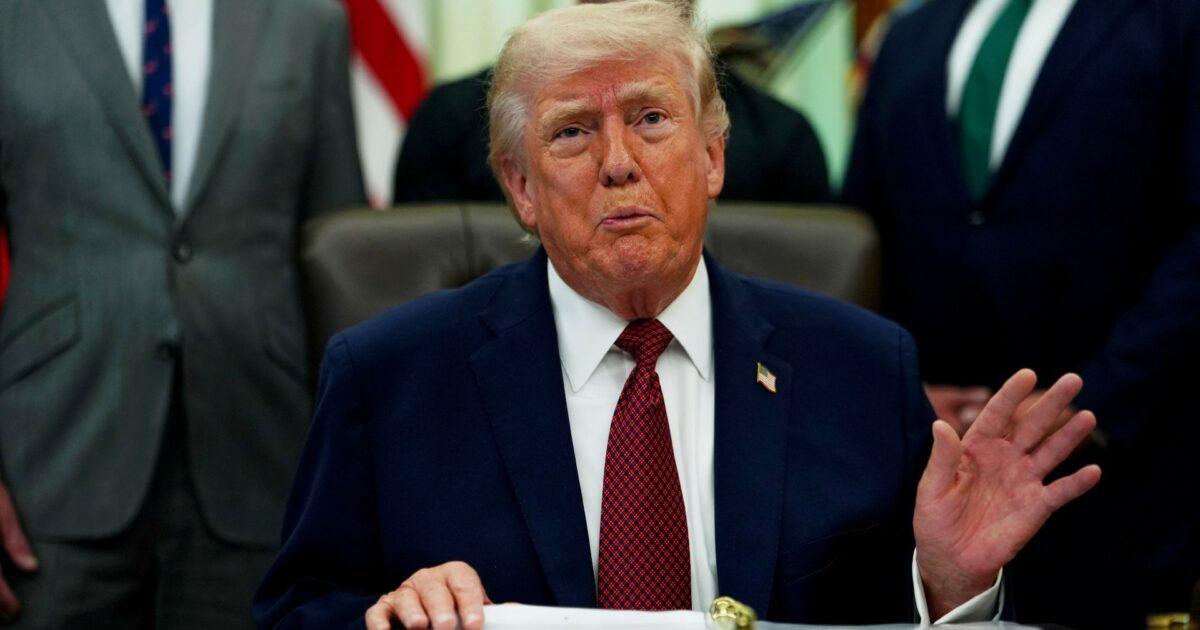
InsideNoVa similarly said Trump “doubled down” on the decision and again quoted him: “we're going to cut way down, and we're cutting a lot further than 5,000.”
The same InsideNoVa report linked the move to the Middle East war and to Trump’s broader posture threats, stating that the decision “came as Trump announced that tariffs on cars and trucks from the European Union would jump from 15 percent to 25 percent next week,” and it said Trump accused the bloc of failing to comply with a trade deal signed last summer.
Al Arabiya English also described Trump’s frustration with European nations, saying he had grown increasingly frustrated with European nations, accusing them of ignoring his requests for help in the US war with Iran and to reopen the Strait of Hormuz.
It further reported that Trump’s previous attempt to remove forces from Germany in 2020 was blocked by legislation and that the latest order is likely to face similar opposition in Congress.
The Guardian’s “Trump news at a glance” framed the immediate political reaction as a rare rebuke from within the president’s own party, noting that Wicker and Rogers said they were “very concerned” about “the decision to withdraw a US brigade from Germany.”
ANSA reported that when asked in the Oval Office whether a troop reduction could apply to Rome and Madrid, Trump replied “probably,” and it quoted him: “Italy has not been of any help. And Spain has been terrible.”
What happens next
The sources describe a near-term process of oversight, clarification, and potential congressional engagement as the withdrawal approaches, with multiple outlets emphasizing the need for deliberate review and for NATO to understand the force posture changes.
“Non solo la Germania, anche Italia e Spagna potrebbero presto vedere un parziale ritiro delle truppe americane dal proprio territorio”
The Hill reported that Wicker and Rogers said they “expect the Department to engage with its oversight committees in the days and weeks ahead on this decision and its implications for U.S. deterrence and transatlantic security,” and it added that the chairmen insisted that “significant” changes to the U.S.’s posture in Europe demand “a deliberate review process.”
Global Banking & Finance Review similarly said the lawmakers warned that any significant change must be reviewed and coordinated with Congress and U.S. allies, and it quoted their statement that “We expect the Department to engage with its oversight committees in the days and weeks ahead on this decision and its implications for U.S. deterrence and transatlantic security.”
NATO’s immediate next step was to seek details, with the BBC saying the Nato military alliance was seeking clarification from Washington and with NATO spokesperson Allison Hart writing that the alliance was working with the US to understand the details of the troop withdrawal decision.
The Business Times reported that the Pentagon’s announcement did not say which bases would be affected, nor whether troops would return to the US or be redeployed within Europe or elsewhere, leaving open questions that NATO said it was trying to resolve.
The BBC also reported that the US has more than 36,000 active duty troops in Germany and that the Pentagon expected completion over the next six to 12 months, meaning the timeline itself is a key near-term marker.
For Germany, Pistorius framed the drawdown as a spur to increase European responsibility, saying “Germany is on the right track” and urging Europe to take more responsibility, while the BBC also reported that the Nato spokesperson said the adjustment “underscores the need for Europe to continue to invest more in defence.”
Meanwhile, the dispute is entangled with broader US pressure on Europe, as InsideNoVa tied the troop decision to Trump’s tariffs plan and as the BBC connected the troop move to Trump’s criticism of Merz over Iran negotiations.
More on USA
Cole Allen Procesado Por Intento De Asesinato De Donald Trump En Gala De Prensa
11 sources compared
AFRICOM Says Two U.S. Service Members Missing Near Cap Draa Training Area in Morocco
22 sources compared
Trump Threatens To Take Control Of Cuba With USS Abraham Lincoln After Iran Operations
15 sources compared

Former Employee Drives Explosives-Filled Car Into Multnomah Athletic Club, Kills Driver in Portland
11 sources compared