USA · 01 May, 2026 · 6 min read
Trump Threatens To Take Control Of Cuba With USS Abraham Lincoln After Iran Operations
Trump threatened to take control of Cuba almost immediately after Iran operations. Proposed deploying an aircraft carrier off Cuba's coast to pressure surrender.
Framing of sanctions: “secondary sanctions/extraterritorial blockade” vs. general “expanded sanctions”.
10 of 11 outlets skipped it: trump is described as considering a “peaceful takeover” of Cuba (wording choice used by some coverage).
15outlets compared
Same story, two versions
tap a side to read it in full
elciudadano
““It is accompanied by a government program costing millions that deploys a cognitive war against the Cuban people, aimed at spreading disinformation, disorienting, demobilizing, breaking national identity, and patriotic spirit,””Read the original ↗
The Economic Times
““The comments drew laughter from parts of the audience but also raised eyebrows, given ongoing tensions involving both Iran and Cuba.””Read the original ↗
Some coverage frames the conflict as purely military/economic (carrier + sanctions), while elciudadano adds a specific governance/psychological operations (“cognitive war”) narrative, changing how readers understand the scope and intent of U.S. pressure.
Trump’s carrier threat
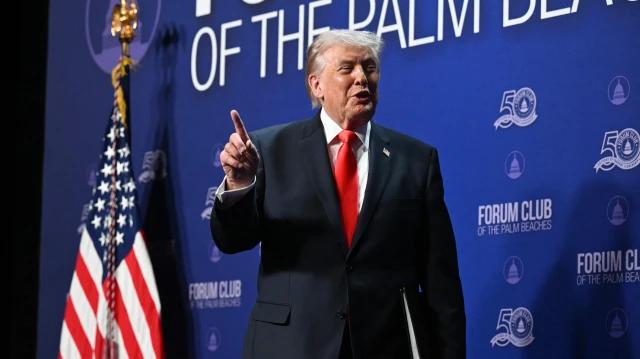
Donald Trump escalated his rhetoric toward Cuba by saying the United States could take control of the island “almost immediately,” linking any move to what he described as operations in Iran.
“one of America’s aircraft carriers could stop near Cuba and force a surrender”
At an event hosted by the Forum Club in the Palm Beaches, Trump said that after dealing with Iran, “one of America’s aircraft carriers could stop near Cuba and force a surrender,” according to The Economic Times.T
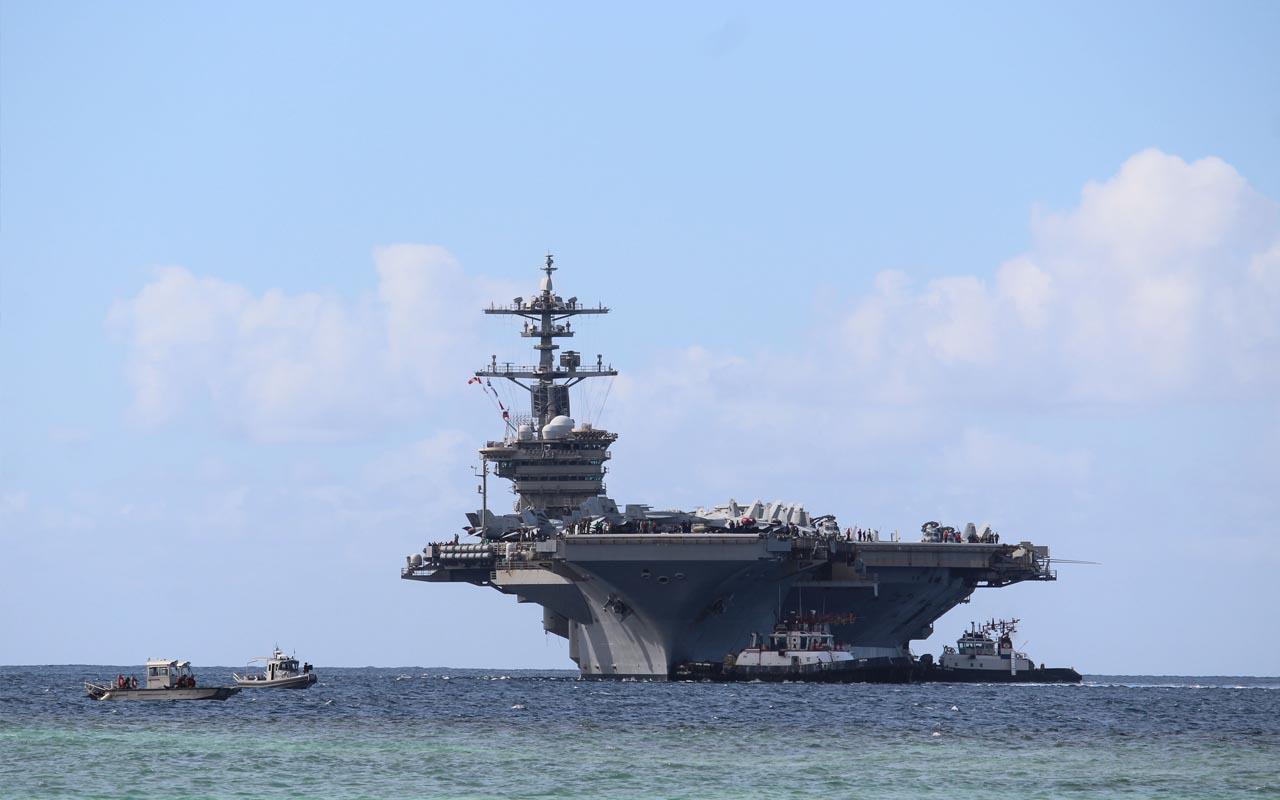
Multiple outlets reported that Trump described the aircraft carrier USS Abraham Lincoln approaching to within “about 100 meters from the coast” and that Cubans would respond, “thank you very much, we surrender.”
La Presse similarly reported that Trump reiterated his threat of “prendre le contrôle” of Cuba and suggested an aircraft carrier could stop there “sur le chemin du retour d’Iran.”
Cadena 3 Argentina framed the same remarks as Trump saying he would “take control” of Cuba “almost immediately” after finishing the “work” in Iran, and it quoted him saying the ship could stop “about 100 meters off the coast.”
Anadolu Ajansı added that Trump said the carrier would stop “about 100 yards from the coast” and that “They will say 'thank you very much, we give up'.”
In parallel with the military messaging, outlets also tied the remarks to new U.S. sanctions announced the same day, with The Economic Times saying the administration announced expanded sanctions targeting Cuba’s government and sectors linked to energy, defence, and finance.
Sanctions and legal pressure
Alongside the carrier threat, Trump signed a new executive order that expanded sanctions against Cuba and targeted banks and foreign entities involved in sanctioned Cuban transactions.
CubaHeadlines reported that Trump signed the order on Friday and that it “imposed secondary measures on banks and foreign entities involved in sanctioned Cuban transactions, warning of potential account closures on Wall Street.”

The Economic Times likewise said the administration announced expanded sanctions targeting Cuba’s government, officials, and sectors linked to energy, defence, and finance.T
La Presse described the sanctions as being included in a presidential decree and said they targeted “notamment les banques étrangères qui collaborent avec le gouvernement cubain” and imposed restrictions in immigration.
América TeVé said the executive order “Bloquea bienes vinculados al régimen cubano en EE.UU.” and expanded sanctions to sectors like energy and finance, while also restricting visas for officials and collaborators.
La Crónica de Hoy reported that the same day’s executive order expanded sanctions focusing on “secteurs tels que energy, defense, mining, and financial services,” and it said the provision imposed “un total asset freeze” in the United States on any company or person maintaining operations in those sectors or tied to the Havana government.
CNews added that Trump signed a decree stating the United States could impose tariffs on countries selling oil to Havana, citing an exceptional threat that Cuba would pose to U.S. national security.
Cuban response and unity
Cuban officials and the Cuban Communist Party responded to Trump’s threats and the sanctions package with language that framed the measures as coercion and collective punishment.
“there will be no surrender in Cuba”
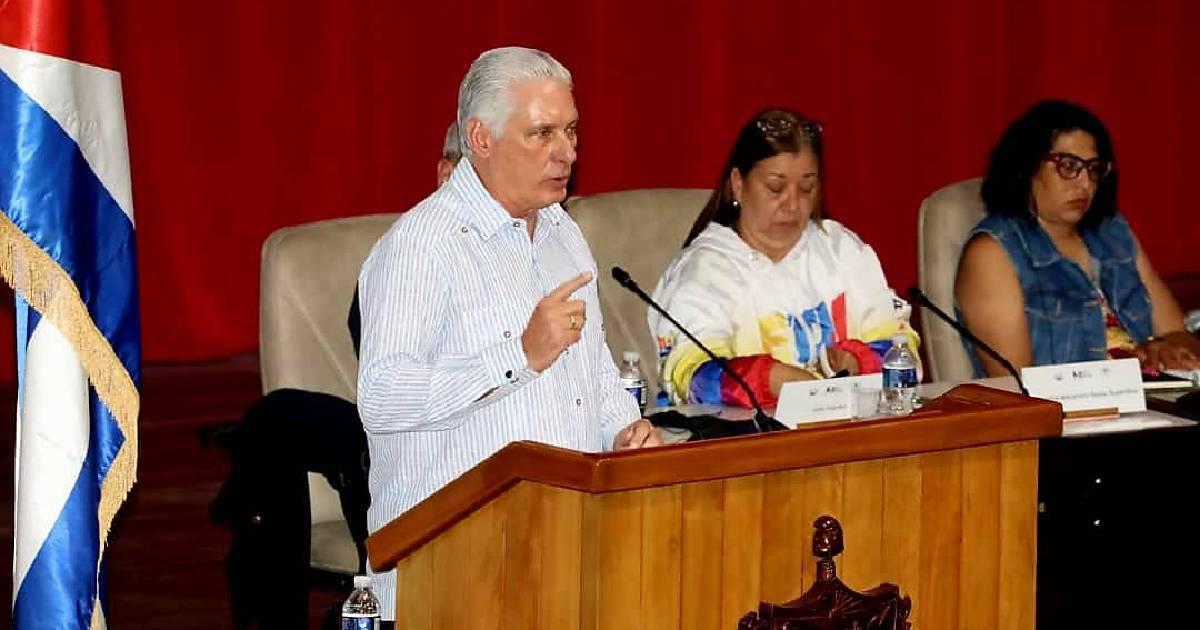
CubaHeadlines reported that the Cuban Communist Party issued a statement on X declaring, “there will be no surrender in Cuba,” and it said the statement emphasized the island’s commitment to defending “dignity, sovereignty, independence, and the right to self-determination of its people.”
The same report said the party’s statement quoted Miguel Díaz-Canel and used hashtags including #LaPatriaSeDefiende and #CubaNoEstáSola, while responding to threats from President Donald Trump.
It also reported that Díaz-Canel accused the United States of “moral poverty” and described the measures as a “brutal genocidal blockade,” while Foreign Minister Bruno Rodríguez called them an “illegal and abusive collective punishment.”
In a separate account, elciudadano quoted Cuban Foreign Minister Bruno Rodríguez Parrilla denouncing an “absolute energy blockade” as an “act of war,” and it said he warned that the U.S. aimed to “cause hunger, despair, and the overthrow of the government.”E
Elciudadano also reported Rodríguez Parrilla’s claim that Trump said the USS Abraham Lincoln would come to within “about 100 yards, around 90 meters from the coast of Cuba,” and it quoted Trump’s reported line that Cubans would say, “Thank you, we surrender.”E
The same elciudadano piece tied the response to mass mobilization, quoting Rodríguez Parrilla saying “over 500,000 in Havana, and more than 5 million Cubans across the country” demonstrated unity and readiness to defend the Revolution “with ideas or arms.”
Congress and diplomatic friction
The U.S. political and diplomatic environment around Cuba also shifted as Trump’s threats were paired with legislative and State Department messaging.
La Crónica de Hoy said that on the same day as the executive order expanding sanctions, the Cuban government held its May Day rally near the U.S. Embassy in Havana, and it reported that “more than half a million people” participated according to official figures.

Cadena 3 Argentina reported that Secretary of State Marco Rubio accused Havana of facilitating the presence of intelligence services of “the adversaries” of the United States “90 miles from its territory,” and it said Rubio warned that the situation “will not be tolerated.”
Cadena 3 Argentina also said the U.S. Senate rejected on Tuesday a proposal by the Democratic opposition that sought to limit possible military operations that the president could order over Cuban territory.
LA17 similarly described that the Senate rejected a Democratic initiative seeking to limit the president’s ability to order military actions against Cuba, and it said that decision “leaves the door open to potential measures with no further restrictions.”
CNews added that Trump had halted deliveries of Venezuelan oil to Cuba since Nicolás Maduro’s capture in January and then signed a decree allowing tariffs on countries selling oil to Havana, tying Cuba’s pressure to broader regional actions.
La Presse reported that discussions between the two countries had taken place on April 10 in Havana at a high diplomatic level, and it said a U.S. official also met with Raul Guillermo Rodriguez Castro, the grandson of Raul Castro, who was present at the May Day parade.
Regional context and stakes
The carrier threat toward Cuba was presented in the sources as part of a broader U.S. posture tied to Iran and other regional conflicts, with multiple reports linking the timing of any Cuba action to the conclusion of operations in the Middle East.
“perhaps we will see a peaceful takeover of Cuba”
CNews described Trump as negotiating with Iran while also pushing for a deal with Cuba, and it quoted Trump telling reporters, “The Cuban government is talking with us, and they have very big problems, as you know. They have no money, they have nothing right now, but they are talking with us and perhaps we will see a peaceful takeover of Cuba.”
It also said Trump signed a decree stating the United States could impose tariffs on countries selling oil to Havana, citing an exceptional threat that Cuba would pose to U.S. national security.
L’Indépendant reported that U.S.–Iran tensions were intensifying with the deployment of a second aircraft carrier to the Middle East, stating that the USS Gerald R. Ford and its escort ships would be sent to the Middle East from the Caribbean, and it noted that the White House and Pentagon did not immediately respond to Reuters’ request for comment.
Anadolu Ajansı explicitly tied Trump’s Cuba remarks to the Iran conflict, saying the initiative would come after the American-Israeli conflict against Iran and that Washington would deploy a military vessel on the return journey.
In Cuba-focused reporting, elciudadano said Rodríguez Parrilla warned of “unprecedented secondary sanctions” aimed at intimidating any entity worldwide that engages in commerce with Cuba, calling it “an extremely aggressive and unprecedented step in the extraterritorial application of the blockade.”E
La Presse added that Cuba’s energy situation was being affected by U.S. measures, stating that Washington had imposed since January a “blocus pétrolier” and that it had “n’ayant autorisé depuis lors l’arrivée que d’un seul pétrolier russe.”