South America21 April, 20268 min read
Peru Election Chief Piero Corvetto Resigns After April 12 Vote Logistics Failures
This article is an automated aggregation of coverage from news outlets. Our editorials offer in-depth analysis curated by the NewsCord team.
Piero Corvetto resigned as head of Peru's ONPE amid operational problems during April 12 vote. Resignation amid long-delayed results as vote count dragged on.

Resignation Amid Vote Chaos
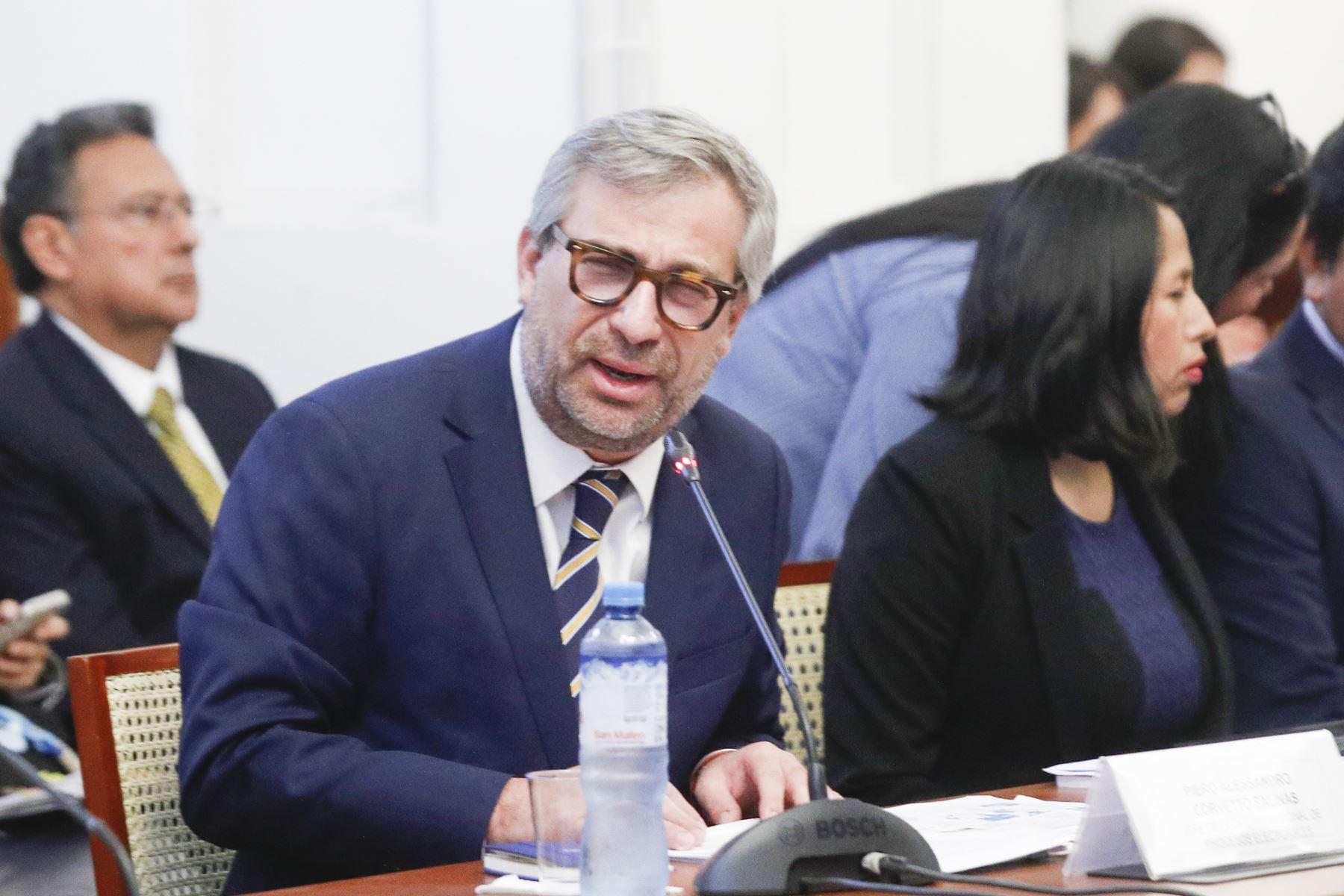
Peru’s election chief resigned Tuesday as frustration mounted over a chaotic general election earlier this month, with vote counting still under way and no clear presidential winner named more than a week after voting took place. Piero Corvetto, head of the National Office of Electoral Processes (ONPE), said in a social media post that he was stepping down, and he framed the move as necessary to “generate more confidence” ahead of the runoff. In a letter sent to the National Board of Justice (JNJ), Corvetto denied that irregularities had taken place, while explaining that operational technical problems during the April 12 election prompted his resignation.
The AP reported that the April 12 vote had to be extended for an additional day after ONPE failed to deliver voting materials to more than a dozen centers in Lima, preventing more than 52,000 people from casting ballots on time. Reuters reported that Corvetto’s resignation came as pressure grew over long-delayed results, and it said the ONPE chief had previously acknowledged logistical delays but denied any irregularities. Peru’s National Jury of Elections (JNE) said the voting results will be finalised no later than May 15, with the top two presidential candidates advancing to the final round scheduled for June 7.
With 93.8% of votes counted, Reuters and the AP both described Keiko Fujimori leading with about 17% of the vote, while Roberto Sanchez and Rafael Lopez Aliaga remained locked in a tight contest for second place. The resignation also landed in a broader political context described by the Buenos Aires Herald, which said the country has seen “eight presidents in the last decade,” and it reported that pressure has focused on ONPE chief Piero Corvetto after logistical failures during the electoral process.
Logistics Failures and Delayed Count
The resignation was tied directly to the operational problems that disrupted Peru’s April 12 general election and extended voting hours, with ONPE still counting and reviewing ballots as the runoff date approached. The AP said voting was extended for an additional day after the agency failed to deliver voting materials to more than a dozen centers in Lima, a problem that prevented more than 52,000 people from casting their ballots on time. Reuters reported that delays to the official count prompted fraud allegations from several candidates and calls for Corvetto to be replaced from business leaders and lawmakers, while European Union election observers said last week they found no evidence of fraud.
The Al Jazeera report said the first round held on April 12 was marred by logistical issues that led to the extension of voting hours around the capital Lima and elsewhere, and it added that election observers acknowledged missteps but cautioned there was no firm evidence of fraud. In its account of the resignation letter, Agencia Peruana de Noticias said Corvetto wrote that “operational technical problems arose during the deployment of electoral materials in certain areas of Metropolitan Lima on election day, April 12,” and it quoted him saying he considered it “necessary and unavoidable to resign.” The same resignation letter, as reported by Agencia Peruana de Noticias, said Corvetto had been in the role since August 31, 2020, and it said he asked that his resignation be accepted “as soon as possible” because “citizens and political actors require certainty regarding our immediate future.”

The Buenos Aires Herald added that ONPE said about 5% of ballots had been set aside for review because of missing information or inconsistencies in polling-station records, and it said those votes must be examined by a special electoral panel before being added to the official tally. Across the reporting, the JNE deadline for final results was repeatedly emphasized, with the JNE saying final results would not be known before May 15 even as nearly 94% of ballots had already been counted.
Denials, Accusations, and EU Findings
While Corvetto denied wrongdoing, multiple political figures and institutions used the delayed count to argue over fraud and accountability, creating a sharp divide between allegations and official findings. Corvetto’s letter, as reported by Reuters, said it was “necessary and unavoidable” for him to step down to ensure the June 7 runoff is conducted “in a context of greater public confidence,” and it said he denied that any irregularities took place. The AP described Corvetto denying any wrongdoing but tying his resignation to logistical problems that affected the April 12 election, and it said he sent a letter to Peruvian authorities.
The Al Jazeera report said Corvetto denied that irregularities had taken place as some politicians alleged, while explaining he was leaving to increase public confidence ahead of the second round on June 7. On the accusations side, the AP reported that ultraconservative former mayor of Lima Rafael López Aliaga challenged partial results saying, without providing any evidence, that a “gigantic fraud” was committed by Peruvian officials and called for a “complementary” election. The Orange Actualités report said López Aliaga’s accusation of fraud was raised in the context of protests and final results still awaited, and it quoted a vice-presidential candidate’s demand that “those responsible who betrayed the homeland must face the consequences of the blow to our democracy with elections that were completely opaque.”
At the same time, European Union election observers were cited across outlets as finding no objective evidence of fraud, with Reuters saying the European Union election observers “found no evidence of fraud,” and the AP saying the EU mission did not find any evidence of a fraudulent vote count. Even as the EU findings were repeated, the political pressure on ONPE remained, with Reuters reporting that delays prompted fraud allegations and calls for Corvetto to be replaced, and with the JNE filing a criminal complaint against Corvetto and other ONPE officials for violations of the right to vote and obstruction to the smooth conduct of the election.
Numbers and Tight Runoff Race
As vote counting dragged on, the reporting converged on a tight runoff race for second place while Keiko Fujimori remained in front, and the remaining uncertainty centered on how quickly the JNE would finalize results by May 15. The AP said with 93.8% of votes counted, conservative leader Keiko Fujimori was leading with 17.04% of the vote, and it said Roberto Sánchez was in second place with 12.01% while Rafael López Aliaga followed with 11.91%. Reuters similarly described Fujimori holding about 17% with nearly 94% of ballots tallied, and it said Sanchez and Lopez Aliaga remained locked in a tight contest for second place with 12.0% and 11.9% respectively.
The Al Jazeera report said right-wing candidate Keiko Fujimori leads with about 17 percent of the vote and is likely to advance, while it described Roberto Sanchez and Rafael Lopez Aliaga as virtually tied with 12 percent and 11.9 percent respectively. The Buenos Aires Herald reported that Keiko Fujimori secured a place in the June runoff and said ONPE reported she was leading the count with 17% of the vote, while it said it was not clear who she would face because the battle for second place remained extremely tight. It said the two candidates were separated by roughly 13,000 votes, and it described the runoff scheduled for June 7 as required because no candidate won more than 50% in the first round.

Orange Actualités added that the right-wing candidate Keiko Fujimori led the radical left candidate Roberto Sánchez and Rafael López Aliaga in a tight race for second place, separated by barely 15,000 votes in favor of Sánchez. In addition to the percentages, the AP and Reuters both described how officials were still counting votes and sifting through tally sheets arriving from remote areas and Peruvian consulates abroad.
Institutional Fallout and Next Steps
The resignation triggered legal and institutional follow-on actions while the country prepared for a June 7 runoff, and multiple outlets described how investigations and complaints were already moving. The Orange Actualités report said that after resigning, Corvetto went to the public prosecutor's office, where he was summoned as part of the inquiry into the electoral malfunctions, and it said he voluntarily handed back his passport. It also reported that the JNE filed a complaint against Corvetto and several other ONPE officials for violations of the right to vote and obstruction to the smooth conduct of the election, and it said the JNE stated final results would not be known before May 15 even though nearly 94% of ballots had already been counted.
Dhaka Tribune-style local reporting in the DHnet dispatch similarly said the National Electoral Jury filed a complaint against him and several other officials of the ONPE for violation of the right to vote and for hindering the proper conduct of the vote, and it said investigators had visited the organization’s offices as part of these investigations. The Buenos Aires Herald added that Peru’s National Jury of Elections had filed a criminal complaint with prosecutors against Corvetto, alleging possible offenses including violations of voting rights, and it said police opened an investigation after materials from four polling stations were found on a public road in Lima on Thursday. In parallel, the resignation letter itself, as reported by Agencia Peruana de Noticias, said Corvetto hoped his resignation would help generate “a climate of greater confidence toward the elections,” and it said he was sure that whoever succeeds him will help build an appropriate political environment for the successful holding of the presidential runoff.
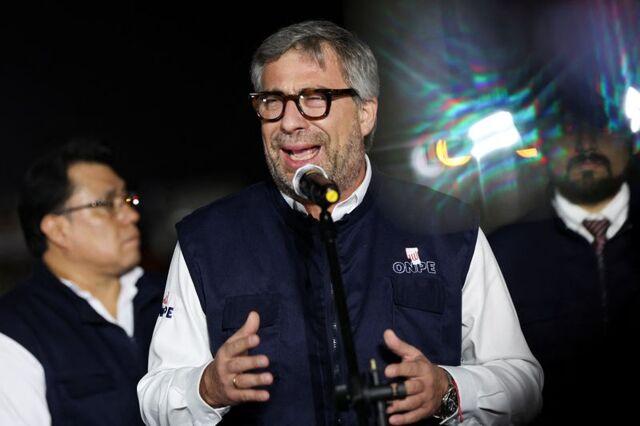
The same letter said preparations for the second round have already begun, and it said only a few weeks remain before it is held. With the runoff scheduled for June 7 and the top two candidates still being finalized, the stakes described by the reporting were tied to public confidence, the handling of contested ballots, and the legitimacy of the second-round process.