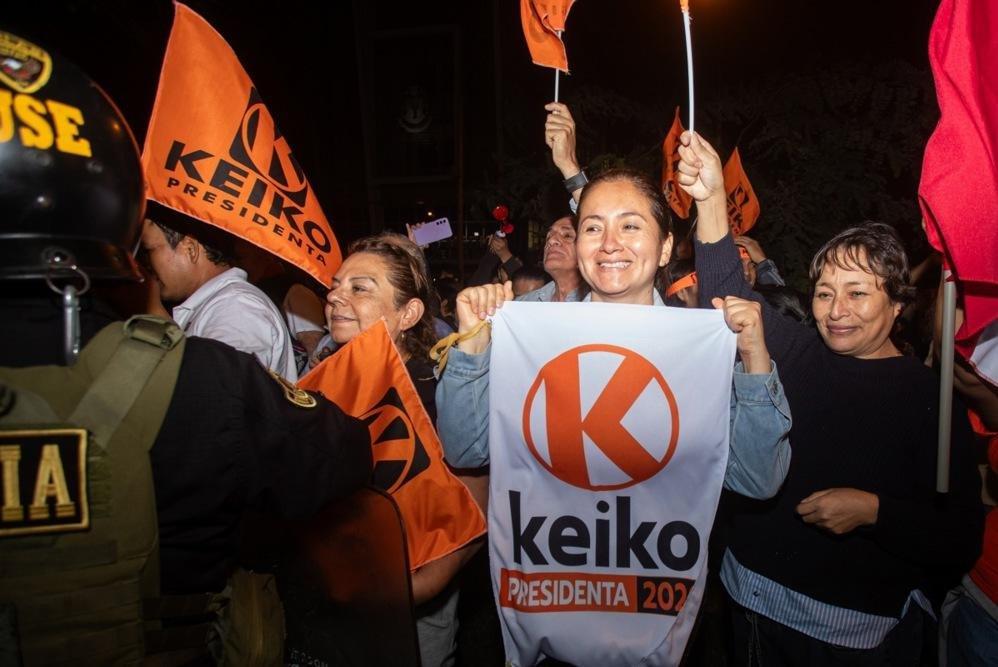
Peru Polls Open In Runoff Between Keiko Fujimori And Roberto Sanchez
Key Takeaways
- Runoff remains too close to call with more than 90% counted.
- Keiko Fujimori and Roberto Sánchez contest a conservative-vs-leftist runoff.
- Final results could take days to weeks to declare.
Peru runoff opens
Polls opened in Peru’s presidential run-off on Sunday as right-wing candidate and former First Lady Keiko Fujimori faced leftist congressmember Roberto Sanchez, with the vote framed by crime, corruption and voter disillusionment.
“Polls have opened in Peru’s presidential run-off, culminating an election season marred by confusion and protest”
The run-off followed an April 12 election featuring 35 candidates, in which Fujimori asserted her place in the two-person run-off with 17 percent of the vote and Sanchez was named her competitor with 12 percent support.

Voter Evelyn Pazos, speaking to AFP, said, “I hope the entire process is carried out transparently, that the people’s vote is respected,” while Hugo Vasquez in Lima said, “There is a lot of disorder and corruption, and we’re going to vote, as always, for the ‘lesser evil’.”
Both candidates were running to become Peru’s ninth leader in a decade, and the election’s administration was set to be closely watched after logistical issues and a lengthy vote count challenged trust in the process during the first round of voting.
Tight count, urged calm
As votes were counted, multiple outlets described the race as too close to call, with Anadolu Ajansı reporting that with over 94% of votes counted, Sanchez led Fujimori by less than 0.06 percentage points.
Anadolu Ajansı said the latest figures from Peru’s National Office of Electoral Processes (ONPE) showed Roberto Sanchez at 50.029% and Keiko Fujimori at 49.971%, while it also cited different official poll placements in Arequipa and Lima.

Fujimori urged patience and said, “What is needed is patience and composure,” while Sanchez called for “calm and serenity” as he spoke to reporters at the country’s Congress.
The BBC reported that Ipsos’ early tally put Sanchez on 50.3% and Fujimori on 49.7%, and that “every single tally sheet must be counted” as recounts were expected to confirm the winner.
What’s at stake
The runoff’s outcome was described as determining Peru’s next president in a political landscape marked by instability, with The Guardian saying the contest would make Peru’s ninth president in a decade.
“Peru presidential runoff too close to call as Roberto Sanchez holds razor-thin lead With over 94% of votes counted, Sanchez leads Fujimori by less than 0”
The Guardian reported that Fujimori won 17% in April while Sanchez took 12%, and it quoted sociologist Santiago Pedraglio saying, “Politicians have lost a lot of credibility, and very few people trust them any more,” while also noting that if voting weren’t mandatory, abstention would be higher.
In parallel, UPI said authorities expected delays before an official declaration because the review of challenged ballots, the arrival of election materials from remote Amazon communities and the processing of overseas votes could push the winner’s announcement back by several more days.
UPI also said “More than 1,500 tally sheets nationwide remain under review by Special Electoral Juries,” and it warned that the distribution of those challenges could prove decisive as the official results move through reviews, rulings and formal certifications involving the Special Electoral Juries and the National Jury of Elections.
More on South America
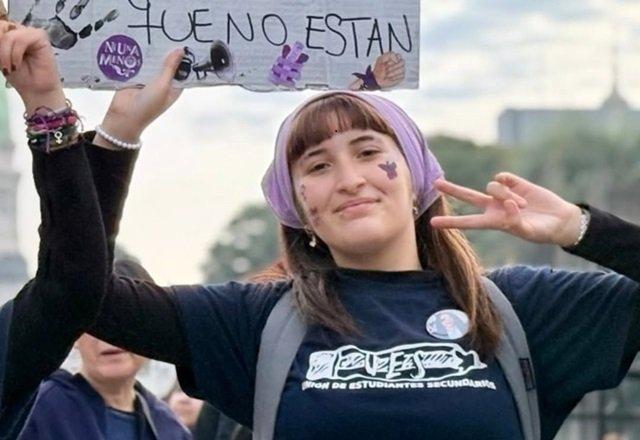
Thousands Protest in Buenos Aires After 14-Year-Old Agostina Vega Killed in Córdoba
10 sources compared

Colombia Voters Face May 31, 2026 Election Amid Armed Group Territorial Control Warnings
15 sources compared

Marco Rubio Pushes Venezuelan Crude Exports to India Amid Strait of Hormuz Disruption
10 sources compared
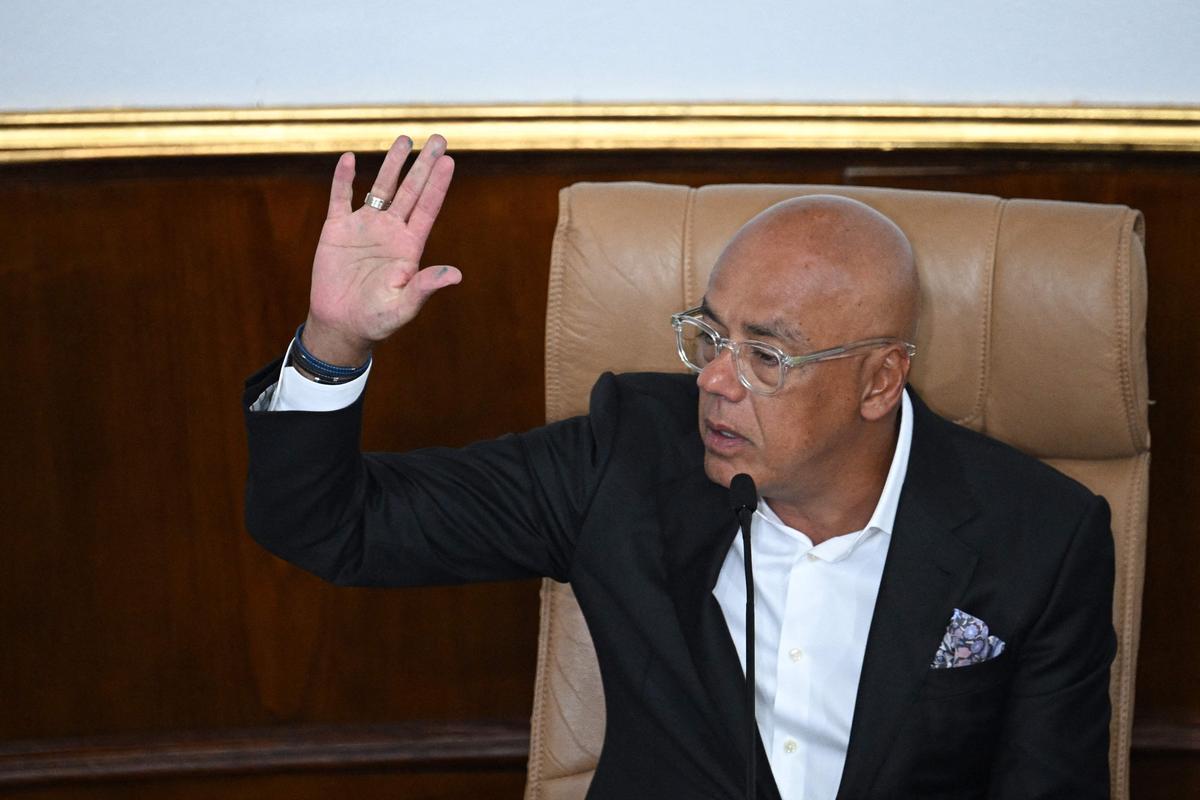
Delcy Rodríguez Announces General Amnesty Law for Venezuela’s Political Prisoners Since 1999
10 sources compared