
Peruvians Vote Sunday In Runoff Between Keiko Fujimori And Roberto Sánchez
Key Takeaways
- Peruvians vote in a high-stakes runoff between Keiko Fujimori and Roberto Sánchez.
- Election follows a decade of political turmoil with frequent turnover and distrust.
- Voter concerns center on crime, corruption, and governance amid protests.
Peru runoff in Lima
Peruvians in Lima voted Sunday in a runoff election between Keiko Fujimori and Roberto Sánchez as the country chose its ninth president in just 10 years.
“Polls have opened in Peru’s presidential run-off, culminating an election season marred by confusion and protest”
AP said the election was also marked by EU observers deploying across Peru, with voting taking place as the campaign narrowed to the two finalists after the first round.

Latin Times put the electorate at more than 27 million citizens and said voting runs nationwide from 7:00 a.m. to 5:00 p.m., with centers opening at 6:00 a.m. so poll workers can set up.
France 24 reported that around 27 million voters can cast ballots to choose a president for a five-year term, and it quoted Hugo Vasquez, a 67-year-old crafts seller in Lima, saying, "There is a lot of disorder and corruption, and we're going to vote, as always, for the 'lesser evil'."
Tight race, distrust and security
The runoff set up a straight left-right choice, with The Guardian describing it as a contest between Keiko Fujimori and Roberto Sánchez amid rising crime, chronic political instability, corruption scandals and voter apathy.
The Guardian said pollsters predicted an extremely tight vote with Sánchez on 43.8% and Fujimori on 43.2%, according to an Ipsos poll published on Thursday.

DW quoted Santiago Pedraglio, a sociologist and professor at Lima’s Pontifical Catholic University, saying, "Politicians have lost a lot of credibility, and very few people trust them any more," and it added that if voting weren’t mandatory, abstention would be higher.
Al Jazeera said voter disillusionment followed logistical issues and a lengthy vote count challenged trust in the process during the first round, and it quoted voter Evelyn Pazos saying, "I hope the entire process is carried out transparently, that the people’s vote is respected."
What the winner inherits
Beyond the vote count, the sources framed the stakes around Peru’s security and institutional stability, with France 24 saying the winner will replace interim president Jose Maria Balcazar from July 28.
“Nine presidents in 10 years — the figure speaks volumes about the current state of Peruvian politics”
France 24 reported that extortion complaints spiked ninefold in five years and that Fujimori proposed a hard-line approach including militarizing prisons and troubled areas and expelling migrants to eliminate "social scourge" with the "same force," she says was used by her father in the 1990s.
The Guardian said the winner would face a fragmented Congress and a restored Senate, while DW warned that the central question is whether Peru can break out of the cycle of political crises that has characterized its past decade.
NPR said the runoff would be the fourth in a row for Keiko Fujimori, after narrowly losing in 2011, 2016 and 2021, and it quoted political scientist Paula Távara predicting, "If she wins, there will be performative moderation. There will be this discourse about dialogue and democracy, but the reality will be that she will have her hands on the levers of power and will use them in an authoritarian way,"
More on South America
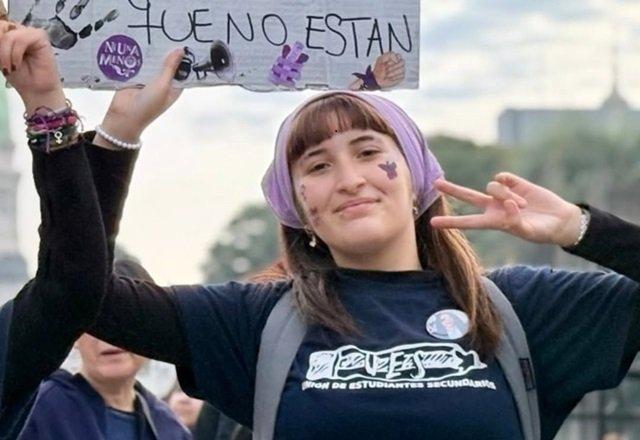
Thousands Protest in Buenos Aires After 14-Year-Old Agostina Vega Killed in Córdoba
10 sources compared
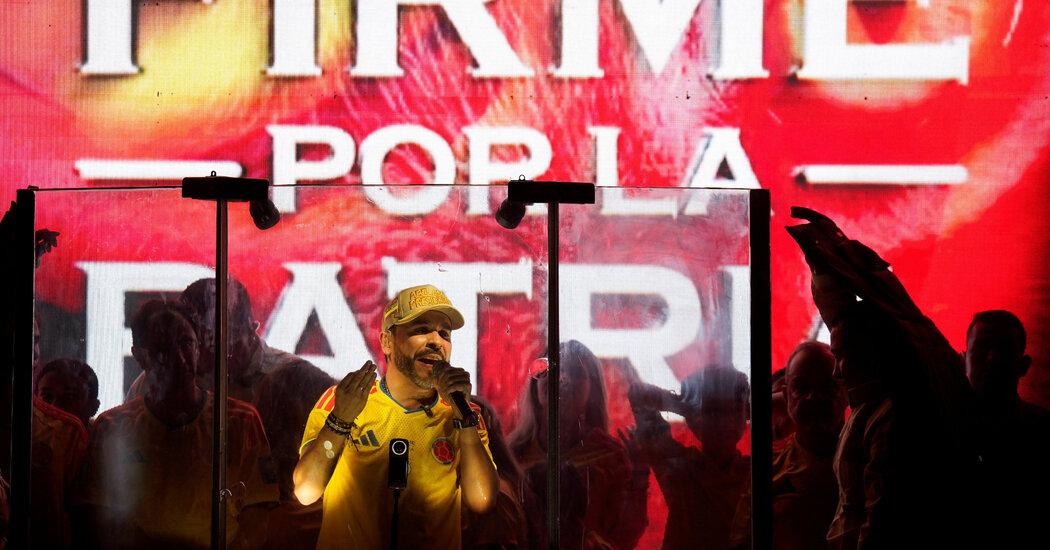
Abelardo De La Espriella Faces Iván Cepeda in Colombia June 21 Runoff
20 sources compared

Colombia Voters Face May 31, 2026 Election Amid Armed Group Territorial Control Warnings
15 sources compared

Marco Rubio Pushes Venezuelan Crude Exports to India Amid Strait of Hormuz Disruption
10 sources compared