Europe11 April, 20263 min read
Poland accuses Hungary of feeding EU secrets to Russia ahead of elections
This article is an automated aggregation of coverage from news outlets. Our editorials offer in-depth analysis curated by the NewsCord team.
Hungary accused of leaking confidential EU information to Russia. European Council meetings are the focus of alleged leaks.
Espionage Allegations Emerge
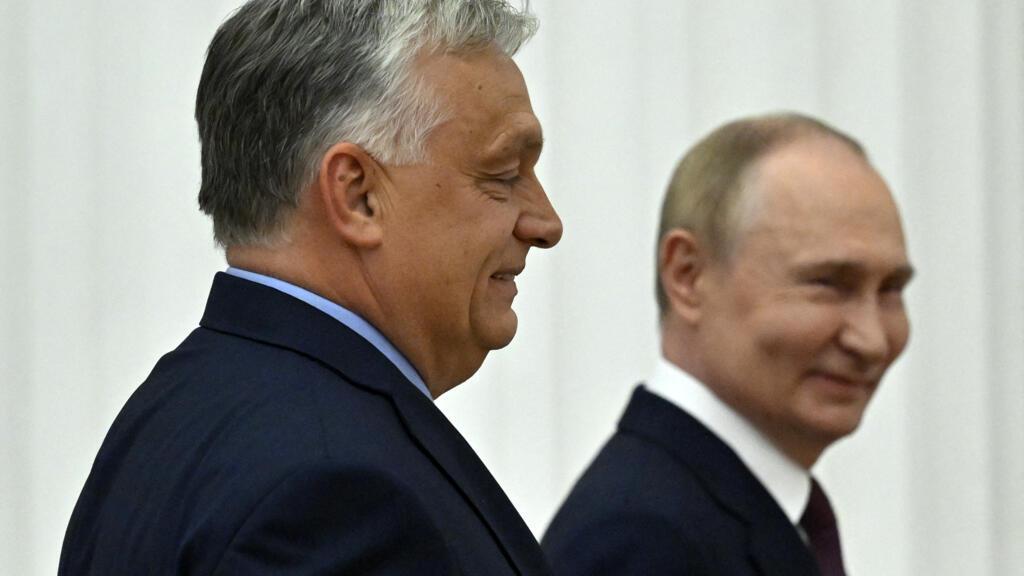
The European Union is facing a significant diplomatic crisis as Poland has accused Hungary of leaking confidential information from EU Council meetings to Russia. According to a Washington Post investigation published on March 22, 2026, Hungarian Foreign Minister Péter Szijjártó allegedly maintained regular contact with his Russian counterpart Sergei Lavrov during EU meeting breaks. Szijjártó reportedly provided detailed briefings on discussions and potential next steps from confidential EU Council sessions.
“An investigation by the Washington Post is stirring new tensions between the European Union and Hungary, raising doubts about possible leaks of information to Moscow during European Council meetings.”
These accusations have intensified existing tensions between Budapest and Brussels, particularly as Hungary continues to veto a crucial 90-billion-euro loan package intended for Ukraine. The Polish government, which has long harbored suspicions about Hungary's relationship with Russia, has formally raised these concerns at the highest European level.
Denials and EU Response
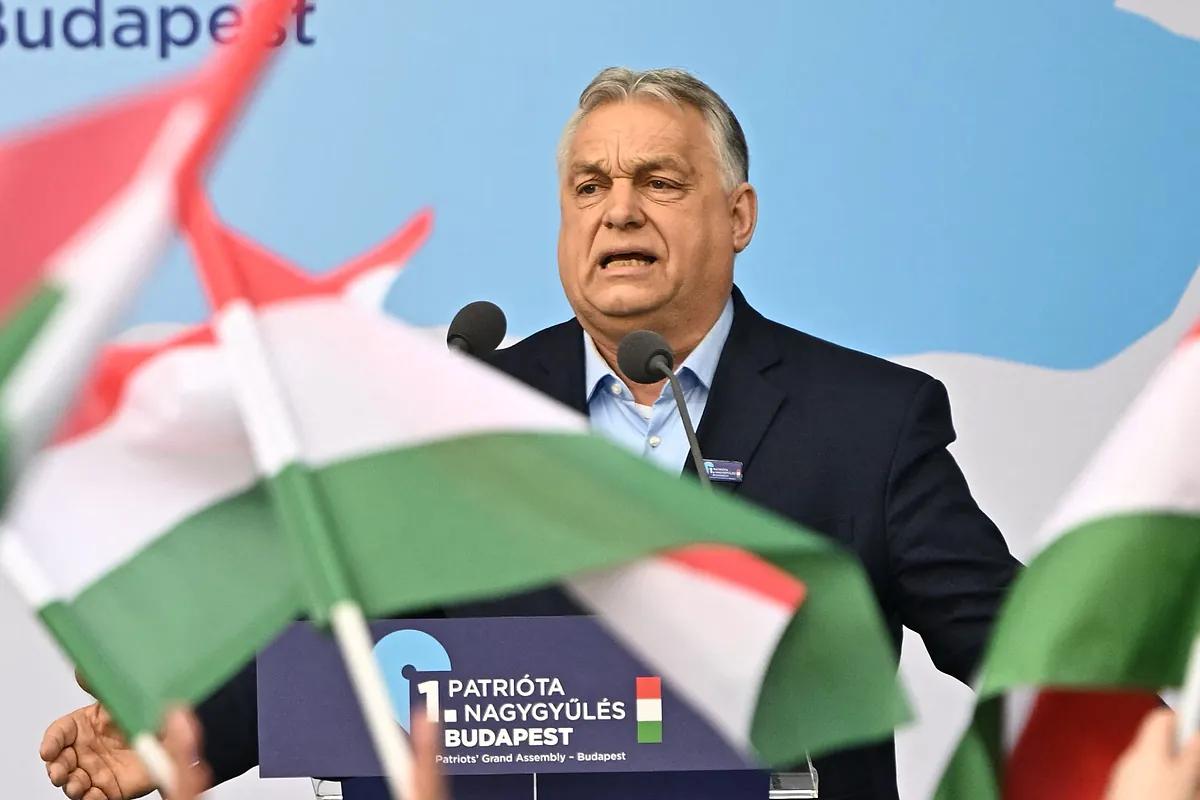
Hungarian officials have vehemently denied the espionage allegations, with Foreign Minister Szijjártó dismissing the Washington Post report as 'fake news'. Szijjártó accused the media of attempting to support the Tisza Party in establishing a 'pro-war puppet government' in Hungary. The European Commission has formally requested clarifications from the Hungarian government, emphasizing that 'a relationship of trust between member states and between these and the institution is essential for the EU's work.'
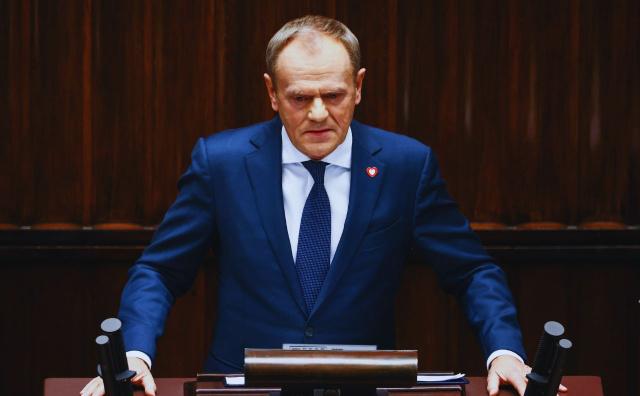
Polish Prime Minister Donald Tusk has also commented publicly on the report, adding his voice to the growing chorus of concern from EU member states. The timing of these accusations, just weeks before Hungary's parliamentary elections on April 12, has raised questions about political motivations.
Election Politics at Play
The political context surrounding these espionage allegations is deeply intertwined with Hungary's upcoming parliamentary elections scheduled for April 12, 2026. Opposition leader Péter Magyar has seized on the accusations, suggesting that if confirmed, Szijjártó's actions would amount to treason carrying a possible life sentence. Magyar has promised that a future Tisza Party government would investigate the matter immediately.
“According to current information, Szijjártó appears to be conspiring with Russia, thus betraying Hungarian and European interests. If confirmed, this would amount to treason, which could carry a possible life sentence. A future government of Tisza will investigate the matter immediately.”
Brussels officials are reportedly crossing their fingers that Prime Minister Viktor Orbán loses the elections, believing this would resolve many of the current tensions. The current polls indicate that Magyar, who belongs to the European People's Party family, is likely to win, though he is described as 'not the most pro-European politician on the continent, but certainly much more so than the current leader.'
Alliance Concerns
The espionage allegations have raised broader concerns about Hungary's role within both the European Union and NATO frameworks. EU officials suggest that the proliferation of working groups with a small number of countries may be an attempt to prevent Hungary from knowing plans and proposals in advance. While NATO officials have stated that there are currently no suspicions of similar behavior within the alliance, they acknowledge that Hungary's behavior appears more responsible in NATO contexts than within the EU framework.
The concern in Brussels is palpable, with diplomatic sources noting that EU institutions and member states are unlikely to take significant action until after the Hungarian elections. This approach appears to play into Orbán's strategy of gaining national political capital, as officials believe any decisive action would be postponed until a new government takes office.
Future Implications
The potential consequences of these espionage allegations could reshape EU-Hungary relations and impact broader European security policies. If the accusations are substantiated, Hungary could face significant diplomatic isolation within the EU and potentially face legal or political consequences from other member states. The situation has already complicated efforts to secure the 90-billion-euro loan for Ukraine, which Hungary continues to veto.
“The accusations arrived at a time of tension between Budapest and Brussels, also due to Hungary's veto against a 90-billion-euro loan intended for Ukraine.”
A change in government following the April elections could lead to a dramatic shift in Hungary's foreign policy, with the opposition Tisza Party signaling a more cooperative approach with EU institutions. The episode has highlighted deep divisions within the EU regarding Russia and raised questions about the bloc's ability to maintain confidentiality and cohesion when dealing with sensitive security matters.