Poll Finds 59% Of Israelis Support U.S. Strikes Against Iran Amid Israeli Electoral Deadlock
Key Takeaways
- 59% of Israelis back participating in U.S. strikes on Iran, per an N12 poll.
- 29% oppose, 12% undecided.
- Poll released amid Israeli deadlock with Knesset dissolution and early elections looming.
Iran Deadline, Gaza War
As U.S. President Donald Trump threatened to attack Iran and Tehran refused to conclude a nuclear deal, a poll from N12 published on Thursday found that 59% of Israelis support a possible participation by their country in a U.S. strike against the Islamic Republic, while 29% oppose and 12% are undecided.
The Times of Israël reported that an anonymous source told Axios on Wednesday that if Trump were to launch strikes against the Islamic Republic, they would likely take the form of a U.S.–Israel joint operation, of an even larger scale than the 12-day bombing campaign Israel carried out against Iranian nuclear and military sites last June.

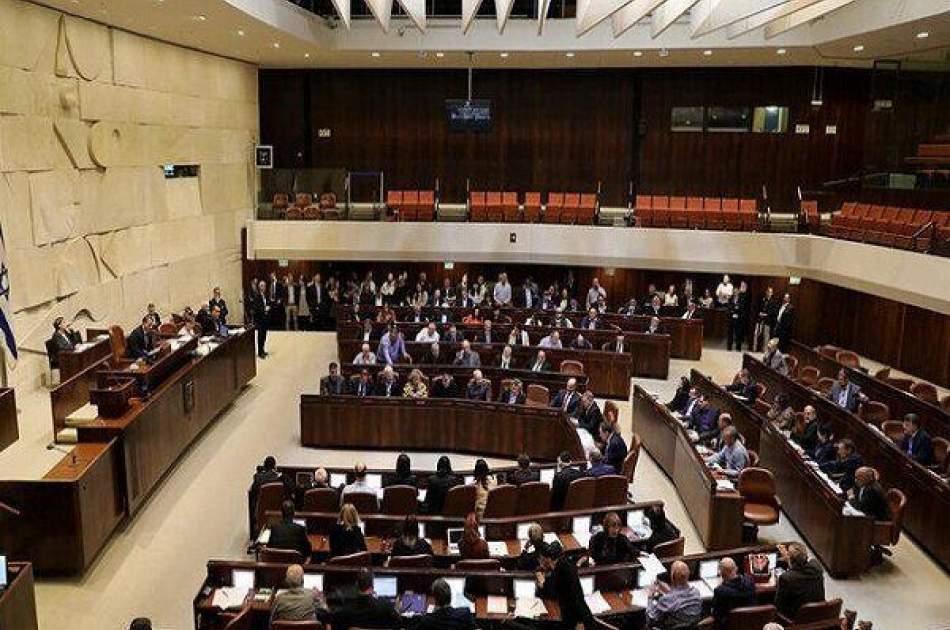
The same N12 polling described electoral deadlock in Israel, saying Netanyahu's coalition and the opposition parties would again fail to secure a majority in the Knesset in upcoming elections without the support of an Arab faction.
The Times of Israël also said the leaders of both blocs refused to rely on Arab support to form a government, and it tied that stance to the October 7, 2023 pogrom carried out by the Palestinian militant group Hamas, which sparked the war in Gaza.
In parallel, the Jerusalem Post reported that a new Maariv poll published Thursday showed Finance Minister Bezalel Smotrich's Religious Zionist Party (RZP) crossed the electoral threshold for the first time in nearly six months, while Netanyahu's Likud continued to weaken.
Polls Show Shifts
The Jerusalem Post said the Maariv poll found that the Arab parties remained unchanged at 10 seats, while Shas lost one seat this week, and it reported that the overall coalition bloc strengthened thanks to RZP.
It also reported that in the opposition bloc, both the Together Party and Yashar! weakened by one seat each, and that the Reservists Party, Blue and White, Religious Zionism, and Balad remained below the electoral threshold.

In a separate i24NEWS poll published on Friday by Maariv, i24NEWS reported that if legislative elections were held today, the opposition bloc to Benjamin Netanyahu would win a slim majority in the Knesset, with the opposition reaching 61 seats.
That i24NEWS report said the scenario would allow the opposition to form a government without relying on Orthodox parties, and it listed that Benjamin Netanyahu's Likud would remain the largest party with 25 seats, closely followed by the Bennett-led faction credited with 23 seats.
Haaretz added another framing, saying a poll by Channel 12 News and Kan 11 published on Wednesday found the bloc of Jewish parties opposing Netanyahu would be four seats short of forming a majority government without Arab parties, even though the opposition parties collectively secured 67 seats.
Coalition Math, Captives
A Direct Polls survey published Tuesday on i24 News, as carried by חרדים10, said Netanyahu was short of the 61 seats needed to form a government, with the coalition and the opposition both at 60 seats.
That same חרדים10 report said the Change Bloc had a new leader, Gadi Eisenkot, and it described Likud leading with 30 seats while Shas had 10 seats, United Torah Judaism had 8 seats, and Otzma Yehudit led by Itamar Ben-Gvir won 8 seats.
It also said the Religious Zionist Party led by Bezalel Smotrich barely cleared the threshold with only 4 seats, and it reported that the parties in the current coalition reached exactly 60 seats, which it said does not allow for the formation of a government without additional partners.
In the left bloc, חרדים10 reported that Gadi Eisenkot's Yashar party emerged as the surprise with 17 seats, followed by the Behad party collapsing to 15 seats, while the Democratic Party received 9 seats and Yisrael Beiteinu led by Avigdor Lieberman won 8 seats.
Haaretz, meanwhile, said leaders of several parties in the anti-Netanyahu bloc—including former Prime Minister Naftali Bennett—ruled out cooperation with Arab parties, preventing them from securing a 61-seat majority, and it said Bennet's coalition would only secure 57 seats.
More on Gaza Genocide

Israel Deports Hundreds Of Gaza Flotilla Activists To Turkey After International Backlash
10 sources compared

Palestinian Ministry Condemns Israeli Flag Lights and Hebrew Phrases at Hebron’s Ibrahimi Mosque
15 sources compared

Ben Gvir Releases Video Showing Gaza Flotilla Activists Kneeling With Hands Tied
12 sources compared

Trump’s Gaza Board of Peace Warns Funding Gap Threatens Reconstruction Plan
19 sources compared