
Polymarket Discontinues Nuclear-Detonation Betting Markets Over Insider Information Concerns
Key Takeaways
- Polymarket removed multiple markets allowing bets on nuclear weapon detonations
- Polymarket removed markets amid public outcry and concerns about privileged information
- Markets tied to the Iran conflict raised debate over appropriate prediction-market red lines
Polymarket contract removals
Polymarket quietly removed longstanding prediction contracts that let users bet on the likelihood of a nuclear detonation amid public outcry over the current conflict with Iran.
“Polymarket has discreetly discontinued several prediction contracts that enabled participants to wager on nuclear weapon detonation probabilities”
Reports say the deletions came as concerns grew that traders with advance knowledge of military actions could profit, and the platform has not publicly explained the removals.
Observers linked the decision to recent high-profile controversies and evolving regulatory scrutiny.
Prediction market insider concerns
The platform's deletions followed earlier controversies over alleged insider profits.
Notably, a trader reportedly netted more than $400,000 by betting on Venezuelan president Nicolás Maduro's ouster.

There were broader allegations of suspicious betting patterns around Iran-related military action.
Crypto-analytics firms flagged large alleged insider wagers on possible U.S. strikes.
At least one Polymarket market drew massive volume on a key date.
These episodes intensified scrutiny of prediction markets' vulnerability to information asymmetries.
Event markets regulation
Regulators have been moving to curb such event markets, with the Commodity Futures Trading Commission proposing 2024 rules to bar authorized platforms from offering contracts tied to military conflict, terrorism, or political assassination, citing public‑welfare concerns.
“Polymarket shelves nuclear detonation markets after outcry Nuclear weapon-themed markets aren’t new on the prediction market platform, but public outcry about the contracts has apparently forced the platform to delete them”
CFTC officials have signalled further guidance as the rules remained under consideration in early March 2026.
Lawmakers in Congress have also proposed restrictions and disclosure measures aimed at preventing conflicts of interest and insider trading in prediction markets.
Polymarket controversy overview
Polymarket’s structural setup and market history added to the controversy.
Its main exchange operates offshore while the company has indicated plans for a separate CFTC-regulated U.S. platform.
Some other sites were still showing similar nuclear-detonation bets as the debate unfolded.
Data on past contracts showed nontrivial implied probabilities and millions in traded volume.
That combination underscored why observers feared real-world stakes and informational advantages could translate into large financial gains.
Reaction to controversial markets
The episode prompted platforms and lawmakers to reassess the ethics and legality of markets that resolve on deaths, regime changes, or military actions; some exchanges refunded contentious markets and publicly disavowed bets tied "directly to death," while proposals in Congress would restrict who can trade and impose penalties.
“Polymarket has discreetly discontinued several prediction contracts that enabled participants to wager on nuclear weapon detonation probabilities”
Observers say the combination of prior insider-bet controversies, large trading volumes, and active rulemaking likely shaped Polymarket’s move to discontinue the nuclear-detonation markets.
More on Crypto

Federal judge blocks DOJ subpoenas involving Fed Chair Powell
33 sources compared

Bybit Pay Joins Mastercard Crypto Credential Network, Lets Users Send Digital Assets Using Verified Aliases
10 sources compared
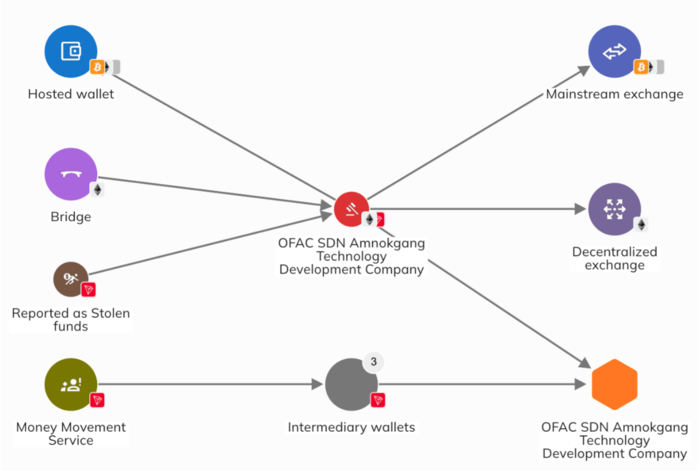
U.S. Treasury Freezes Crypto Network Feeding Nearly $800 Million To North Korea's Weapons Programs
10 sources compared

Europol and DOJ Freeze $3.4–$3.5M, Dismantle SocksEscort Proxy Network That Compromised 369,000 Devices
13 sources compared