Africa28 April, 20266 min read
Portuguese Bom Jesus Ship Resurfaces In Namibia’s Namib Desert After 500 Years
This article is an automated aggregation of coverage from news outlets. Our editorials offer in-depth analysis curated by the NewsCord team.
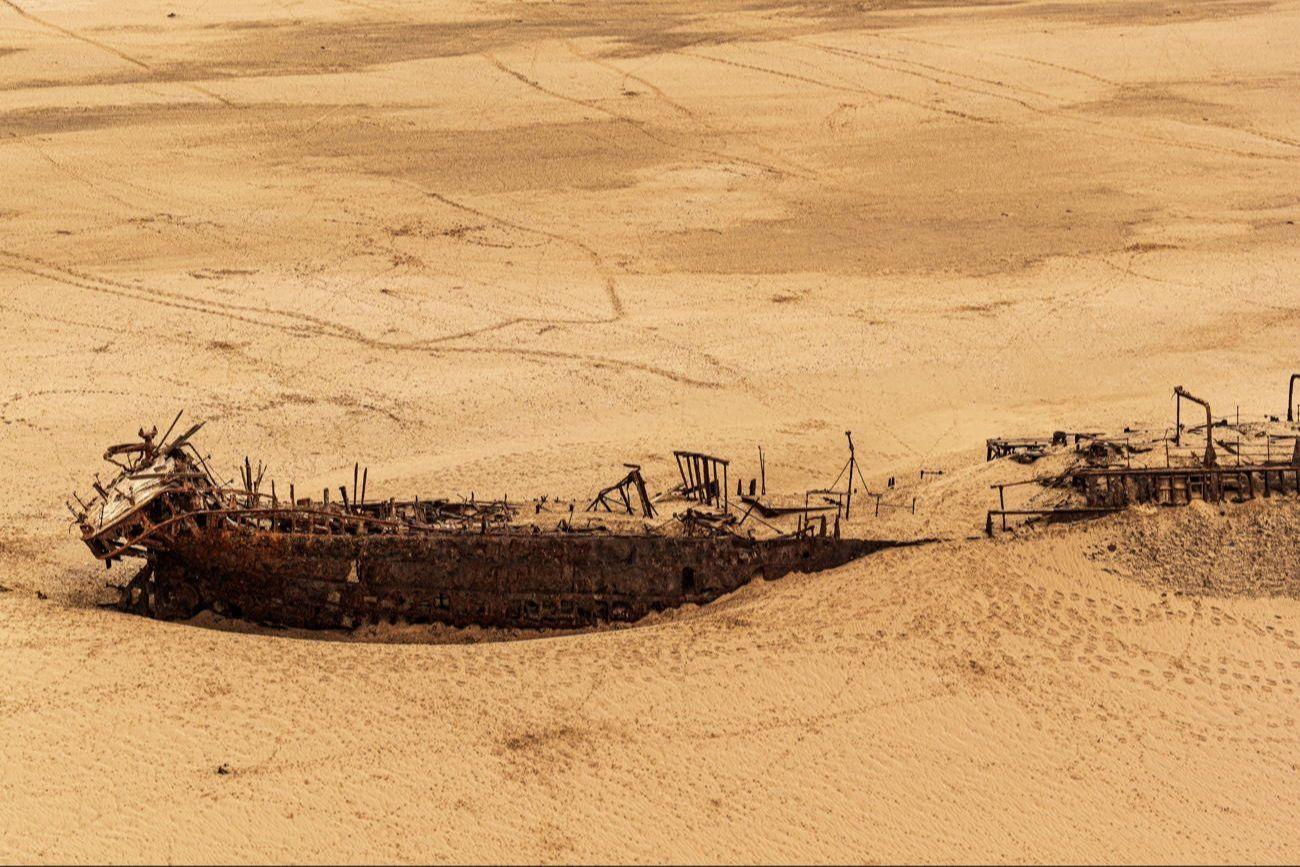
Bom Jesus, 16th-century Portuguese carrack, disappeared in 1533 and was found in 2008. Buried for centuries beneath the Namib Desert's sands.
Resurfacing in Namibia
A Portuguese merchant ship lost at sea in 1533 has resurfaced in Namibia’s Namib Desert after being buried for more than 500 years, according to reporting that traces the discovery to 2008. The wreck is identified as the Bom Jesus, described as a Portuguese merchant ship “lost at sea in 1533,” found after being “buried for over 500 years beneath layers of sand and water.” The Times of India says the discovery came when “a diamond mining operation near Oranjemund, Namibia” uncovered the wreck of the Bom Jesus, and it frames the find as a “time capsule from the Age of Discovery.”
“In 2008, a diamond mining operation near Oranjemund, Namibia, resulted in the discovery of a significant piece of history when the wreck of the Bom Jesus, a Portuguese merchant ship lost at sea in 1533, was found after being buried for over 500 years beneath layers of sand and water.”
The same account links the preservation to the ship’s cargo of copper ingots, stating that the copper “provided protection for the ship from marine deterioration.” Science et vie similarly places the discovery in 2008 in Namibia, saying diamond miners found the Bon Jésus or Bom Jesus “under layers of sand” after it had “sunk off the coast of Africa after a violent storm in 1533.”
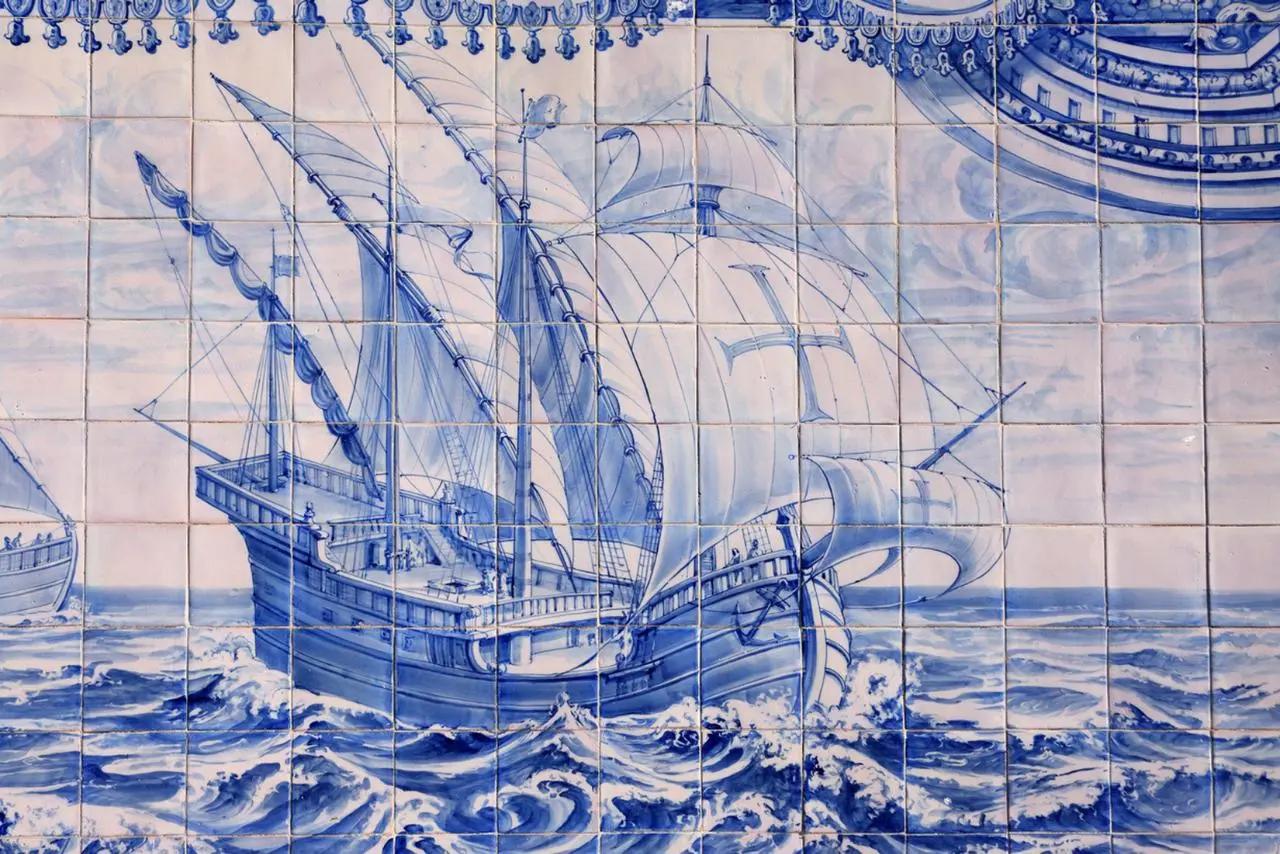
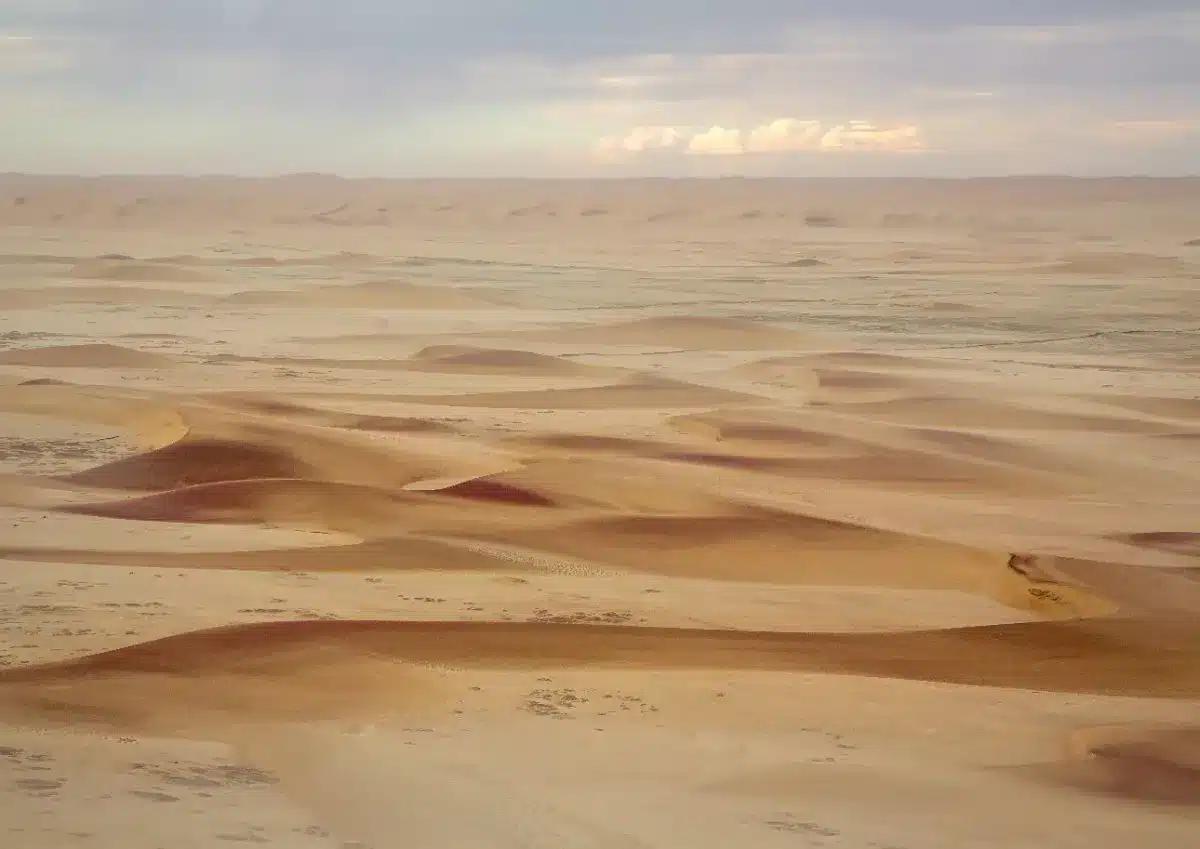
Thot Cursus adds that the wreck was found in the Sperrgebiet, describing it as “a desert zone in Namibia” and saying the territory is “controlled since 1908 by the German colonial authorities and then by the diamond giant De Beers.” Across the accounts, the ship’s route is tied to Lisbon and the Indian subcontinent, with The Times of India stating that on “March 7th, 1533, the Bom Jesus left from Lisbon on its way to the Indian subcontinent.”
Cargo and preservation
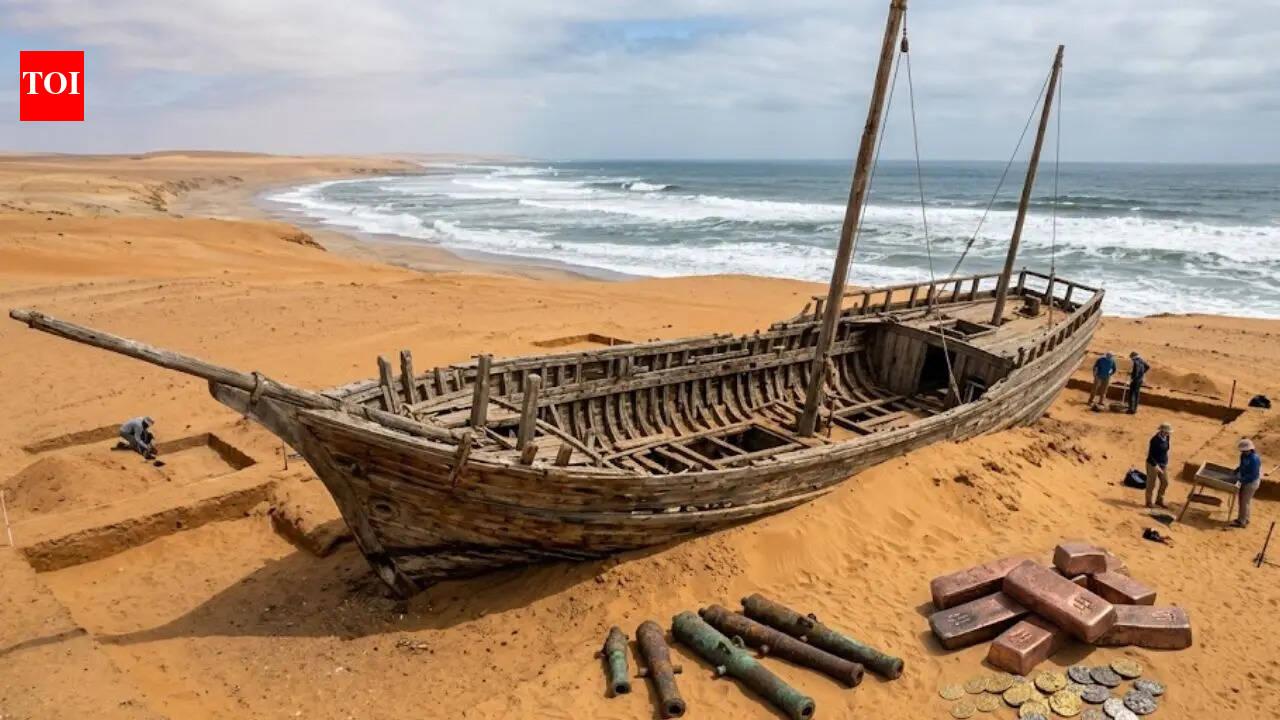
The Bom Jesus wreck’s contents are described in detail across the accounts, with multiple reports emphasizing both the quantity of material recovered and the condition of the artifacts. The Times of India says that during excavation, experts found “more than 40 tons of cargo,” including “thousands of gold and silver coins,” “bronze cannons,” “navigational astrolabes,” and “several hundred elephant tusks.” It also states that the copper ingots preserved organic materials, explaining that the copper cargo had “biocidal properties” that prevented marine creatures from consuming organic remains.
Futura reports a specific inventory, saying archaeologists recovered “2,000 gold coins” and “Hundreds of kilograms (hundreds of kilos) of copper ingots,” along with “Silver coins” and “elephant tusks.” Science et vie likewise highlights “2,000 gold coins” and “several tons of copper,” describing a “chest in which 2,000 gold coins had stood for more than 500 years.”
RSE Magazine adds a monetary figure, saying the wreck reveals “an invaluable treasure of 11.5 million euros,” and it specifies “thousands of gold coins valued at nearly 11.5 million euros, 22 tons of copper ingots stamped with the Fugger seal (German bankers/financiers), and dozens of ivory tusks from West Africa.” Thot Cursus connects the copper ingots to a named financial family, stating the ingots were “stamped with the trident seal of the Fugger dynasty,” and it describes the copper as “de facto currency.”
Route, storm, and crew
The accounts describe how the Bom Jesus left Lisbon and how it was lost, but they differ on what happened to the ship and what became of the crew.
“On March 7th, 1533, the Bom Jesus left from Lisbon on its way to the Indian subcontinent carrying trade goods that were transported on board.”
The Times of India says that on “March 7th, 1533, the Bom Jesus left from Lisbon on its way to the Indian subcontinent,” and it adds that “Historical analysis done by archaeologists and historians indicates that the ship foundered during a severe storm.”
It further states that the ship was “driven towards the coast of Namibia by waves and then striking a rock shelf,” and it notes that “Since most of the human remains have not been located, it is believed that some crew members survived the initial sinking.”
Science et vie similarly says the ship disappeared in 1533 with cargo bound for India and that “Experts believe that the Bon Jésus sank when, during a storm, it was carried too close to the Namibian coast and saw its hull damaged.”
Futura describes the wreck as “almost certainly the Bom Jesus” and places the sinking near Namibia’s shores “in March 1533,” while it says “the Bom Jesus, after several days at sea, fell victim to the merciless Atlantic weather rather than any swashbuckling pirates.”
Futura also offers a crew estimate and a preservation puzzle, stating that “A carrack typically carried a crew of up to 200 sailors” and that “no human remains were found” when archaeologists excavated the site.
RSE Magazine frames the human toll differently, saying the wreck’s discovery came with “the tragic loss of more than 300 crew members,” and it quotes Dr. Dieter Noli about possible shelter, stating that “survivors may have sheltered thanks to resources provided by the seemingly barren desert and through contacts with local San communities.”
Scholars and stewardship
The discovery has drawn named researchers and institutions, and the accounts describe how the wreck is being studied and managed.
RSE Magazine says the scientific potential and historical scope of the find have been closely followed by AIMURE, “led by Dr. Bruno Werz,” and also by “the chief archaeologist, Dr. Dieter Noli.”
Thot Cursus quotes Dr. Bruno Werz directly, describing him as director of AIMURE and saying: “Much more than a simple excavation site, we are holding here a true time capsule. It is the economy of the Age of Exploration that has been vacuum-sealed.”
The same Thot Cursus account also describes the Sperrgebiet’s governance and access rules, stating that “anyone who enters without authorization risks prison” and that the territory is “controlled since 1908 by the German colonial authorities and then by the diamond giant De Beers.”
RSE Magazine adds that the wreck’s position is “several hundred meters off the coast and 25 km north of the Orange River,” and it says the discovery’s preservation is linked to sediment stability and extreme conditions.
It also reports that “The absence of Portuguese contestation over ownership of the goods and Namibia's willingness to valorize the discovery, including plans to create a maritime museum in Oranjemund, attest to an ethical stewardship of historic heritage.”
The Times of India similarly describes the discovery as opening “a variety of new opportunities to study the global trade routes of the 16th century,” and it says the find allows archaeologists to view the wreckage as a time capsule.
What the find means
Beyond the physical recovery, the accounts connect the Bom Jesus to broader questions about early globalization, finance, and trade networks, while also emphasizing how the cargo reveals specific historical relationships. The Times of India says the discovery allows study of “the global trade routes of the 16th century,” as well as “the shipbuilding techniques of the time and the hazards faced by early explorers.” It also says the copper ingots “bear the trident of the Fugger family of Augsburg, Germany,” and it frames this as evidence that “Renaissance Europe traded extensively with sub-Saharan Africa.”
“His research, based on letters from investors unearthed in the royal archives of Lisbon, reveals that a colossal sum of 20,000 cruzados d’or had been transferred to Seville just weeks before the fleet weighed anchor in March 1533.”
Thot Cursus similarly argues that the Fugger seal shows private finance’s role, stating that “Like any good caravel, the Bom Jesus carried not only material riches, but also the gears of a financial empire run from the banks of Augsburg.” It further claims that letters from investors in “the royal archives of Lisbon” show “a colossal sum of 20,000 cruzados d’or had been transferred to Seville just weeks before the fleet weighed anchor in March 1533.”
RSE Magazine ties the wreck to Iberian financial arrangements, saying “Spanish gold coins described as 'excellent', rarely observed on Portuguese ships, attest to an Iberian financial arrangement documented by a letter preserved in the royal archives of Lisbon.” Science et vie adds that the artifacts allow historians to specify the ship’s “real missions” when it left Lisbon in 1533 and describes the presence of “cannons and muskets,” suggesting the ship was not merely a merchant vessel.