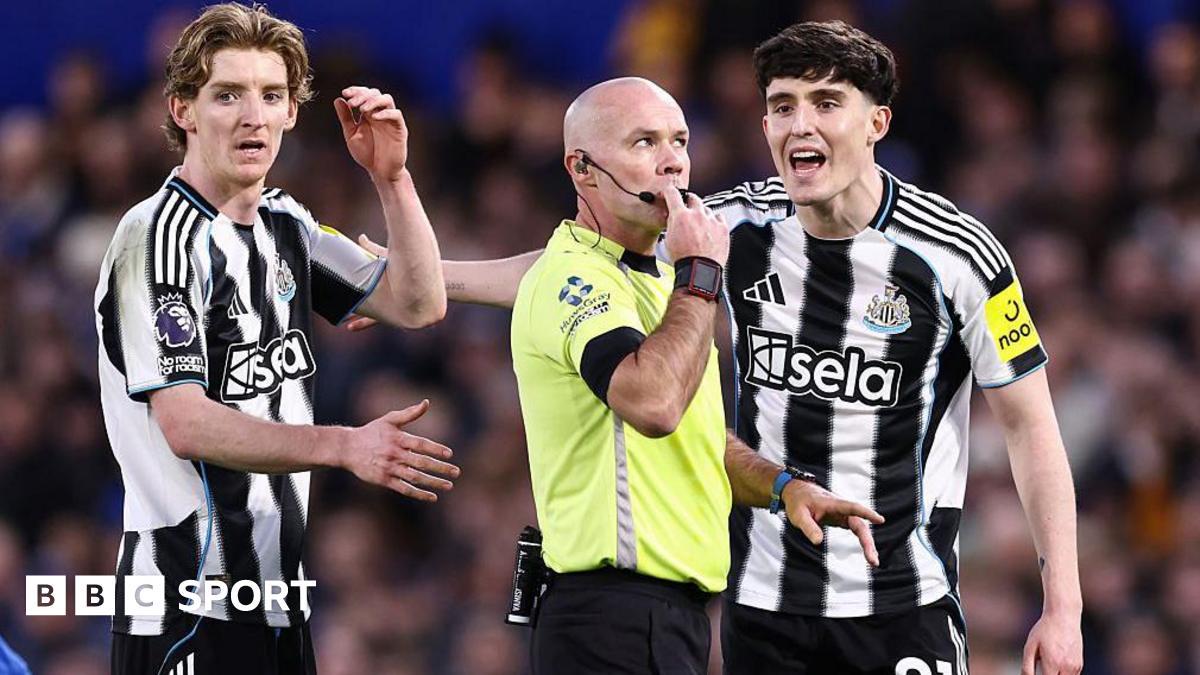
Premier League's KMI Commission Confirms 30% Rise In VAR Errors To 13 This Season
Key Takeaways
- VAR errors increased in the first half of the season.
- VAR error counts conflict: 13 vs 54 totals; 44 last season.
- KMI panel findings underpin the reported rise in errors.
New VAR error spike
The single most important new development in the VAR debate is the Premier League's KMI Commission confirming a spike in errors in the season's first half: 13 confirmed VAR errors, a 30% rise from the previous year.
“Refereeing mistakes on the field and through the video assistant referee have risen across most categories in this season's Premier League”
Tribuna's detailed breakdown frames this as a 30% rise to 13 errors.
Pulzo describes the BBC-based panel as the source of this trend.
However, BBC Sport's own coverage also notes a higher, broader count of VAR errors (18) this season, signaling measurement differences and a continuing controversy over how VAR is functioning.
This discrepancy matters because it shapes how fans interpret the integrity and reliability of officiating when the system is meant to reduce controversy rather than amplify it.
Nine detailed VAR errors
Tribuna's enumeration of the nine clearly identified episodes underscores the pattern of VAR decisions failing to catch or correctly adjudicate key moments, including missed red-card scenarios and disallowed goals.
The piece lists examples such as a red card not given for a Senesi handball against Liverpool, and a goal correctly disallowed for Chelsea that VAR later criticised, among others.
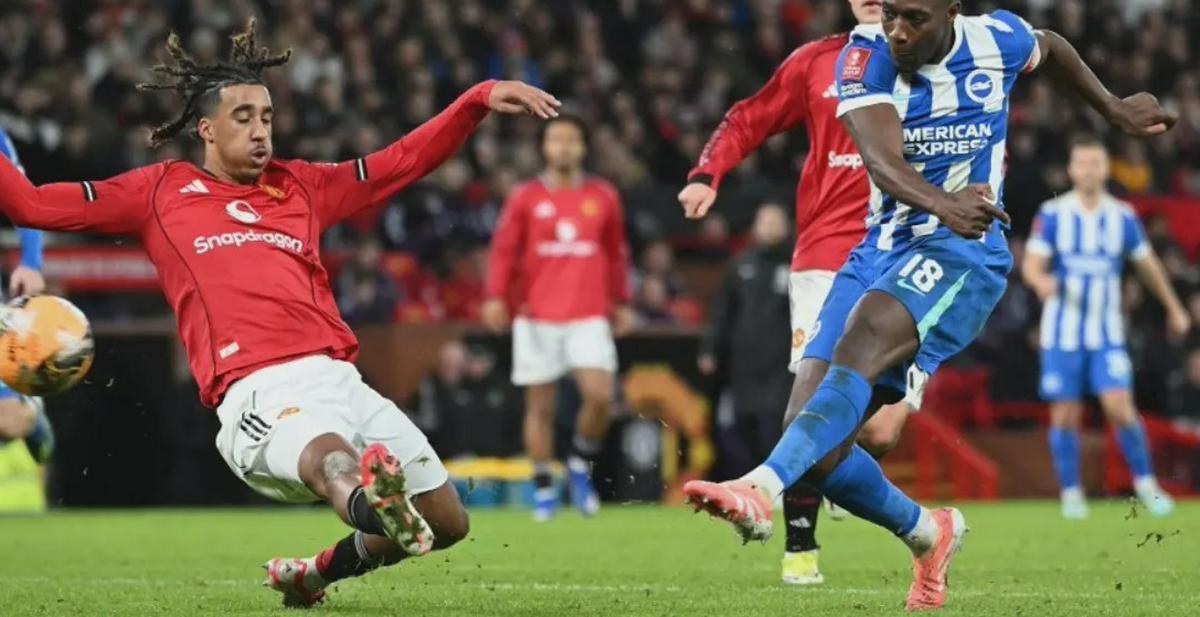
It also documents situations where the on-field referee and VAR did not intervene in penalties or DOGSO cases, highlighting the tension between what the KMI panel labels as errors and the broader game-critical decisions at stake.
The reported nine cases give a concrete texture to the 13-figure total that the KMI analysis is supposed to reflect, even as the overall count across the season remains contested.
The panel’s conclusions in several instances marked actions as missed opportunities or misapplied criteria, illustrating how a handful of high-stakes calls can redefine a match's outcome.
Accountability and governance
The implications for governance and accountability are tangible: in at least one case the VAR official involved, Michael Salisbury, was dismissed, signaling the high-stakes discipline around officiating errors.
“Tribuna/Blogs/The Crown and The Ball/13 VAR errors confirmed in the Premier League since the start of the season 13 VAR errors confirmed in the Premier League since the start of the season Video assistant referee errors have multiplied in the first half of the season Nico Paz, January 13, 2026, 11:19”
The KMI Panel itself is described as an independent body that evaluates incidents from every round, a structure meant to insulate judgments from external pressures.
Not all decisions fall within VAR’s reach—one example cited by BBC coverage shows a non-reviewable call that will be addressed only in future seasons.
Taken together, the pattern fuels ongoing debates about VAR’s design, its transparency, and the need for clearer, consistent criteria to avoid eroding trust among players and fans.
Global perspectives on VAR
Context matters, and non-Western coverage adds critical nuance to the VAR conversation: Western outlets discuss delays and stoppage times, while independent, non-Western perspectives emphasize that the central question is whether VAR is reducing controversy or simply shifting it.
BBC data show stoppages have fallen from 64 seconds in 2023-24 to 48 seconds this season, even as delays persist inside stadiums.
Pulzo frames the debate as a global conversation about VAR’s design and implementation, reinforcing the idea that inactivity by the system can be as problematic as erroneous interventions.
Tribuna’s regional framing ties the rise in errors to an international audience’s increasing scrutiny of how VAR decisions affect match outcomes, underscoring that the region’s fans are not immune to the pressures and expectations of Premier League officiating.
Next steps and reforms
What comes next is a focal point for fans and practitioners: several important calls for reform center on clarifying criteria, expanding reviewable situations, and ensuring greater consistency across matches.
“The implementation of the Video Assistant Referee (VAR) system in the Premier League has once again reignited the debate due to an increase in the number of errors detected during the first half of the season, according to a BBC Sport report based on the Key Match Incidents (KMI) panel”
The BBC notes that some non-reviewable decisions are slated to be reviewable only from next season, signaling an incremental approach to expanding VAR oversight.
Pulzo argues that the core challenge lies in moments when the system remains inactive, suggesting reforms should target thresholds and triggers for intervention.
Tribuna’s synthesis of the nine detailed errors underscores the practical impact of lagging or inconsistent guidance on real games, pushing for concrete protocol refinements that reduce ambiguous outcomes and restore confidence in officiating.
More on Sports
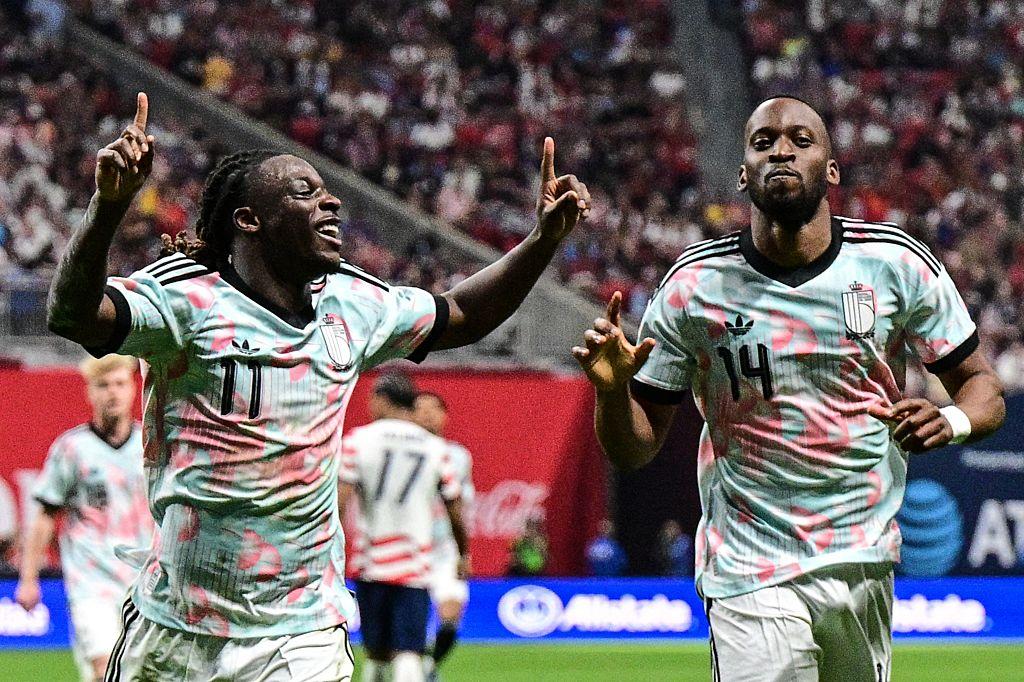
Mauricio Pochettino Limits Johnny Cardoso to 45 Minutes In Final World Cup Roster Test
11 sources compared

NCAA Extends Two-Site Super-Regional Women's Tournament, Keeps Fort Worth And Sacramento At Least Five Seasons
10 sources compared
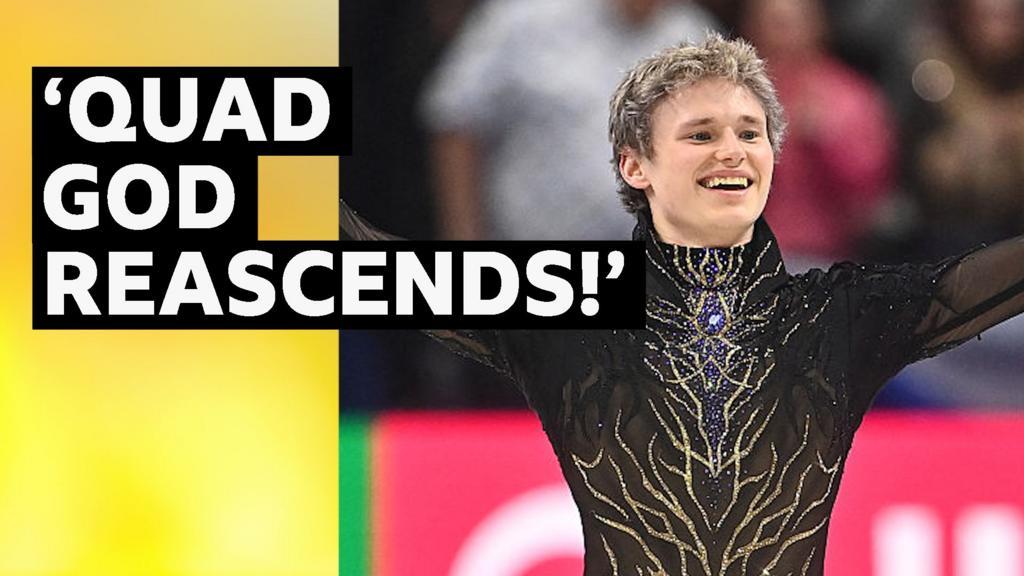
Ilia Malinin Cuts Quads From Seven To Five, Swaps Quad Axel For Triple At Worlds
10 sources compared
Jordan Henderson, Thomas Tuchel Back Ben White, Call To Clear Air With Qatar Teammates
11 sources compared