
President Donald Trump postpones strikes on Iran's power plants for five days.
Key Takeaways
- U.S. postpones strikes on Iran's power plants for five days.
- Pause follows reports of productive talks between U.S. and Iran.
- Markets rose as oil prices fell after the pause.
Trump's Announcement
President Donald Trump abruptly announced a five-day postponement of planned military strikes against Iran's energy infrastructure.
He cited what he described as 'very good and productive conversations' between the United States and Iran regarding a 'complete and total resolution of our hostilities in the Middle East.'
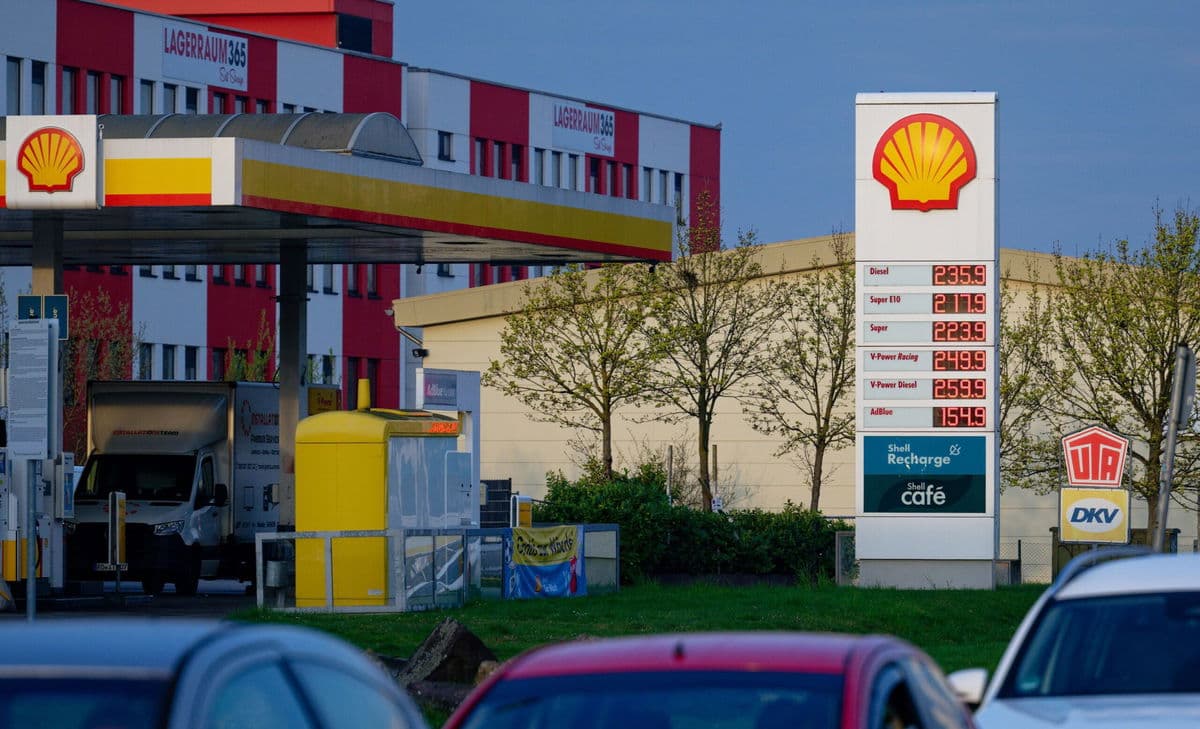
The announcement came hours before a self-imposed deadline that threatened to 'obliterate' Iran's power plants if Tehran failed to fully reopen the strategically vital Strait of Hormuz shipping lane.
Trump's decision to delay strikes marked a significant pivot in the escalating conflict now entering its fourth week.
Global markets reacted immediately to the sudden de-escalation signal.
Iran's Denial
Iranian officials vehemently denied the existence of any dialogue with the Trump administration, creating a stark contradiction in the official narratives from both sides.
Iran's Foreign Ministry stated, 'There is no dialogue between Tehran and Washington,' while parliamentary speaker Mohammad Bagher Ghalibaf dismissed Trump's claims as 'fake news' intended to 'manipulate financial and oil markets.'
This conflicting messaging introduced substantial uncertainty about whether genuine diplomatic efforts were underway or if Trump was acting unilaterally to de-escalate tensions.
The contradictory accounts raised questions about the underlying reality of the supposed negotiations and the prospects for sustained de-escalation.
Market Reactions
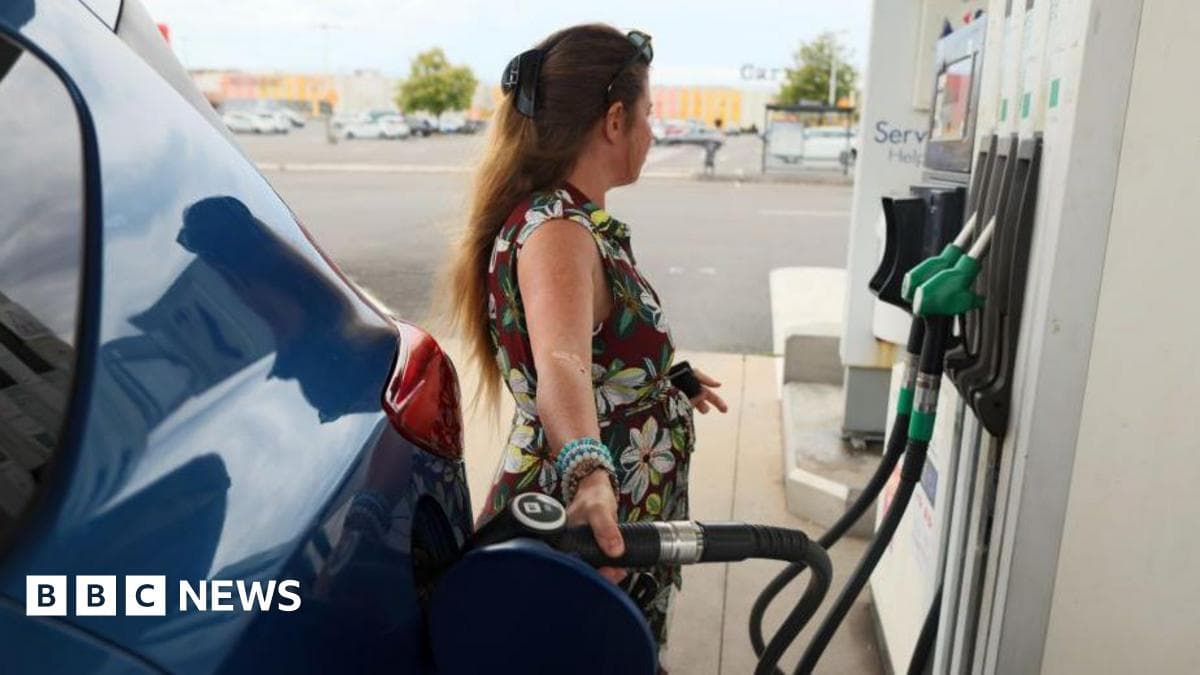
Financial markets reacted sharply to Trump's announcement, with stocks surging and oil prices tumbling as investors interpreted the move as a potential de-escalation of the conflict.
“Instead, Trump said via social media that the U”
U.S. stock futures soared in Monday's pre-market trade, with the Dow Jones Industrial Average futures up more than 1,200 points, while the S&P 500 and Nasdaq 100 futures rose nearly 3%.
Crude oil prices dropped dramatically, with Brent crude falling about 10.9% to settle at $99.94 per barrel and U.S. West Texas Intermediate losing 10.3% to $88.13 per barrel.
The market response reflected relief that immediate threats to global energy supplies might be reduced.
Analysts warned that uncertainty remained high given the conflicting narratives about whether genuine talks were actually taking place.
Regional Diplomacy
Regional diplomatic efforts intensified behind the scenes as multiple countries worked to de-escalate tensions and prevent further escalation of the conflict.
Despite Iran's official denials, regional players were actively involved in backchannel communications, with NPR confirming that 'backchannel efforts are underway, with regional players working behind the scenes to de-escalate tensions and prevent a broader conflict.'
Pakistani Prime Minister Shehbaz Sharif reported speaking with Iran's President Masoud Pezeshkian, while Egypt's president traveled to almost every Gulf capital to meet with regional rulers in recent days.
These diplomatic initiatives aimed to lay the groundwork for a potential 30- to 60-day ceasefire or detente.
The efforts were particularly focused on preventing Saudi Arabia and the United Arab Emirates from directly responding to Iran's attacks and widening the war further.
Military Developments
Military developments continued amid the diplomatic uncertainty, with both sides maintaining aggressive postures while the five-day postponement period unfolded.
“- US stocks rose and oil prices fell after Trump signaled potential de-escalation of the Iran war”
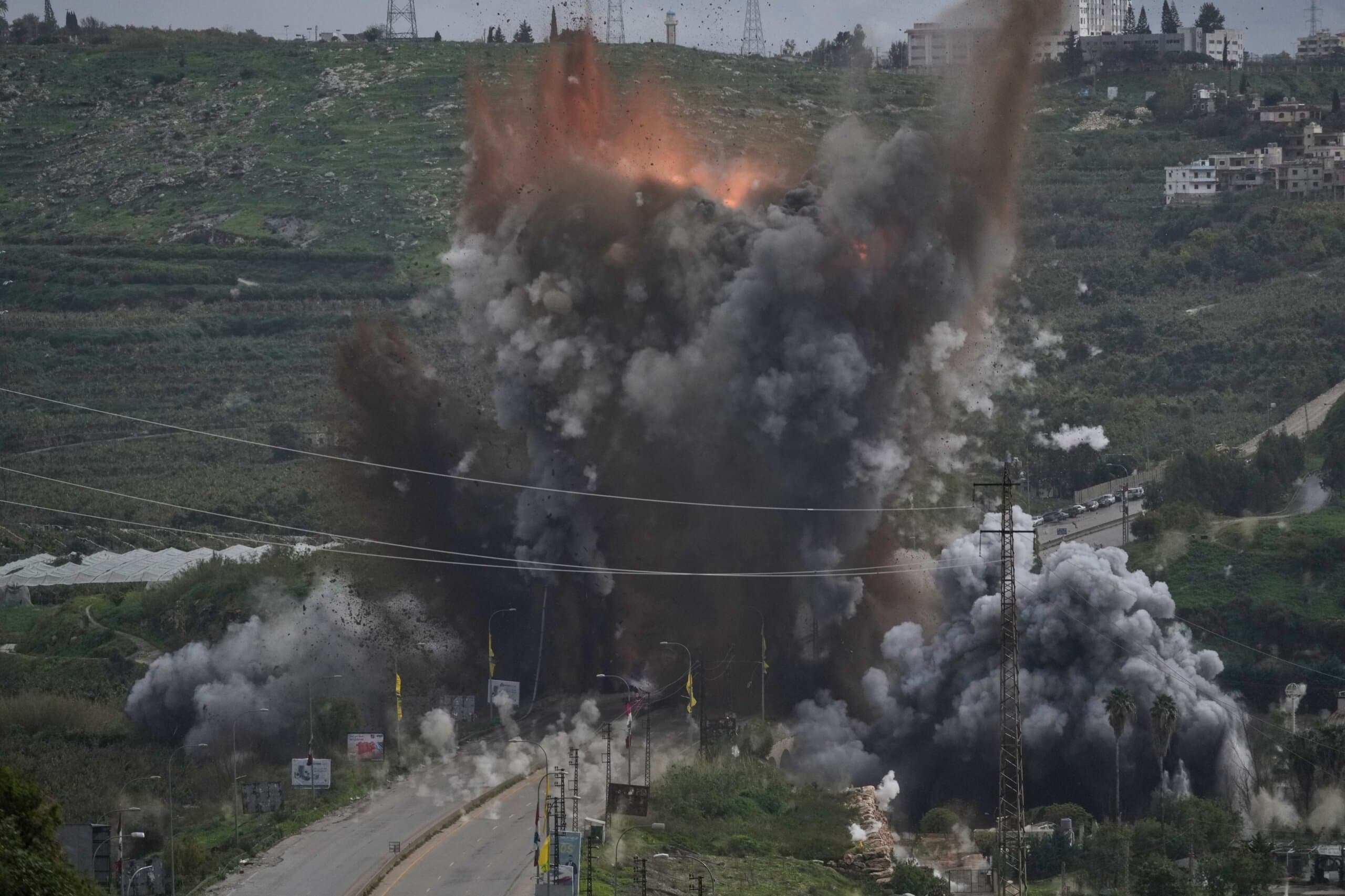
Iranian media reported that US-Israeli warplanes had struck two gas facilities and a pipeline hours after Trump stepped back from his threat to attack energy sites.

Meanwhile, Iran fired fresh missiles at Israel Tuesday, causing damage and injuries in Tel Aviv, with images showing rubble-strewn streets and building facades torn open.
The Israeli military confirmed conducting strikes on regime targets in 'the heart of Iran,' while Iran's parliamentary speaker warned that the Strait of Hormuz situation 'may not return to its pre-war status even if the conflict eventually ends.'
These ongoing military actions underscored the continued volatility of the situation despite Trump's diplomatic overtures.
Global Energy Crisis
The five-day postponement created a critical period of uncertainty for markets and global energy security, with analysts warning that the situation remained highly volatile.
While the immediate threat of strikes was diminished, energy markets remained vulnerable to Middle East disruptions due to Iran's strategic control over the Strait of Hormuz, through which about one-fifth of the world's crude oil passes.
The International Energy Agency's executive director Fatih Birol described the energy crisis as 'very severe' and warned that the global economy was 'facing a major, major threat,' potentially worse than the 1973 and 1979 oil crises.
With the Organization of Petroleum Exporting Countries having limited spare capacity to offset major supply disruptions, markets remained on high alert for any developments that could either extend the de-escalation efforts or trigger renewed military action.
More on Iran
President Donald Trump Says Talks With Iran Ongoing as Tehran Denies Claims
22 sources compared

Pakistan Ready to Host US-Iran Peace Talks, Says Prime Minister Shehbaz Sharif
28 sources compared

Pakistan mediates between U.S. and Iran as Trump sets five-day talks window.
24 sources compared

Pakistan Offers to Mediate Talks Between Iran and the United States to End Iran War.
17 sources compared