
Pakistan Ready to Host US-Iran Peace Talks, Says Prime Minister Shehbaz Sharif
Key Takeaways
- Pakistan prepared to host talks between the US and Iran, PM Sharif says.
- Reuters and other outlets identify Islamabad as a possible venue.
- JD Vance tipped to lead US side in potential talks.
Pakistan's Peace Offer
Pakistan has formally offered to host peace talks between the United States and Iran as Prime Minister Shehbaz Sharif emphasized Islamabad's readiness to facilitate meaningful negotiations.
“Islamabad, Pakistan – The Ministry of Foreign Affairs has said Pakistan is ready to host talks between the United States and Iran amid US President Donald Trump’s claims of ongoing negotiations between Washington and Tehran”
"Subject to concurrence by the US and Iran, Pakistan stands ready and honoured to be the host to facilitate meaningful and conclusive talks for a comprehensive settlement of the ongoing conflict," Sharif stated in a post on X.

Sharif added that negotiations are essential for both regional and global stability.
The Foreign Ministry spokesperson Tahir Andrabi reinforced this position, telling Al Jazeera that "If the parties desire, Islamabad is always willing to host talks."
Andrabi noted that Pakistan "has consistently advocated for dialogue and diplomacy to promote peace and stability in the region."
This diplomatic initiative follows a recent telephone conversation between Prime Minister Shehbaz Sharif and Iranian President Masoud Pezeshkian.
Both leaders agreed to continue Pakistan's constructive role in promoting regional peace.
Sharif reassured Iranian leadership of Pakistan's commitment to advancing peace efforts.
Diplomatic Mediation
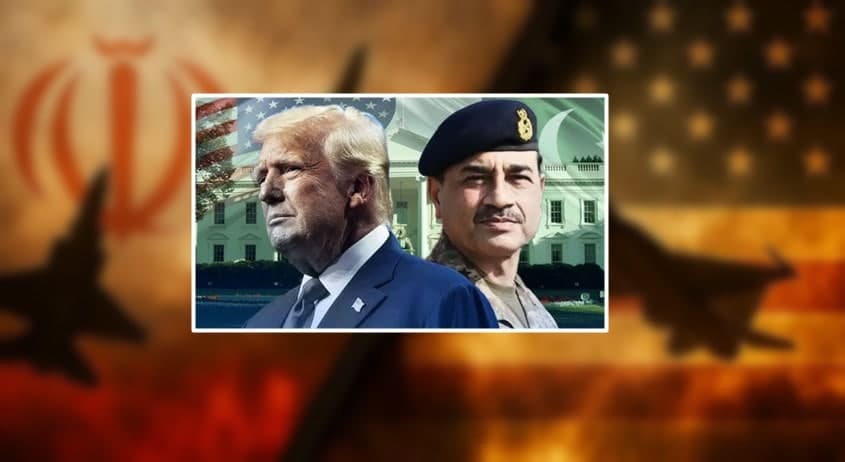
The mediation efforts have been spearheaded by Pakistan's military leadership, with Field Marshal Asim Munir holding direct communication with US President Donald Trump.
According to multiple sources including The Guardian and Bloomberg, Munir spoke with Trump on Sunday.

The discussions positioned Islamabad as a potential venue for negotiations.
Pakistan's diplomatic push is part of a broader regional mediation effort that includes Egypt, Turkey, and Saudi Arabia.
Officials from these countries are actively facilitating communication between Washington and Tehran.
Axios reported that these nations have been serving as messengers between Washington and Tehran.
They hope to broker an off-ramp in a war that has caused the greatest energy crisis in modern history.
The Financial Times noted that Pakistan is drawing on ties between its military leadership and Tehran as well as its relationship with Trump.
Diplomatic sources indicate that the mediation is ongoing and making progress toward ending the hostilities.
Conflicting Positions
The diplomatic process is complicated by conflicting accounts from Washington and Tehran regarding the status of negotiations.
“Follow Us : Spoke with my brother President Dr”
US President Donald Trump claimed on Monday that there had been "very good and productive" talks with Tehran.
Trump stated that the United States and Iran had reached "major points of agreement".
He said he had postponed strikes against Iranian power plants for five days to allow ongoing meetings to continue.
However, Iran has categorically denied engaging in direct talks with the US.
Iranian Ministry of Foreign Affairs spokesperson Esmaeil Baghaei confirmed only that "messages had arrived through friendly countries" conveying a US request for negotiations.
An Iranian official outlined Tehran's conditions for ending the war.
These conditions include guarantees against future military action, closure of all US military bases in the Gulf region, full reparations from Washington and Tel Aviv.
Other conditions include an end to regional conflicts involving Iran-aligned groups and a new legal framework governing the Strait of Hormuz.
Iranian Parliament Speaker Mohammad Bagher Ghalibaf has dismissed Trump's claims of talks as "fake news".
Ghalibaf called it an attempt to "escape the quagmire in which the US and Israel are trapped," reflecting deep mistrust on the Iranian side.
Potential Formats
If talks proceed, several potential formats and participant combinations are under discussion.
Pakistan is emerging as the likely venue for these potential talks.
According to Axios, two possible formats are being considered for a meeting in Islamabad.
One format involves Iranian Foreign Minister Abbas Araghchi, US envoy Steve Witkoff and Trump's son-in-law Jared Kushner.
Another format envisions US Vice President JD Vance meeting Iran's parliament speaker Mohammad Bagher Ghalibaf.
Pakistani sources suggest that JD Vance could emerge as the leading US negotiator.
This could potentially sideline figures such as Witkoff and Kushner who previously played roles in Iran-related negotiations.
However, Iranian diplomatic sources have expressed strong resistance to engaging with previously involved US negotiators.
One source described the situation as one of "complete distrust" and "zero trust" toward Washington.
Iranian sources specifically indicated they would not accept Witkoff and Kushner as negotiators.
This reflects lingering suspicions over past negotiations that Iran believes may have been used strategically ahead of military action.
The White House has maintained a cautious stance, with Press Secretary Karoline Leavitt stating that "speculation about meetings should not be deemed as final until they are formally announced by the White House."
Strategic Significance
Pakistan's mediation efforts carry significant strategic importance given its unique position in the region.
“Pakistan is attempting to mediate in an effort to de-escalate tensions between the United States and Iran”
Pakistan has a direct stake in preventing further escalation due to its long border with Iran.
CNN noted that Pakistan relies on the Strait of Hormuz for about 90% of its oil supplies.
Michael Kugelman, a senior fellow at the Atlantic Council think tank, observed that "Pakistan mediating and hosting talks wouldn't be that surprising".
Kugelman explained this is because Pakistan is "one of the few countries with warm ties with both Washington and Tehran, and it has engaged closely and continuously with senior officials in both capitals over the last year."
The broader diplomatic initiative comes as the conflict has already killed more than 2,000 people, according to Reuters.
The conflict has intensified regional instability, upended markets, and driven up fuel costs.
It has also accelerated global inflation fears and convulsed Western defense alliances.
Despite mounting speculation and diplomatic momentum, uncertainty remains over who on the Iranian side would be authorized to approve any deal.
Multiple proposals remain under discussion without having reached general acceptance, according to the CNN report.
More on USA

Pakistan Offers to Mediate Talks Between Iran and the United States to End Iran War.
17 sources compared

Taliban authorities release American academic Dennis Coyle
12 sources compared

Senate confirms Mullin as DHS chief
14 sources compared
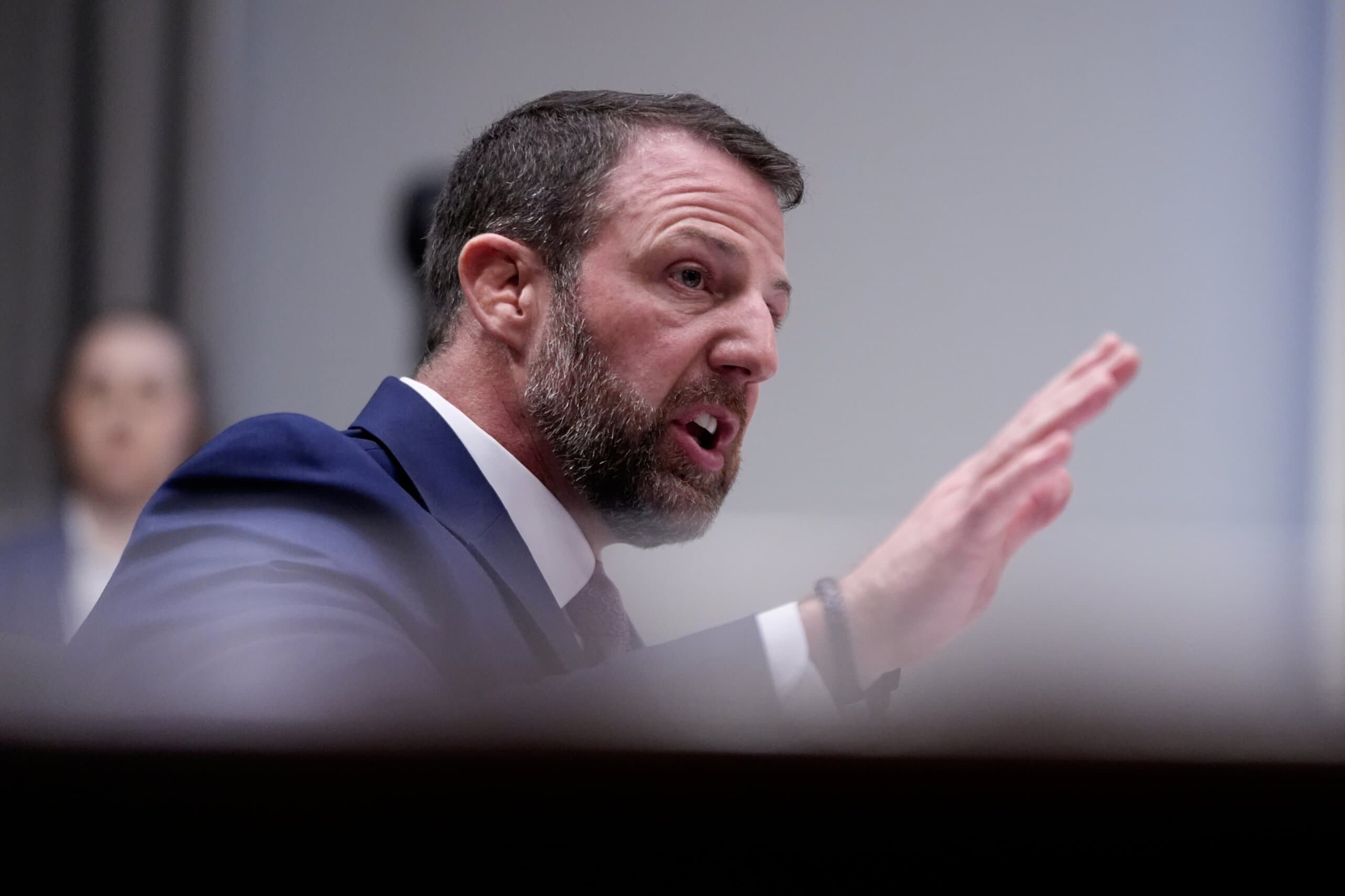
Senate confirms Markwayne Mullin as DHS secretary, set to be sworn in this afternoon.
17 sources compared