
Taliban authorities release American academic Dennis Coyle
Key Takeaways
- Dennis Coyle, 64-year-old American linguist, detained in Kabul for over a year since January 2025.
- Taliban released him after a family letter request tied to Eid al-Fitr.
- U.S. officials confirmed the release; Rubio announced he is on his way home.
Detained Academic Background
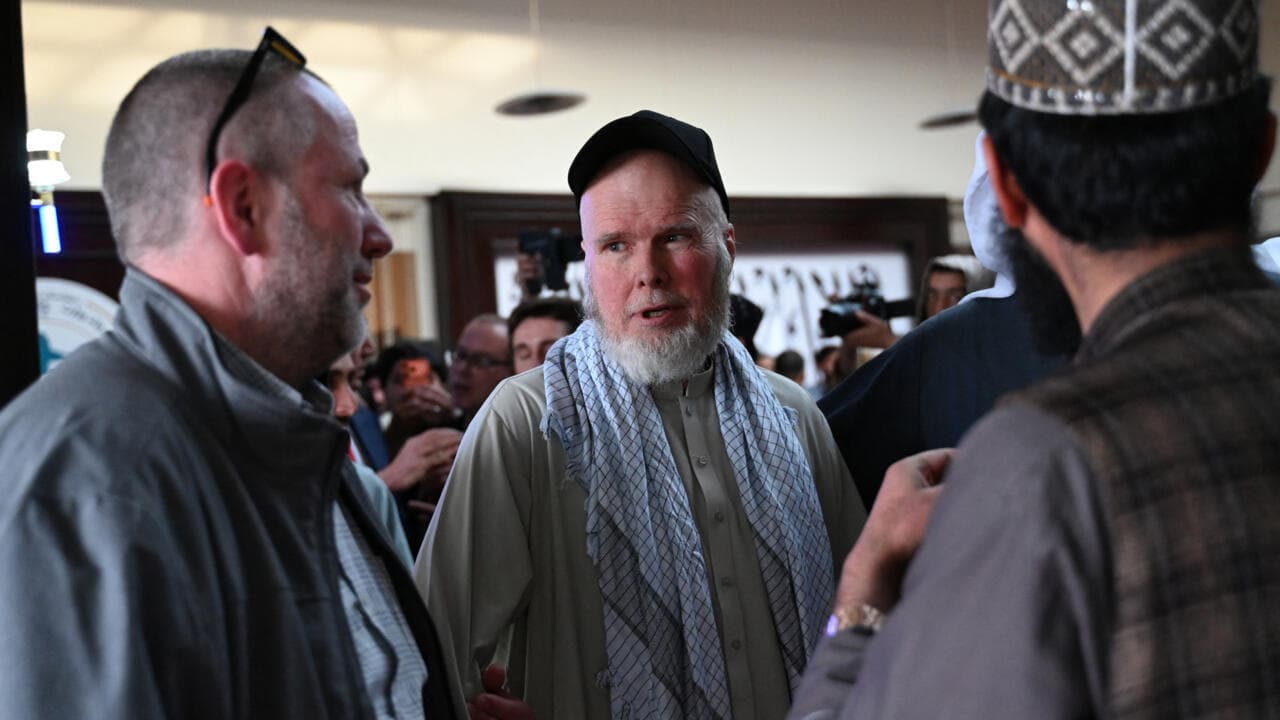
American academic Dennis Coyle, a 64-year-old linguist and researcher from Colorado, was released by Afghanistan's Taliban authorities on March 24, 2026.
“American held captive in Afghanistan released, Taliban says Dennis Coyle was freed on the occasion of Eid, the Taliban said”
Coyle had been detained for over a year since January 2025.

He had spent approximately two decades in Afghanistan conducting linguistic research on the country's rich linguistic diversity.
Coyle helped Afghan communities develop resources in their own languages according to his family and multiple news reports.
The Taliban had accused him of violating Afghanistan's applicable laws but never formally charged him.
During his detention, his family reported he was held in near-solitary conditions without adequate medical care.
Despite his circumstances, Coyle had built deep relationships with Afghan people and maintained a home in Kabul.
Release Announcement
The Taliban government announced Coyle's release on March 24, 2026.
The release came on the occasion of Eid al-Fitr, the Muslim holiday marking the end of Ramadan.

According to the Afghan Foreign Ministry, the release was granted after an appeal from Coyle's family.
Afghanistan's Supreme Court determined that his period of detention was sufficient.
The ministry's statement explained that the Supreme Court deemed the time he had served adequate.
Coyle was reunited with his family in Kabul on the day of his release.
He was preparing to return to the United States after more than 12 months in Taliban custody.
International Mediation
The release involved significant international mediation.
“A US citizen imprisoned in Afghanistan for more than a year has been released, two US officials told CNN on Tuesday, weeks after the Trump administration declared the country a state sponsor of wrongful detention”
The United Arab Emirates played a key role in facilitating the process.
A meeting was held involving Foreign Minister Amir Khan Muttaqi, US former special envoy Zalmay Khalilzad, UAE ambassador Saif Mohammed Al-Ketbi, and a family member.
Zalmay Khalilzad was present in Kabul during the handover.
Khalilzad described the release as a 'very positive development and a good decision' by the Taliban authorities.
The Taliban emphasized that the decision was made on humanitarian grounds.
The release was also described as a gesture of 'goodwill' toward international relations.
U.S. Response
The U.S. government responded to Coyle's release with cautious optimism.
Secretary of State Marco Rubio confirmed Coyle's release in a statement.
Rubio stated that Coyle was 'on his way home' after more than a year in captivity.
He noted that this release brought the total number of Americans freed under President Trump's second term to over 100 in the past 15 months.
However, Rubio emphasized that 'more work needs to be done' regarding Afghanistan's detention practices.
He criticized the Taliban for their 'practice of hostage diplomacy.'
The U.S. had officially designated Afghanistan as a state sponsor of wrongful detention on March 9, 2026.
Remaining Detainees
Despite Coyle's release, significant tensions remain between the United States and Afghanistan.
At least two other U.S. citizens are still believed to be wrongfully detained in Afghanistan.

Paul Overby, a freelance author missing since May 2014, and Mahmood Habibi, an Afghan-born U.S. citizen, remain in Taliban custody.
U.S. officials confirmed that nothing was traded or given to secure Coyle's freedom.
The designation of Afghanistan as a sponsor of wrongful detention played a role in pressuring the Taliban.
This designation will not be lifted as long as other Americans remain detained.
The situation creates continued diplomatic pressure on the Taliban government.
More on USA

Stitt appoints Alan Armstrong to fill Mullin's Oklahoma Senate seat
15 sources compared

Pakistan Offers to Mediate Talks Between Iran and the United States to End Iran War.
17 sources compared

Senate confirms Mullin as DHS chief
14 sources compared
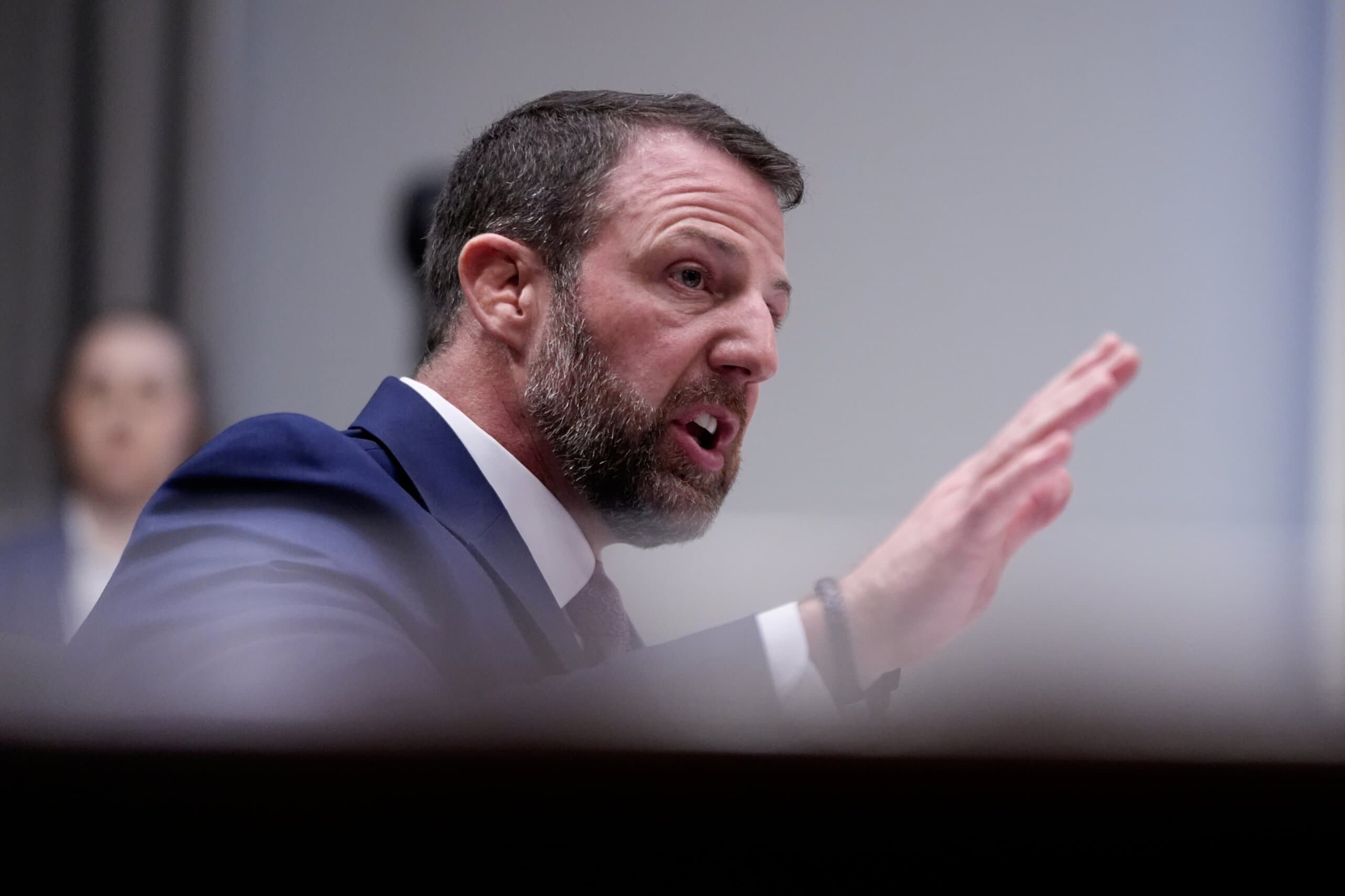
Senate confirms Markwayne Mullin as DHS secretary, set to be sworn in this afternoon.
17 sources compared