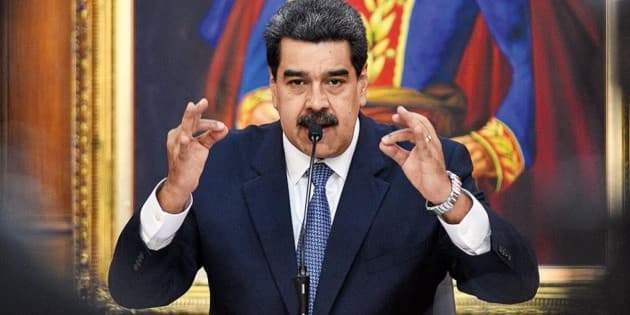
President Trump Orders U.S. Forces to Capture President Maduro in Caracas Raid
Key Takeaways
- U.S. forces seized Venezuelan President Nicolás Maduro and his wife.
- U.S. forces conducted a large-scale overnight military strike on Caracas.
- President Donald Trump announced he directed the operation and announced Maduro's capture.
U.S. raid in Caracas
U.S. forces carried out a high‑profile raid in Caracas that resulted in the capture of Venezuelan President Nicolás Maduro and his wife, Cilia Flores de Maduro.
“In the early hours of January 3, 2026, the United States carried out a military operation that culminated in the capture of Venezuelan President Nicolás Maduro and his wife, in an action unprecedented in Latin America since the Cold War”
Media reports described the operation as a direct seizure, saying U.S. forces carried out a raid on Caracas that seized Venezuelan President Nicolás Maduro and his wife.
Official accounts and other outlets likewise reported the arrests and described the strikes and detention as a dramatic escalation from previous U.S. policy toward Venezuela.
U.S. operation and messaging
U.S. officials presented the operation as a carefully planned military and law‑enforcement extraction.
The Department of War summary named the mission “Operation Absolute Resolve” and said it “involved months of planning and rehearsals and employed U.S. joint forces including special operations units.”
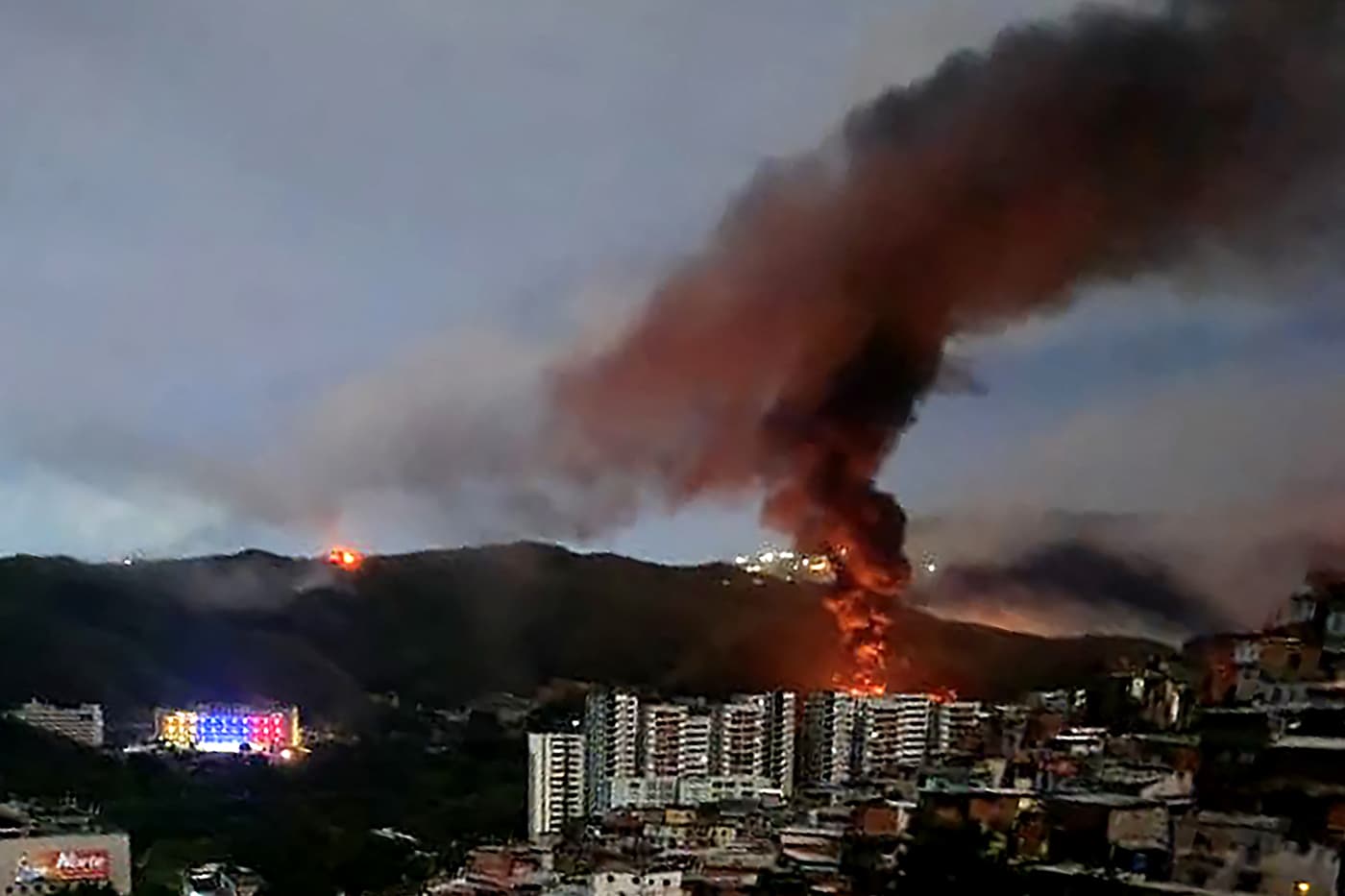
The White House framed the action publicly at a Mar‑a‑Lago news conference, with President Trump posting a photo of a blindfolded, handcuffed Maduro aboard the USS Iwo Jima, saying the United States “will run the country” until a safe transition and warning that a “second wave of strikes was possible.”
Reactions to U.S. raid
U.S. officials justified detention by pointing to longstanding criminal charges, while legal scholars and foreign governments condemned the raid as a breach of international law.
The Department of War noted that the president said both Maduro and his wife will face U.S. criminal proceedings tied to a 2020 Justice Department indictment charging narco-terrorism, drug trafficking and related offenses.
Legal scholars criticized the operation as a clear violation of Article 2(4) of the U.N. Charter and international law, with Northeastern professor Zinaida Miller calling it an unlawful act of aggression.
Russia and China condemned the U.S. action as violations of Venezuela's sovereignty, while the EU’s foreign policy chief urged respect for international law and restraint.
Venezuelan reactions to capture
Reactions among Venezuelans and expatriates were mixed and volatile on the ground.
Northeastern reported that 'Venezuelan expatriates reacted with mixed emotions—some, like Vanessa Salas Fuentes, expressed elation at the prospect of removing a repressive government but warned the move could backfire—while analysts such as Pablo Calderon-Martinez said the capture is unlikely to guarantee regime change.'
Northeastern also reported that 'Pro-Maduro supporters demonstrated in Caracas.'
U.S. statements about pursuing criminal cases and overseeing a transition further complicated responses and underscored the political stakes.
Maduro court arraignment coverage
Maduro and his wife were promptly brought to U.S. federal courts and entered pleas.
“In the early hours of January 3, 2026, the United States carried out a military operation that culminated in the capture of Venezuelan President Nicolás Maduro and his wife, in an action unprecedented in Latin America since the Cold War”
News coverage reported that two days later Maduro pleaded not guilty in a Manhattan federal courtroom to drug and weapons charges, declaring "I'm innocent."
Northeastern stated that Maduro and his wife were arraigned Monday in a federal courtroom in Lower Manhattan.
The U.S. Department of War framed the prosecutions as the stated legal rationale behind the operation reported by Pentagon News.
More on South America
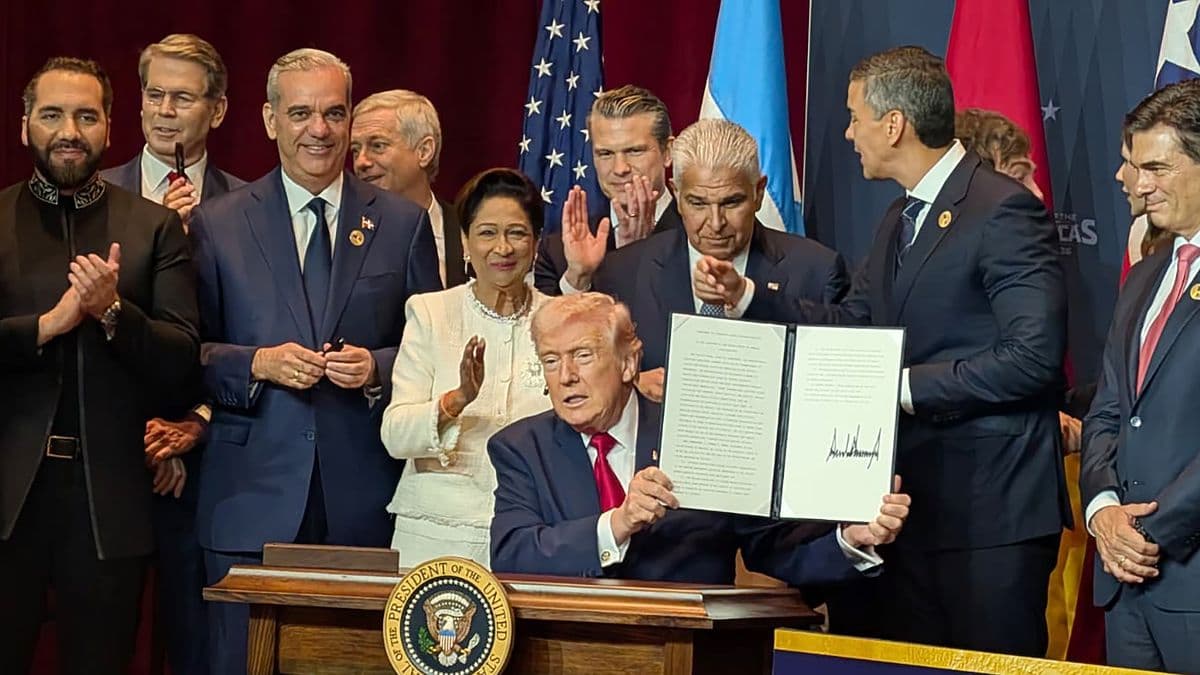
President Trump Offers Missiles to Latin America to Destroy Cartels
54 sources compared

US Restores Diplomatic Relations With Venezuela Months After Trump-Ordered Raid Captured Maduro
68 sources compared

Floods Kill 46, Displace Thousands, Bury Towns in Minas Gerais, Brazil
10 sources compared
Tarek William Saab Resigns as Venezuela Attorney General After U.S. Military Deposes Maduro
11 sources compared