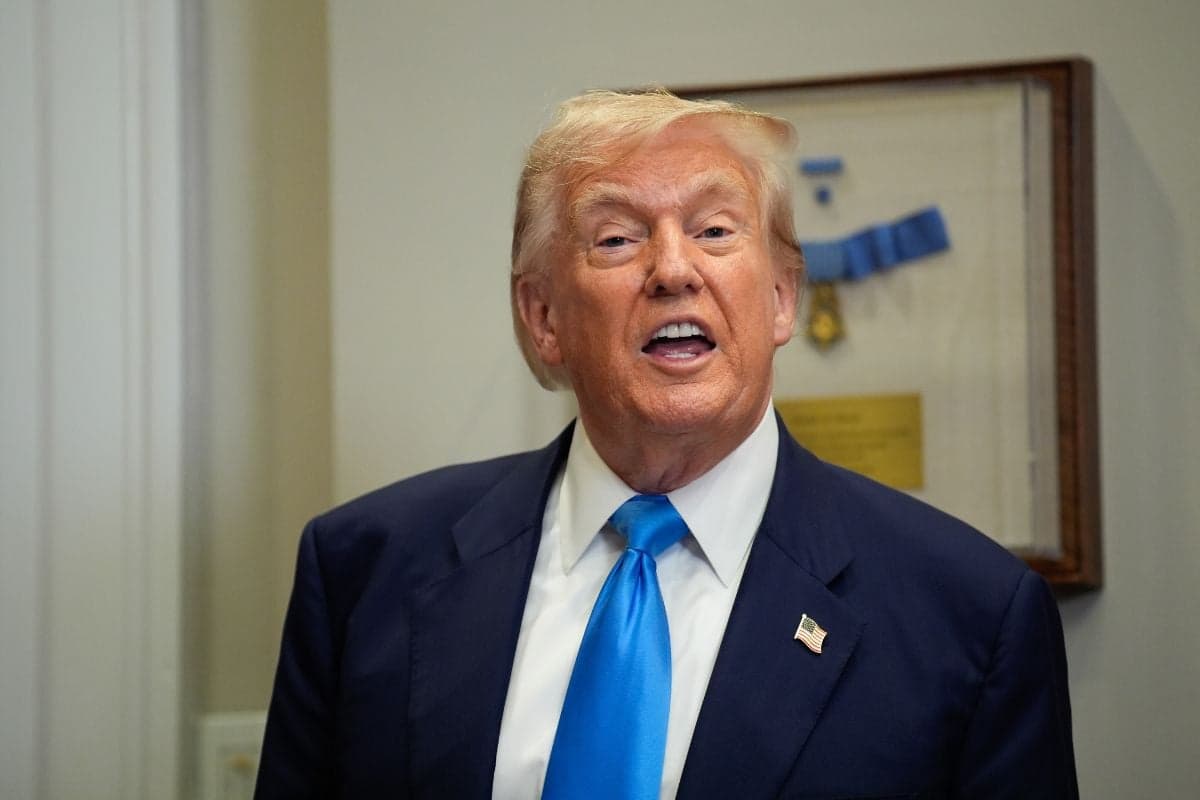
President Trump Says He Is Glad Mueller Is Dead, Sparks Outrage
Key Takeaways
- Trump posted 'glad he's dead' after Mueller's death, triggering widespread outrage.
- Mueller, former FBI director and special counsel in Russia probe, died at 81.
- Widespread condemnation from Democrats and some Republicans followed his remarks.
Trump's Provocative Remark
President Donald Trump ignited a firestorm of controversy by posting a blunt and celebratory reaction to the death of former FBI Director Robert Mueller.
“en EnglishUnited States Deutsch English Español Français Italiano العربية All languages Afrikaans azərbaycan bosanski català Čeština Cymraeg Dansk Deutsch eesti EnglishUnited Kingdom EspañolEspaña EspañolLatinoamérica euskara Filipino FrançaisCanada FrançaisFrance Gaeilge galego Hrvatski Indonesia isiZulu íslenska Italiano Kiswahili latviešu lietuvių magyar Melayu Nederlands norsk o‘zbek polski PortuguêsBrasil PortuguêsPortugal română shqip Slovenčina slovenščina srpski (latinica) Suomi Svenska Tiếng Việt Türkçe Ελληνικά беларуская български кыргызча қазақ тілі македонски монгол Русский српски Українська ქართული հայերեն עברית اردو العربية فارسی አማርኛ नेपाली मराठी हिन्दी অসমীয়া বাংলা ਪੰਜਾਬੀ ગુજરાતી ଓଡ଼ିଆ தமிழ் తెలుగు ಕನ್ನಡ മലയാളം සිංහල ไทย ລາວ မြန်မာ ខ្មែរ 한국어 日本語 简体中文 繁體中文 繁體中文香港 Sign in Sign in”
Trump wrote 'Good, I'm glad he's dead. He can no longer hurt innocent people!' on his Truth Social platform shortly after Mueller's passing was announced on March 21, 2026.
The remark came while the nation was absorbing the news of Mueller's death at age 81 following a battle with Parkinson's disease.
Trump's post immediately drew widespread condemnation for its unusually harsh tone and apparent celebration of a political adversary's death.
Trump's post came just minutes after Mueller's family announced his passing through a statement to the New York Times.
The timing and explicit nature of Trump's comment—directly expressing approval of Mueller's death—distinguished it from his previous controversial remarks about deceased political figures.
The remark removed any ambiguity about his feelings toward the man who had investigated his campaign's ties to Russia.
Mueller's Legacy and Investigation
Robert S. Mueller III's death at 81 concluded the life of a decorated public servant whose career spanned decades of service to the nation.
Mueller served as a Marine who earned both a Bronze Star and Purple Heart for combat valor in Vietnam.

Mueller served as FBI director from 2001 to 2013, taking office just one week before the September 11, 2001 terrorist attacks.
He fundamentally restructured the agency around counterterrorism efforts during his leadership.
Mueller became a central figure in political tensions when appointed special counsel in May 2017 to investigate Russian interference in the 2016 election.
The investigation lasted nearly 22 months and resulted in a 448-page report.
The report concluded Russia had systematically sought to help Trump win the election and that the candidate and his campaign encouraged their clandestine assistance.
Mueller wrote: 'While this report does not conclude that the President committed a crime, it also does not exonerate him.'
The investigation became a focal point of Trump's repeated characterization of it as a 'witch hunt,' creating the deep-seated animosity that fueled his reaction.
Immediate Political Backlash
Trump's provocative remark triggered immediate and widespread condemnation from across the political spectrum.
“Trump says he's 'glad' about Robert Mueller's death as foes pile on Amid sober tributes to the former FBI director, President Trump wrote: "I’m glad he’s dead”
Critics described it as crossing ethical and moral boundaries and undermining the dignity of the presidency.
Michael Steele, a former chairman of the Republican National Committee, called Trump 'a vile disgusting man' for his statement.
Democratic Representative Seth Moulton of Massachusetts wrote: 'Whether you support the President or not, you know this comment is disgusting.'
Former Republican Congressman Adam Kinzinger called Trump 'an abhorant piece of Human garbage.'
Senator Adam Schiff of California observed: 'Every day, this president shows his basic indecency and unfitness for office.'
Critics noted the contrast between Trump's five Vietnam draft deferments versus Mueller's decorated combat service.
Alex Vindman, a military veteran, posted: 'Draft-dodger saying this about a Vietnam combat vet and career public servant. Despicable and disqualifying in any other decade.'
Some critics highlighted Trump's apparent hypocrisy regarding his reaction to Charlie Kirk's death in 2025.
At least 30 people reportedly lost their jobs for celebrating Kirk's death, yet Trump faced no similar consequences.
Broader Political Implications
The incident raises broader questions about the evolving nature of political discourse and presidential behavior.
Political analysts argue that Trump's remark represents a new level of rhetorical escalation.
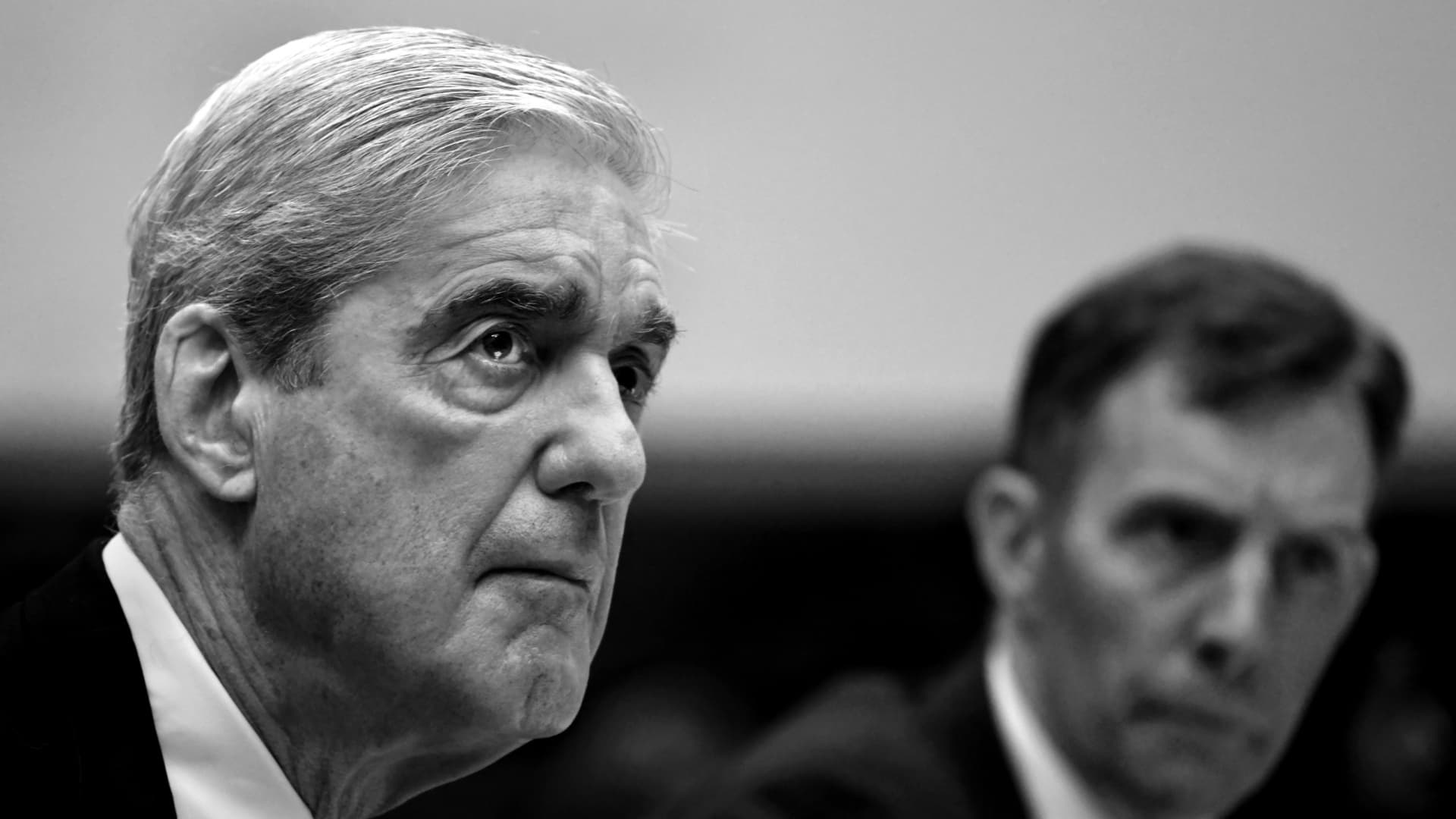
Unlike previous statements that were framed as critiques, this one directly expressed approval of a person's death.
The remark sets a concerning precedent for how public figures discuss opponents after they pass.
The incident comes amid debates about the normalization of extreme rhetoric in American politics.
Former Obama speechwriter Jon Favreau predicted: 'One day, Donald Trump will die, and his supporters will try to punish the people who say things like this.'
The contrast with statements from Trump's predecessors was particularly striking.
Former President George W. Bush praised Mueller's 'decades of public service' and his role in preventing terrorist attacks.
Former President Barack Obama called Mueller 'one of the finest directors in the history of the FBI.'
These dignified responses highlighted how far presidential discourse has deviated from traditional norms.
More on USA

Trump Deploys ICE to Screen Travelers as TSA Faces Absences
10 sources compared

President Donald Trump threatens to destroy Iranian power plants if Hormuz not opened
12 sources compared

President Trump Deploys ICE to Airports to Back Up TSA Amid Staffing Shortage
15 sources compared

Cuba Begins Restoring Power After Nationwide Grid Collapse
20 sources compared