China03 March, 20263 min read
President Xi Jinping Rubber-Stamps $30 Trillion Five-Year Plan To Weaponize PLA And Boost Growth
Two Sessions will approve the 15th Five-Year Plan guiding China’s 2026–2030 economic policy Plan aims to boost growth amid a slowing economy and high youth unemployment
12 outlets told this the same way.
15th Five-Year Plan
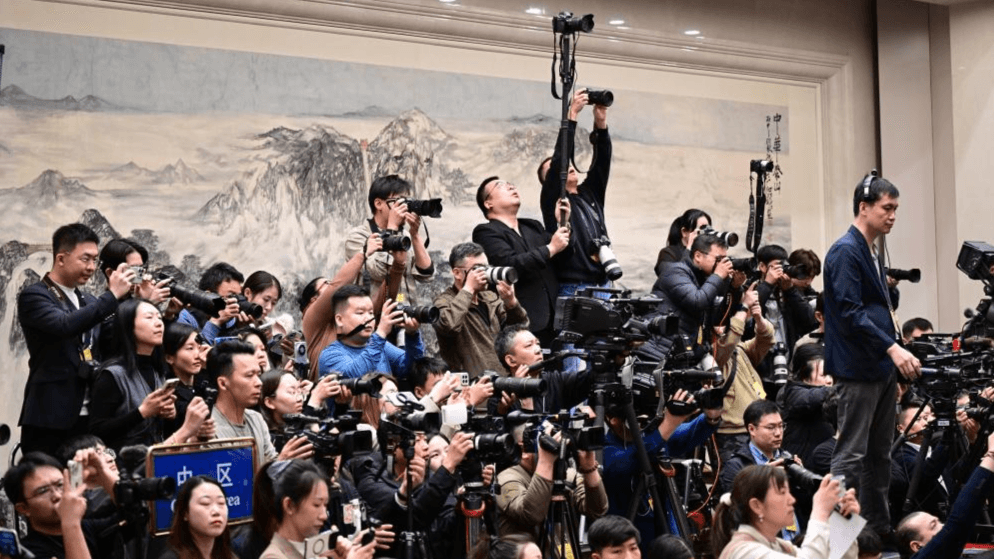
China's annual Two Sessions and the National People's Congress (NPC) provided the formal venue for unveiling the 15th Five-Year Plan (2026–2030), and multiple outlets said the meetings largely rubber-stamp top leadership decisions and will turn the draft plan into formal policy. Analysts told Free Malaysia Today that the Two Sessions "will largely rubber-stamp decisions already set by President Xi Jinping," while The Guardian described the gatherings as carrying "ritual pomp but also real strategic weight" as the NPC prepares to publish the government's annual work report and formally launch the five-year plan. China Daily states that the 15th Five-Year Plan -- to be reviewed and voted on at the next NPC session -- emphasizes high-quality growth, high-level technological self-reliance, green transformation and institutional modernization.
“China’s annual Two Sessions political meetings — the Chinese People’s Political Consultative Conference (opened Wednesday) and the National People’s Congress (opening Thursday) — will largely rubber-stamp decisions already set by President Xi Jinping, analysts say.”
China growth and tech plan
Across Western and regional coverage, analysts expect Beijing to set a markedly lower headline growth target while pivoting toward technology‑led, "high‑quality" development that prioritises domestic production in strategic industries. The Guardian reported analysts expect "a lower GDP growth target of about 4.5%—the first sub‑5% target—signaling Beijing’s willingness to sacrifice fast growth for technological and industrial self‑reliance."
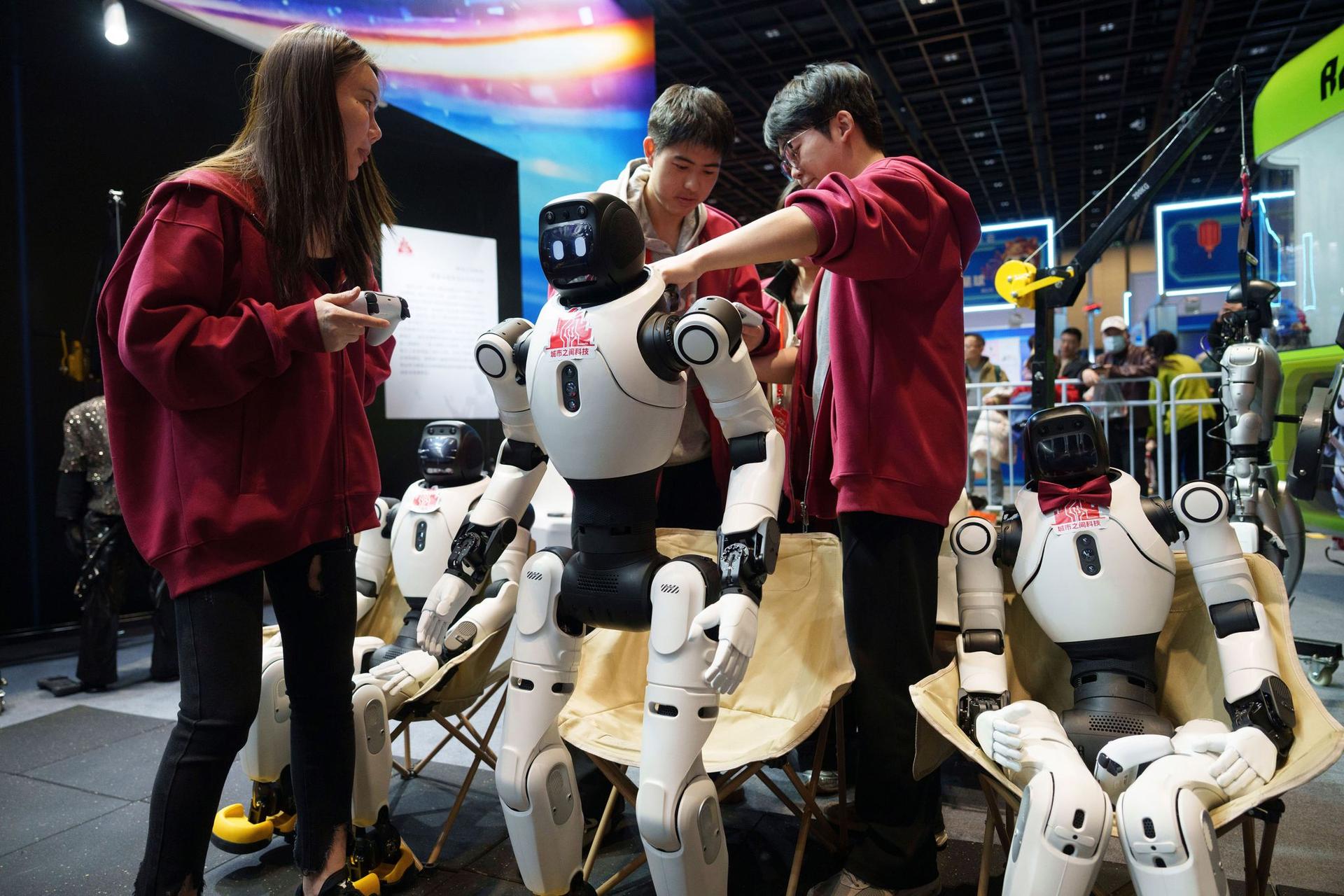
WRAL said the five‑year plan is expected to "prioritize building technological self‑sufficiency—boosting manufacturing in areas like robotics, renewables and AI." China Daily similarly framed the plan around "high‑quality growth" and "high‑level technological self‑reliance," and the BBC noted that China’s recent headline growth target had been "around 5%," with anything below indicating a shift toward slower, higher‑quality growth.

Purges and political context
The political backdrop to the plan is one of intensive internal consolidation and a high-profile purge within the People’s Liberation Army and other elite circles, which commentators say heightens the political stakes of the NPC session. The Guardian described a rare probe of top general Zhang Youxia and a 'staggering' purge 'of more than 100 senior officers since 2022.' BBC coverage noted that 'President Xi has purged numerous officers and other officials—including nine who lost NPC delegate status last week and three who lost CPPCC status this week.'
“President Xi has begun a rare probe of top general Zhang Youxia amid what researchers call a ‘staggering’ purge of more than 100 senior officers since 2022, underscoring that political loyalty is paramount even at the highest military levels.”
Brookings highlighted February's 'dismissal of top military officer Zhang Youxia,' placing these moves in a pattern of steady policy and 'high-stakes purges.' The News International framed the meetings 'against a backdrop of internal unrest after President Xi Jinping removed several senior military and defense officials in an anti-corruption purge.' The sources conflict on Zhang Youxia's status, with The Guardian describing a probe while Brookings refers to a dismissal.
Coverage of China's five-year plan
Several outlets link the five-year plan’s industrial and technological priorities to China’s strategic and defence posture, while stopping short of describing a single explicit "weaponization" program or a $30 trillion price tag. The Guardian suggested the plan’s tech push aims to blunt US sanctions, build resilience, and support Xi’s broader strategic goals, including military preparedness regarding Taiwan by 2027. Free Malaysia Today noted observers will watch whether China adjusts military planning in light of recent US and Israeli strikes on Iran and the wider Middle East crisis.
WRAL and China Daily emphasised that the plan’s focus on semiconductors, robotics, renewables and AI would boost technological self-sufficiency and industrial capacity. However, none of the supplied articles specify a $30 trillion budget or use the term "weaponize" as a formal plan objective, so that specific figure and label are not substantiated by the provided sources.