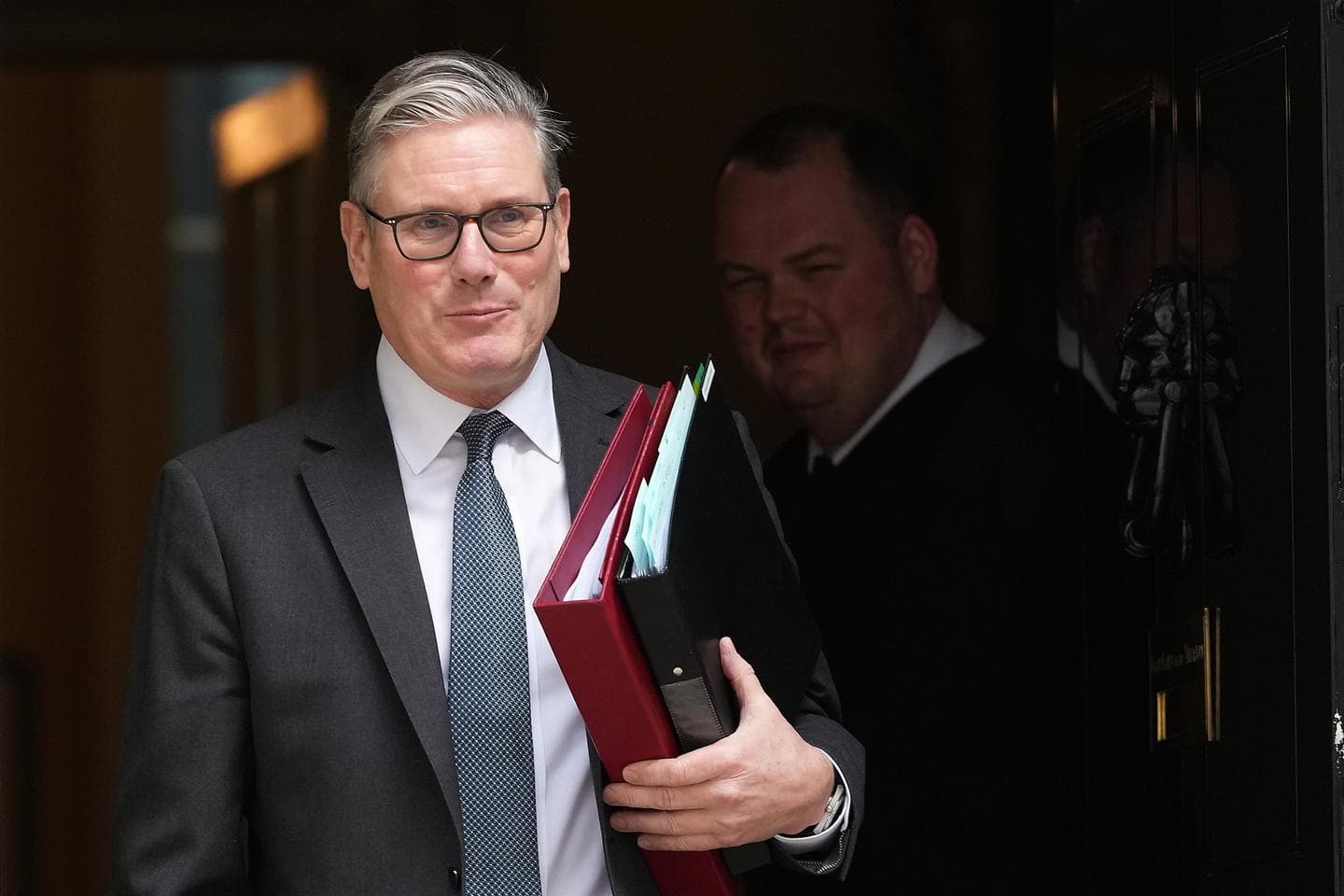
Prime Minister Starmer Knew Mandelson's Epstein Ties Risked His Ambassadorship, Documents Show
Key Takeaways
- Starmer was aware of reputational risk from Mandelson's US ambassadorship due to Epstein ties.
- Mandelson was appointed ambassador to the United States and later recalled over Epstein ties.
- British government released documents on March 11 confirming Starmer's awareness of the risk.
Starmer Warned of Risk
British Prime Minister Keir Starmer was explicitly warned about the 'reputational risk' posed by Peter Mandelson's appointment as ambassador to the United States due to his ties to convicted sex offender Jeffrey Epstein.
“This is the second part in Al Jazeera’s Blood Tech series, looking at how governments around the world – including those who have criticised Israel – are still using the technology it has tested on Palestinians”
According to government documents released in March 2026, officials had identified significant concerns about Mandelson's connections to Epstein well before his appointment to one of Britain's most prestigious diplomatic posts.

This revelation has intensified scrutiny of Starmer's judgment and the vetting processes within his government.
The Prime Minister had previously claimed Mandelson had 'lied repeatedly' about the extent of his Epstein ties.
The release of these documents comes amid broader investigations into Epstein's network following the publication of millions of documents by the US Department of Justice in January 2026.
Mandelson's Epstein Ties
The released documents paint a detailed picture of Mandelson's extensive and ongoing relationship with Epstein.
They reveal that the former European Commissioner had maintained contact with the convicted sex offender after his 2008 conviction.
Mandelson even stayed at Epstein's residence while he was in prison in June 2009.
A 2019 report commissioned by authorities noted that Epstein maintained 'particularly close relationships' with Mandelson.
Officials admitted these documents 'did not reveal the depth and breadth' of the ties between the two men.
The warnings were written in bold with the notation 'Note – reputational risk', indicating officials recognized the potential damage.
These revelations contradict Mandelson's previous claims and have led to questions about what other information may have been overlooked during the vetting process.
Political Fallout
The Mandelson-Epstein scandal has had severe political consequences for Starmer's government.
“Britain's prime minister, Keir Starmer, had been warned of the 'risk' posed by Peter Mandelson's appointment as ambassador to the United States because of his ties to the American sex offender Jeffrey Epstein, according to documents released by the British government on Wednesday, March 11”
It led to the resignation of his chief of staff and communications director in early 2026.
The Prime Minister issued a public apology, including to the victims of Jeffrey Epstein.
Starmer expressed regret for having appointed Mandelson to the ambassadorship.
Under mounting pressure from MPs, the government pledged in February 2026 to publish the documents related to Mandelson's appointment and removal.
The Treasury agreed to pay £75,000 (€86,800) to Mandelson to terminate his ambassador contract.
The government announced a 'strengthening' of the process for official appointments in response to the revelations.
Broader Epstein Impact
The broader context of the Epstein investigation continues to unfold.
The US Department of Justice published more than three million documents in January 2026 that shed light on Epstein's activities.
These documents have prompted new investigations and raised questions about potentially compromised figures in various governments.
Mandelson was recalled from Washington in September 2025 following new information linking him to Epstein.
His arrest in late February 2026 related to the Epstein files has further complicated the political landscape.
The case has also drawn attention to other connections, including links between Epstein-affiliated figures and technology companies like Palantir.
Palantir has faced criticism for its role in supporting Israel's Gaza genocide through data analysis and targeting assistance.
More on Gaza Genocide

Kuwait State Security Service foils Hezbollah-linked terror plot targeting key facilities, 10 arrested
10 sources compared

Israel to Partially Reopen Rafah Crossing for Limited Gaza Travel
13 sources compared

Israel Kills Palestinian Parents and Two Children in a West Bank Car
24 sources compared

UEFA Cancels Finalissima as Argentina Rejects Alternatives Amid Middle East War
11 sources compared