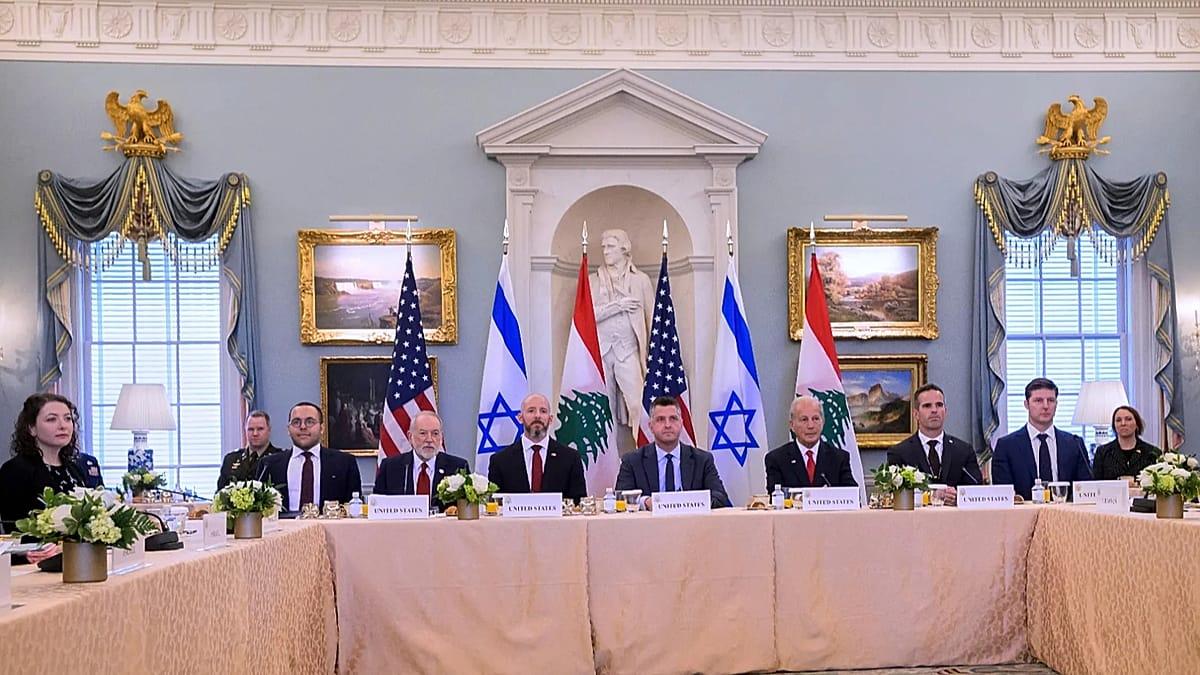
Protesters Rally in Beirut After United States-Brokered Israel-Lebanon Framework Agreement
Key Takeaways
- Lebanon and Israel signed a U.S.-brokered framework agreement in Washington to end hostilities.
- Parliament Speaker Nabih Berri calls the deal contradictory and impossible to implement.
- Hezbollah leadership denounces the agreement as surrender and null and void.
Deal signed, protests erupt
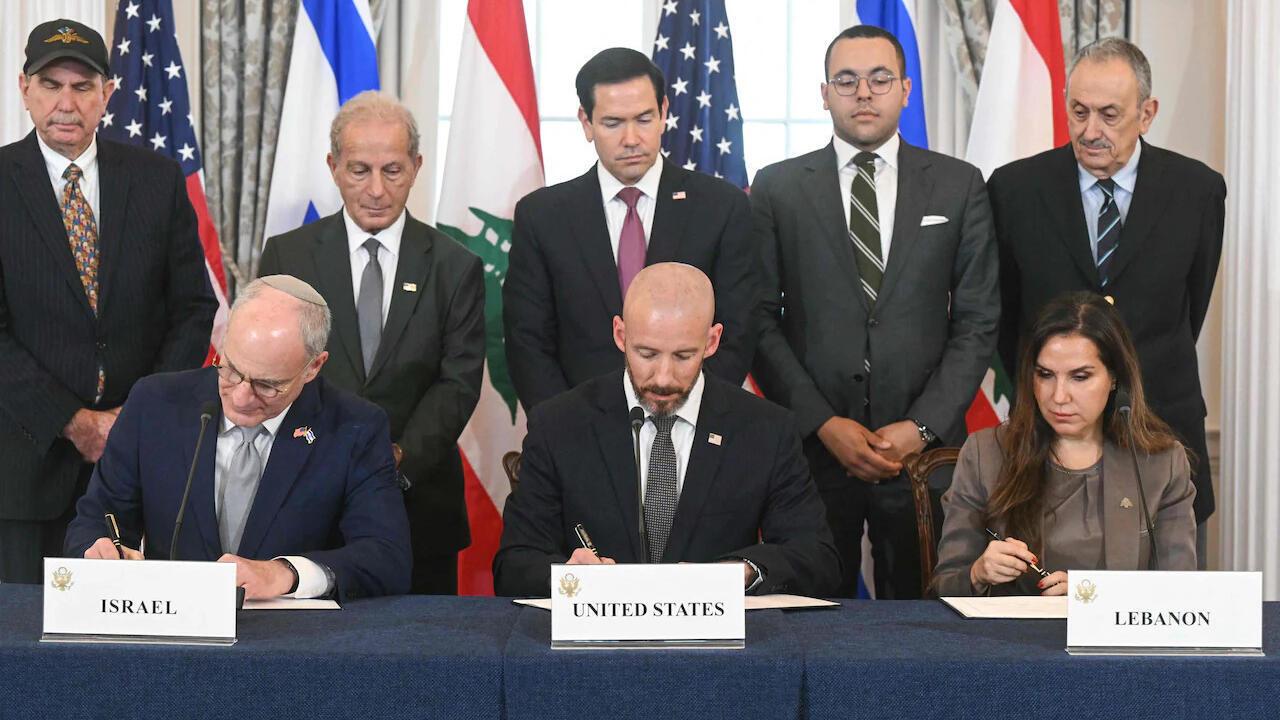
After the governments of Lebanon and Israel signed a United States-brokered framework agreement in Washington on Friday, protesters took to the streets of Beirut to express their anger at the deal.
“Beirut, Lebanon – After the governments of Lebanon and Israel on Friday signed a United States-brokered framework agreement following months of direct negotiations, protesters took to the streets of the Lebanese capital to express their anger at the deal”
The agreement was signed as Israel and Hezbollah have been fighting since October 2023, with Israel having twice escalated the conflict, first in September 2024 and then nearly four months ago.

Ali Zaytoun, a resident of Beirut’s southern suburbs known as Dahiyeh, said, “After everything my family, my village, the south, and Dahiyeh have endured – the destruction, the displacement, the grief and the loss – it is incredibly difficult for me to accept an agreement with the same state that carried out the military actions that devastated our communities,” describing multiple displacements due to Israeli attacks.
The framework text, described as a 14-point Washington agreement, states Israel has no claim to Lebanese territory and that the Lebanese Armed Forces will eventually be the authority in southern Lebanon “pending the verified disarmament of” non-state armed groups such as Hezbollah.
Lebanon’s Prime Minister Nawaf Salam wrote after the signing that it “aims to achieve Israel’s withdrawal from all Lebanese territories,” while President Joseph Aoun called it “a first step” towards restoring Lebanon’s sovereignty.
Hezbollah rejects, Israel responds
Hezbollah rejected the framework agreement as soon as it was signed, with Hezbollah Secretary-General Naim Qassem declaring it “null and void” and calling it “a surrender” to Israel.
Qassem also said, “We did not leave the battlefield in the most difficult circumstances, and we will not leave it,” while accusing the Lebanese government of making unilateral concessions that undermine sovereignty.
The BBC reported that Israeli air strikes in Lebanon killed one person and that an Israeli drone hit the southern town of Nabatieh al-Fawqa, with the Israeli military saying it targeted an individual it claimed posed a threat to its forces.
Israeli Prime Minister Benjamin Netanyahu defended the framework, and the BBC said Netanyahu called the agreement reached in Washington “historic” and “a blow to Iran and Hezbollah.”
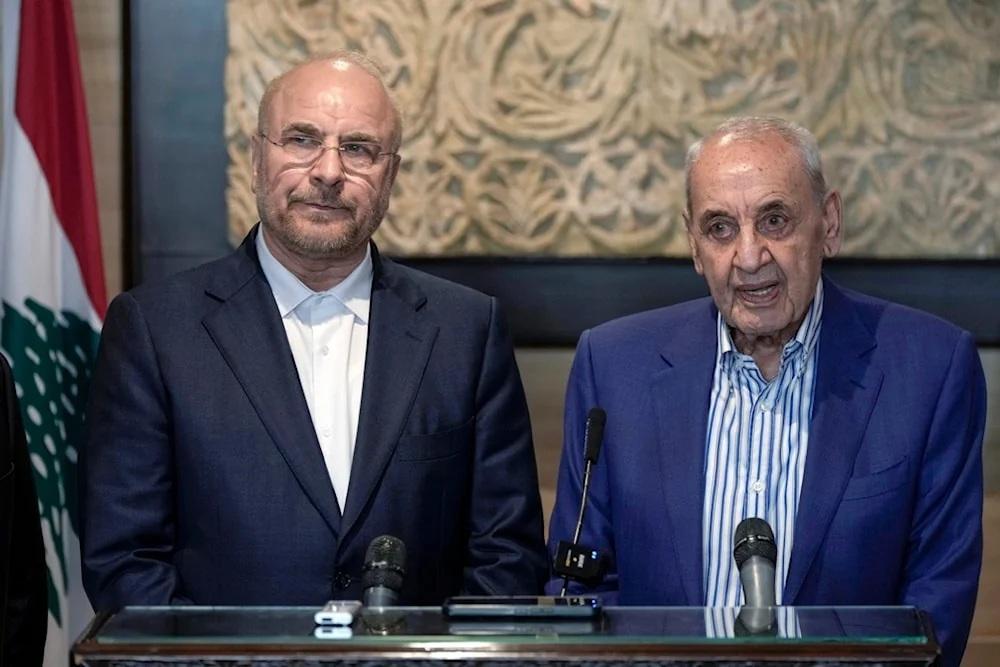
In Beirut, Parliament Speaker Nabih Berri warned against implementation, while the BBC said Hezbollah leader Naim Qassem accused the Beirut government of undermining Lebanon’s sovereignty and vowed Hezbollah would continue its armed resistance.
Implementation risks and legal stakes
Legal experts warned that the 14-point framework agreement could block victims of Israeli war crimes in Lebanon from pursuing accountability and hinder efforts to give the international criminal court jurisdiction in the country.
Farouk al-Moghrabi, a former adviser to the ministry of human rights who helped draft a law to give the ICC jurisdiction in Lebanon, said, “This will kill any hope of granting the ICC jurisdiction, even any hope of a UN fact-finding mission,” while Nizar Saghieh, a lawyer and head of Legal Agenda, said: “The government is normalising the crime and waiving its rights to ensure any investigation or the prosecution of these crimes, or even to assist the victim in their search for justice.”
The Guardian pointed to Article 13 of the deal, which says Israel and Lebanon will “cease all hostile or negative actions in international political or legal forums” to establish good faith between the two sides.
The BBC reported that under the four-point framework, Israel will withdraw its forces from the South Litani area with the Lebanese army taking exclusive control of the vacated territory, while Israeli forces are permitted to remain in an expanded security area in southern Lebanon.
The BBC also said Israeli Defence Minister Israel Katz ordered Israeli forces to “prepare for an extended stay in the security zone,” referring to an area up to 10km inside Lebanese territory.
More on Lebanon

Israel Detonates Hezbollah Tunnel Network In Majdal Zoun, Strikes Near Nabatieh
16 sources compared

Israel Strikes South Lebanon After Framework Agreement, Hezbollah Rejects Deal
10 sources compared
Protesters Riot in Beirut After Lebanon-Israel Framework Agreement, Hezbollah Flags Raised
22 sources compared

Israel Drone Strike Hits Nabatieh al-Fawqa After US-Brokered Israel-Lebanon Framework Deal
16 sources compared