Russia · 19 May, 2026 · 3 min read
Putin and Xi Fail To Sign Off Power Of Siberia 2 Pipeline In Beijing
Putin-Xi summit failed to finalize Power of Siberia 2 gas pipeline deal. POS-2 negotiations stalled; no sign-off from Xi despite extensive talks.
Whether the summit produced progress toward Power of Siberia 2.
2 of 3 outlets skipped it: al Jazeera explains POS-2’s feasibility and decade-like timeline..
17outlets compared
Same story, two versions
tap a side to read it in full
One frames no approval at all; another stresses partial parameter agreement.
Putin, Xi in Beijing
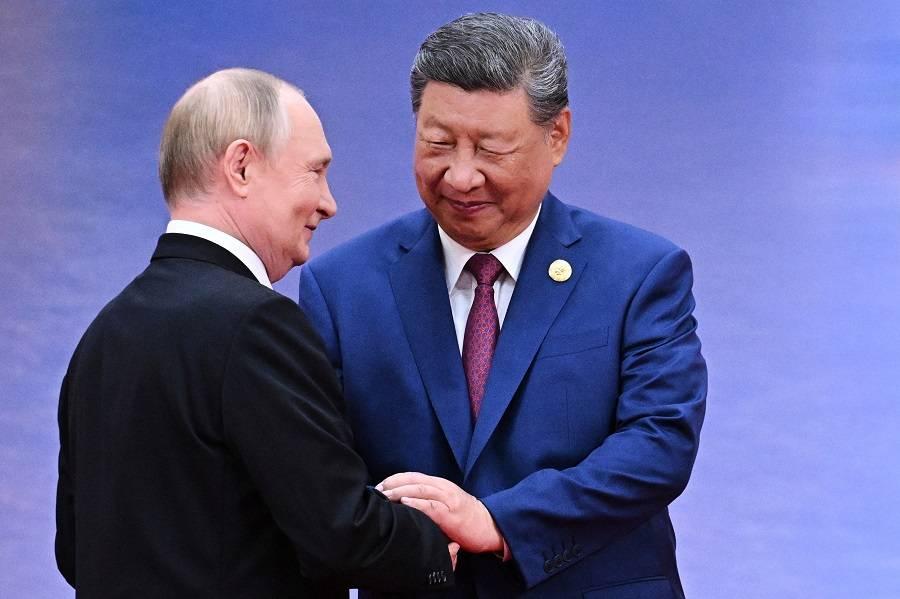
Russian President Vladimir Putin met Chinese leader Xi Jinping in Beijing on Wednesday and, despite signing more than 40 cooperation agreements, failed to persuade Xi to sign off on a major new gas pipeline sought by Russia. The pipeline at the center of the talks was Power of Siberia 2, described as a proposed 2,600-km (1,616-mile) natural gas pipeline that would carry Russian gas from western Siberia through Mongolia to China. In the same Beijing setting, Putin told those in the room that "the driving force behind economic cooperation is Russian-Chinese collaboration in the energy sector," while Xi said the countries’ ties had reached "the highest level in history."
“The two sides also agreed to extend a friendship treaty first signed in 2001.”
The talks also produced no visible progress on Power of Siberia 2, even as a Russian presidential aide said Russia’s oil exports to China grew by 35% in the first quarter of 2026 and bilateral trade reached around $228 billion in 2025, according to Xinhua. A separate account of the summit said Kremlin spokesman Dmitry Peskov told Russian media that "the president said during the talks that, overall, there is already a shared understanding of the main parameters for Power of Siberia 2."

Gas deal stalls, US criticized
At the Beijing summit, Xi and Putin condemned U.S. President Donald Trump’s Golden Dome missile defense shield plans and Washington’s "irresponsible" nuclear policy, but they still did not reach a breakthrough on the pipeline Moscow has long sought.
A joint statement issued after Xi’s summit with Putin served to underline that, while Xi seeks stable and constructive relations with Trump, he differs fundamentally with him on key issues where China’s position is closely aligned with Russia’s.

The Detroit News reported that the treaty restricting U.S. and Russian nuclear arsenals lapsed in February and that Trump did not respond to Moscow’s proposal to extend missile and warhead limits by a year, while the summit still failed to clinch the pipeline contract.
In parallel, CNBC said Putin made no mention of Power of Siberia 2 at a joint press conference, but Kremlin Press Secretary Dmitry Peskov later said Russia and China had "reached an understanding on the project's main parameters" and that "some nuances remain to be ironed out," with no clear timeframe.
The same CNBC account tied the stalled pipeline talks to the Iran war’s impact on energy markets, noting that the U.S.-Iran war that started late February "has effectively led to a closure of the Strait of Hormuz" and disrupted half of China’s oil imports and nearly a third of its LNG supply.
What’s at stake next
Multiple reports framed Power of Siberia 2 as a way for Russia to redirect gas exports after its 2022 invasion of Ukraine, with Al Jazeera describing analysts’ view that Russia wants the pipeline to replace revenue lost since European countries slashed their gas imports. Al Jazeera also said the project is expected to have a capacity of 50 billion cubic metres (1.77 trillion cubic feet) per year, nearly twice the United Kingdom’s annual electricity consumption, and that analysts expect significant hurdles remain before it can become a reality. For Russia, CNBC described the planned pipeline as carrying 50 billion cubic meters of gas annually from Russia’s Yamal fields to China via Mongolia, while also noting that pricing, financing terms, and a delivery timeline remain unresolved.
The same CNBC report warned that a deal could leave Moscow exposed to a single customer and that Beijing would be trading Hormuz maritime vulnerability for dependence on Russian-controlled energy, quoting Michael Feller that "A deal would signal not just trust, but a decision that co-dependency is safer than the alternative." In the background of the summit’s broader messaging, the Washington Post said Putin’s visit to Beijing underscored the importance—and limitations—of Russia’s growing dependency on China for energy sales, even as the leaders signaled unity without reaching the pipeline deal Russia sought.T