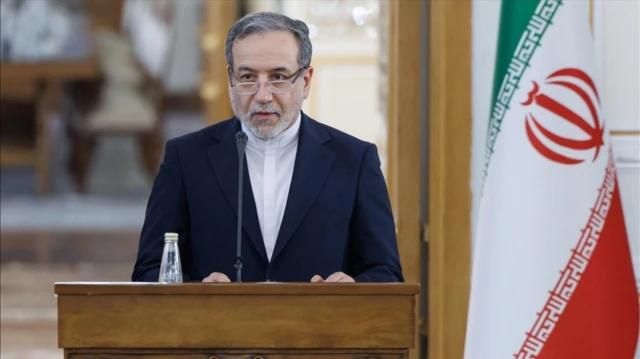
Putin Pledges Support to Iran as Abbas Araghchi Meets in St. Petersburg
Key Takeaways
- Putin pledged strong support for Iran during Araghchi's St. Petersburg talks.
- He said Moscow would do everything to advance Tehran's and its neighbours' interests.
- The meeting underscored a strengthened Russia-Iran strategic partnership amid Middle East tensions.
Putin Hosts Araghchi
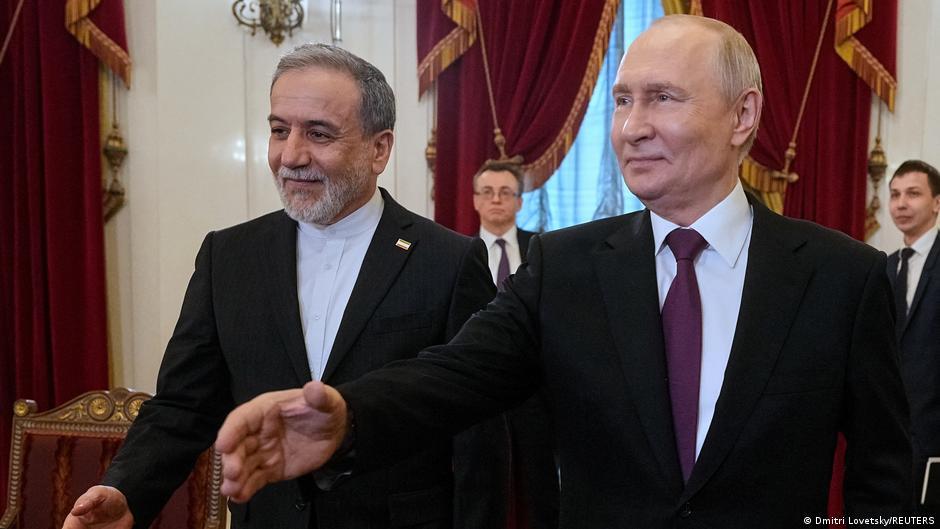
Iranian Foreign Minister Abbas Araghchi traveled to Russia and met Russian President Vladimir Putin in St. Petersburg on Monday, as negotiations between Tehran and Washington remained stalled.
“Iran FM in Russia says US has offered new round of talks Iran’s Foreign Minister Abbas Araghchi arrived in Russia for talks with President Vladimir Putin, who praised the Iranian people for battling to stay independent in the face of the US-Israel war on their country”
Araghchi said the purpose of his visit was to “discuss developments in the war and review the latest situation,” adding, “I am confident that these consultations and coordination between the two countries in this regard will be of particular importance.”

Putin pledged support for Iran and told Araghchi, “For our part, we will do everything that serves your interests, the interests of all the people of the region, so that peace can be achieved as soon as possible,” according to Russian state media quoted by DW.
Al Jazeera reported that Putin praised the Iranian people for battling to stay independent in the face of the US-Israel war, saying, “We see how courageously and heroically the Iranian people are fighting for their independence and sovereignty.”
The meeting also came as Russia’s role in diplomacy was being discussed across outlets, with Al Jazeera’s Tohid Asadi saying, “Russia is going to play a key role when it comes to both, so Iran’s FM is there for consultations.”
The Kremlin spokesman Dmitry Peskov said the “importance of this conversation is difficult to overestimate,” framing the talks as significant for how the situation in the Middle East develops.
Stalled Talks and Pressure
The Araghchi-Putin meeting unfolded against a backdrop of stalled US-Iran talks and shifting diplomatic pressure, with multiple outlets describing how Washington and Tehran were not aligned on the terms of any negotiation.
The Washington Examiner said Araghchi’s trip aimed to “discuss developments in the war and review the latest situation,” while also noting that negotiations between Tehran and Washington remained stalled.
It described how President Donald Trump called off a planned trip to Islamabad by envoys Steve Witkoff and Jared Kushner, and Trump said, “We’re not doing this anymore. We have all the cards.”
Trump told Fox News’s The Sunday Briefing that “By the time they get there, it’s hours and hours and hours of flying,” and added, “If they want to talk, they can come to us, or they can call us.”
Al Jazeera said the visit followed that cancellation and reported that Iranian President Masoud Pezeshkian reiterated that Tehran will not enter negotiations while the blockade remains in place.
Al Jazeera also reported that US Central Command (CENTCOM) said its forces were continuing to implement the blockade, and quoted CENTCOM saying, “American forces have directed 38 ships to turn around or return to port.”
DW described the wider negotiation context, saying the Russian president offered support while Moscow resisted being drawn into the Middle East conflict as it continues with its full-scale invasion of Ukraine.
Nuclear and Hormuz Divide
A central thread across the reporting was the dispute over the Strait of Hormuz and the nuclear issue, with outlets describing how Iran and the United States were talking past each other.
“Putin hosts Iran’s top diplomat as Israel strikes east Lebanon Russia’s President Vladimir Putin on Monday hosted Iran’s Foreign Minister Abbas Araghchi, telling him that Moscow would do “everything” that serves Tehran’s and its neighbours’ interest”
The Washington Examiner said Iran proposed a peace plan that “allows both sides to end the war and reopen the Strait of Hormuz,” but that the proposal “notably delays negotiations on a nuclear deal.”
It also said Trump wanted to maintain a US Navy blockade on Iran’s oil exports in the Strait of Hormuz until Iran’s oil infrastructure potentially explodes, and Trump warned the Iranians “only have about three days left before that happens.”
Al Jazeera similarly described the truce and its strain, saying Washington and Tehran agreed to a temporary ceasefire on April 8 after more than a month of fighting that began with joint US and Israeli strikes on Iran, while disputes over shipping through the Strait of Hormuz and a US blockade on Iranian ports strained the truce.
NPR reported that the Trump administration discussed the latest Iranian proposal to end “Iran's closure of the strait and the U.S. naval blockade on Iranian ports,” while also noting that NPR had not confirmed details of the proposal.
Radio Free Europe/Radio Liberty framed the nuclear obstacle by quoting analyst Amir Chahaki saying, “The nuclear issue, specifically the 450 kilograms and the enrichment, remains the central axis,” and described how Russia might try to resolve it by having Iran dilute some of it or transfer the remainder to Russia.
In parallel, the Washington Examiner reported that Araghchi blamed the Trump administration’s “excessive demands” and “incorrect approaches” for causing the stalemate.
Competing Frames Across Outlets
The reporting diverged in how it framed the meaning of Araghchi’s trip to Russia and what it signaled about the broader conflict.
The Washington Examiner portrayed the visit as a bid to “garner support from Putin” while negotiations with Washington remained stalled, and it emphasized Trump’s pressure tactics, including the decision to have Iranian negotiators “pick up the phone and call his administration.”

In contrast, the Kyiv Post described Putin’s stance as “strong support for Tehran” and quoted Putin telling Araghchi, “For our part, we will do everything that serves your interests, the interests of all the people of the region, so that peace can be achieved as soon as possible,” while also saying Araqchi told Putin Iran remained “stable, solid and powerful” despite the war.
Al Jazeera’s framing centered on diplomacy and the role of Russia, with Al Jazeera’s Osama Bin Javaid saying Pakistani officials were hopeful that diplomacy could still succeed and quoting a diplomatic source that “there needs to be a permanent end to hostilities.”
Radio Free Europe/Radio Liberty emphasized the strategic dimension and Washington’s concern, quoting Congressman Joe Wilson saying, “The United States is not confronting just Iran, but a broader Russia-Iran axis,” and describing the trip as shoring up ties as Iran resists US demands.
DW stressed Putin’s hope for peace soon and the “difficult period,” while NPR highlighted the absence of any sign of a meeting between Washington and Tehran.
What Comes Next
The sources portrayed the next phase as hinging on whether any phased deal could move forward and whether Russia’s mediation could translate into concrete steps on the Strait of Hormuz and nuclear constraints.
“Last Wednesday, Garner’s Produce hosted an event to celebrate the construction of a commercial kitchen next to its farm stand on Kings Highway”
The Washington Examiner said Iran’s proposal would allow both sides to end the war and reopen the Strait of Hormuz, but it “notably delays negotiations on a nuclear deal,” while also reporting that preventing Iran from developing nuclear weapons was one of Trump’s primary reasons for starting the war.

It further said the Iranian government threatened to resume airstrikes on oil facilities in the Middle East if its oil lines are “damaged as a result of the blockade.”
Al Jazeera reported that Russia pledged to remain a staunch ally of Iran and that Putin hoped they could get through a “difficult period” and that peace would prevail, while also noting that Iran’s foreign minister said the meeting would be “a good opportunity to discuss developments in the war and review the latest situation.”
NPR said Trump met with his national security team and discussed the latest Iranian proposal, and it quoted Leavitt saying, “the proposal was being discussed,” while also stating, “the president's red lines with respect to Iran have been made very, very clear.”
Radio Free Europe/Radio Liberty described a potential nuclear pathway by quoting analyst Amir Chahaki about the 450 kilograms and enrichment and suggesting Russia could resolve the issue by having Iran dilute or transfer enriched uranium in a way accepted by the United States.
More on Ukraine War
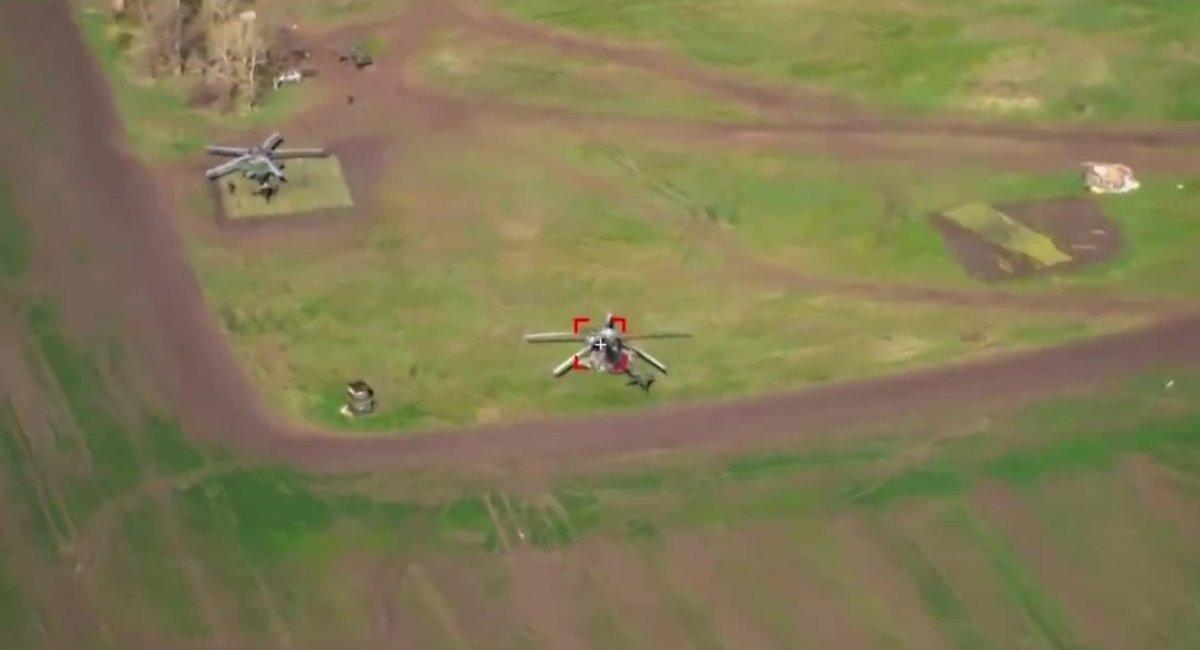
Ukrainian Drones Strike Voronezh Maintenance Site, Damaging Mi-28 and Mi-17 Helicopters
12 sources compared

Kremlin Holds May 9 Red Square Victory Day Parade Without Military Equipment, Citing Ukrainian Terrorist Activity
11 sources compared
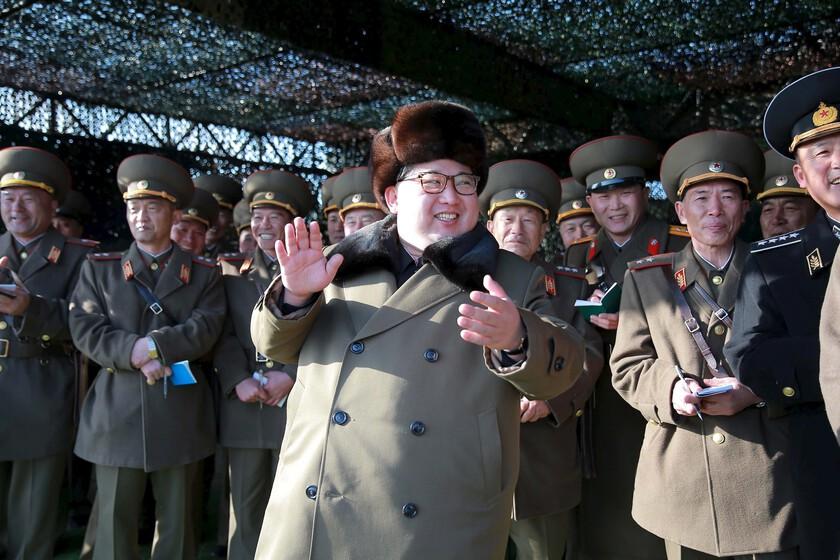
Kim Jong Un Praises North Korean Soldiers Who Detonated Grenades To Avoid Ukraine Capture
17 sources compared

Ukrainian Drones Strike Rosneft Tuapse Oil Refinery, Triggering Massive Fire And Evacuations
12 sources compared