Rashida Tlaib Forces House Stasis Over War Powers Resolution for Lebanon
Key Takeaways
- House rejected Tlaib's Lebanon war powers resolution in a bipartisan vote.
- Democrats split, with party leaders joining Republicans to defeat it.
- Tlaib pressed the measure to constrain U.S. action in Lebanon amid Iran tensions.
House clash over Lebanon war
The U.S. House of Representatives devolved into a verbal fracas during debate on a war powers resolution for Lebanon, as Rep. Rashida Tlaib, D-Mich., pushed the measure hoping to restrict President Donald Trump’s conflict in Iran.
Tlaib said, "We must end U.S. participation in the Israeli apartheid regime’s invasion of Lebanon," while the House floor turned when Rep. Max Miller, R-Ohio, tore into her personally and mentioned Hezbollah.

Rep. Jay Obernolte, R-Calif., presided over the debate from the dais and admonished, "Colleagues, this is a serious topic. We will debate it respectfully and deliberately," before the chamber moved into a parliamentary dispute.
Tlaib made a motion at a microphone, requesting to strike the words down, and the House then entered a stasis in which it suspended speeches, amendments, and votes while staff determined whether rules were broken.
“Words taken down” procedure
After Miller’s remarks, Tlaib hollered at him from across the chamber, and Obernolte intervened as the presiding officer.
Tlaib requested to strike the words down, saying, "Yes, Mr. Speaker, I am. That is a direct attack on my character. I please request to strike the words down," and the chamber then produced the phrase "Words taken down."

Obernolte said the remarks impugned loyalty, stating, "Such remarks impugn the patriotism and loyalty of the member of the House," and he added that the remarks contained personalities and were not in order.
The House sanctioned Miller for breaking the rules and benched him for the remainder of the day, with the record expunged after the chair ruled the offending language out of order.
Lebanon ceasefire and negotiations
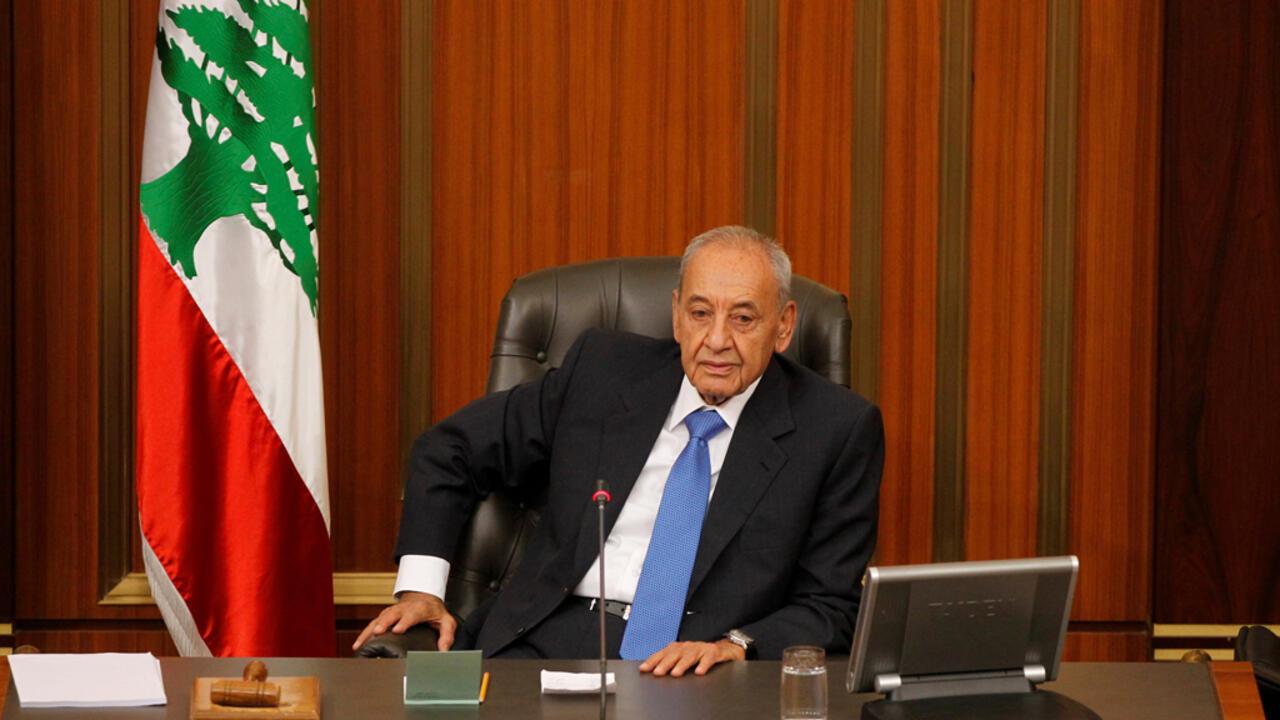
The House debate unfolded against a backdrop of Lebanon negotiations and ceasefire dynamics described in regional reporting, including Nabih Berri’s stance that there should be no negotiations between Lebanon and Israel under fire.
In an interview with the Lebanese newspaper An-Nahar, Berri said the priority should be "stopping the war before any political process," and he rejected "any negotiations without guarantees of halting the aggression."
The same reporting said U.S. President Donald Trump announced on April 16 that the two sides had reached a ceasefire for ten days, then extended it on April 23 by three additional weeks after hosting the ambassadors of the two countries at the White House.
On the ground, the Israeli army ordered the evacuation of residents of four villages in southern Lebanon located outside the security zone it had unilaterally declared, citing Hezbollah’s violations of the ceasefire, while Israel insisted any agreement must include the permanent disarmament of Hezbollah.
More on USA

Switzerland Facilitates US-Iran Memorandum Signing At Burgenstock Resort On Friday
15 sources compared
Trump Endorses Mike Collins in Georgia GOP Senate Runoff Against Derek Dooley
12 sources compared

Harshita Nair And Mahial Sran Die After Being Swept Into Ocean Near Yellow Bank Beach
14 sources compared
Trump’s White House Ballroom Costs $600 Million, Taxpayers Expected To Pay Half
18 sources compared