Technology and Science20 March, 20263 min read
Record March Heat Blankets U.S., Baking California to Nebraska
This article is an automated aggregation of coverage from news outlets. Our editorials offer in-depth analysis curated by the NewsCord team.
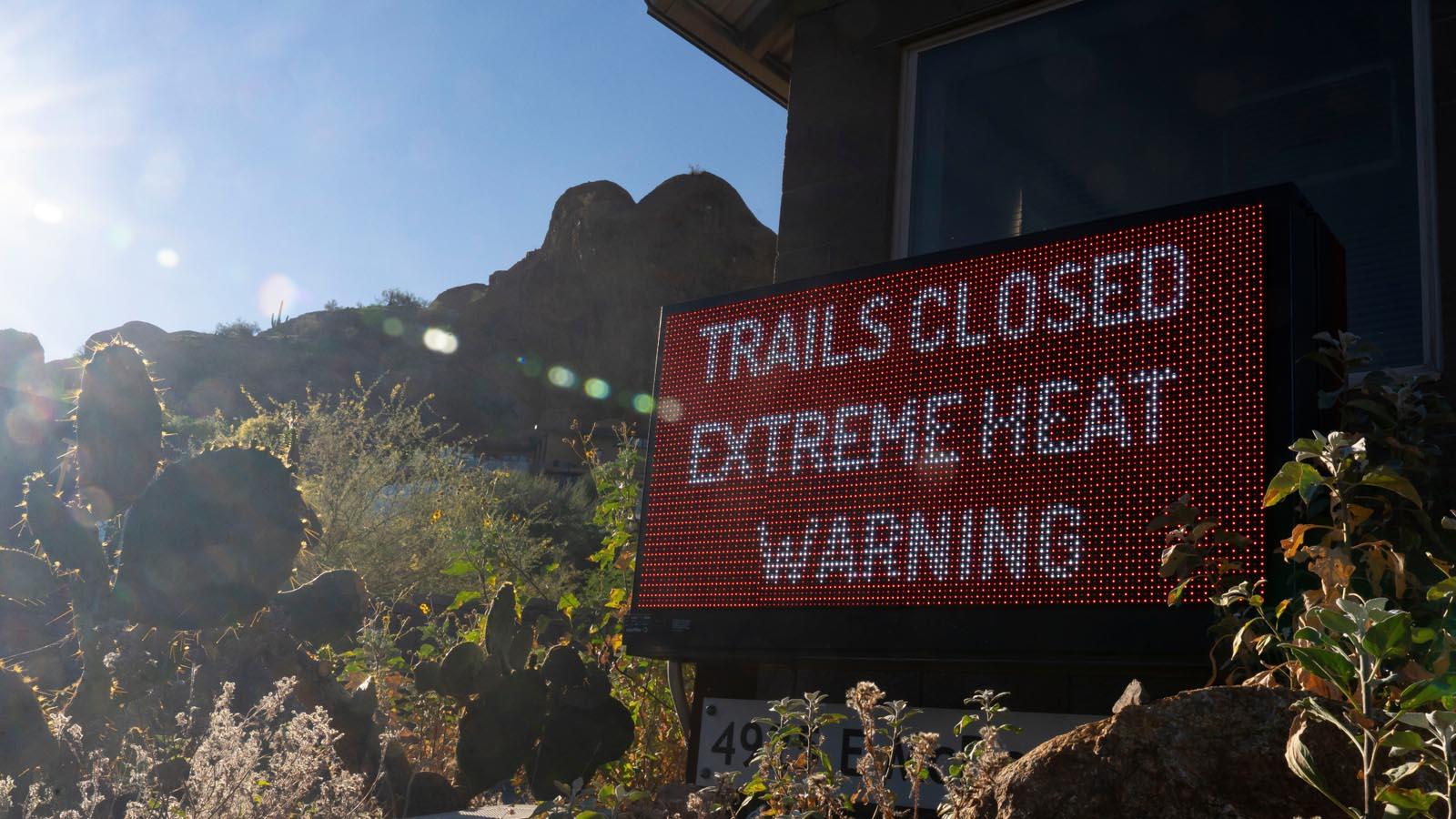
Southwestern U.S. faces extreme heat with 100°F-plus forecasts, expanding reach to Nebraska. California and Arizona, with others in the West, issued extreme heat warnings.
Record Heat Event
An unprecedented March heat wave baked the United States from California to Nebraska during March 18-21, 2026, shattering numerous all-time temperature records across multiple states. The extreme weather event brought temperatures that are typically reserved for May or June much earlier in the spring, with many locations experiencing their earliest 100-degree Fahrenheit readings on record. In Arizona and California, multiple stations tied or broke the previous all-time U.S. heat record of 108°F each day for four consecutive days, with temperatures eventually reaching 112°F at Martinez Lake, Arizona, and Fort Yuma, Arizona.
“The Yuma Desert, a desert community in southwestern Arizona, was headed toward 105 degrees (40.5 C), a day after reaching 112 (43.3 C) — a record for the highest March temperature in the United States. Two places in Southern California also hit that temperature Friday.”
Hermosillo, Mexico set a new record of 42.5°C (108.5°F), while Mexicali had previously set a March record of 40.9°C (105.6°F). The heat wave affected an estimated 40 million Americans in the western region, with temperatures ranging between 96 and 109 degrees in a widespread area during the peak days.

Climate Attribution
Scientists from World Weather Attribution concluded that the extreme March heat would be 'virtually impossible' without human-induced climate change, with rapid attribution studies showing how global warming has dramatically increased the likelihood and intensity of such events. The research found that mercury in this heat wave has risen about 1.4°F (0.8°C) higher than it would have just a decade ago, and about 4.7°F (2.6°C) higher than it would have in a preindustrial world. While still rare, a heat wave on this scale is now expected to occur about once every 500 years at any given location, compared to being vanishingly small in preindustrial times.
The Climate Shift Index, created by Climate Central, showed broad areas with Level 5 results for predicted U.S. temperatures on March 20, indicating where climate change has increased the odds of such extremes fivefold. The affected region is warming more dramatically than many other parts of the world, with typical March temperatures having risen by as much as 6°C in some areas.
Safety Warnings
The extreme heat prompted widespread emergency warnings and safety advisories from National Weather Service offices across multiple states, urging residents to take precautions against dangerous heat conditions. Weather service offices in Phoenix, Sacramento, and Hanford issued warnings about historic heat waves breaking records, with temperatures rising as records fell across California. The National Weather Service in Omaha, Nebraska, warned that 'this heat is likely to break many long-standing records from over a century ago across the area.'
“National Weather Service Hanford, California, via X on Friday: 'A rare March heat wave is ongoing, resulting in much above-normal temperatures to the Southwest. New record maximums have been observed across Central California so far, with more heat on the way to round out the week.'”
Safety recommendations included drinking plenty of fluids, staying indoors during peak heat hours, exercising only in mornings or evenings, and never leaving pets or children unattended in vehicles as 'car interiors will reach lethal temperatures in a matter of minutes.' The heat wave also disrupted travel plans during what would typically be a period of high tourism in the Desert Southwest, with temperatures expected to potentially reach Texas, Nebraska and Oklahoma by March 27, and daily record highs spanning from Los Angeles to Memphis, Tennessee by March 29.
Fire Risks
The combination of extreme heat and dry conditions created heightened wildfire risks across multiple states, with red flag warnings already in place for parts of Wyoming, South Dakota and Nebraska. Wind gusts estimated to be between 30 MPH and 45 MPH exacerbated the fire danger as the heat wave persisted. In Nebraska, evacuation orders were lifted in areas affected by the Cottonwood and Morrill fires, which had burned more than 1,200 square miles for days but were largely contained.
The areas affected were dominated by range and grassland. Climate scientists emphasized that while such extreme heat events remain relatively rare in today's climate, their frequency and intensity are increasing dramatically due to human-caused climate change.
