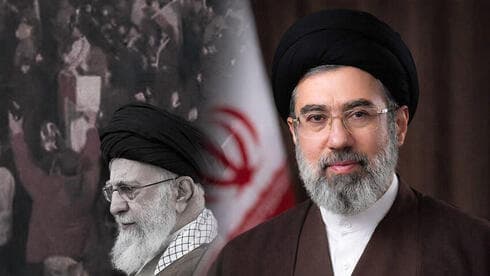
Reports Conflict: Israel and U.S. Strike Wounds Iran's New Supreme Leader Mojtaba Khamenei; Tehran Denies
Key Takeaways
- Mojtaba Khamenei was named Iran's new supreme leader
- Multiple outlets reported he suffered leg and facial wounds during U.S.-Israel strikes
- Iranian officials and state media say he is safe and staying in a 'safe place'
Succession amid war
Iran’s Assembly of Experts named Mojtaba Khamenei as Iran’s new supreme leader amid the intensifying U.S.-Israel–Iran war, and Iran’s hard-line institutions loudly endorsed the choice; outlets described the move as a consolidation of hardliner control and the first father-to-son transition since the 1979 revolution.
“British Prime Minister Keir Starmer was warned about the "reputational risks" of appointing Peter Mandelson as U”
The New York Times reported that “Iran’s military and hard-line political forces trumpeted the selection of Mojtaba Khamenei, a son of the recently killed supreme leader, Ayatollah Ali Khamenei, celebrating the ascension of one of their own.”

The Guardian noted that “Mojtaba Khamenei, the second son of the late Iranian supreme leader Ayatollah Ali Khamenei, has been chosen as his successor, as the war enters its 10th day,” and USA TODAY highlighted that “Mojtaba Khamenei's appointment marks the first time since the 1979 Islamic Revolution that the role of Supreme Leader has moved from father to son.”
Injury reports and denials
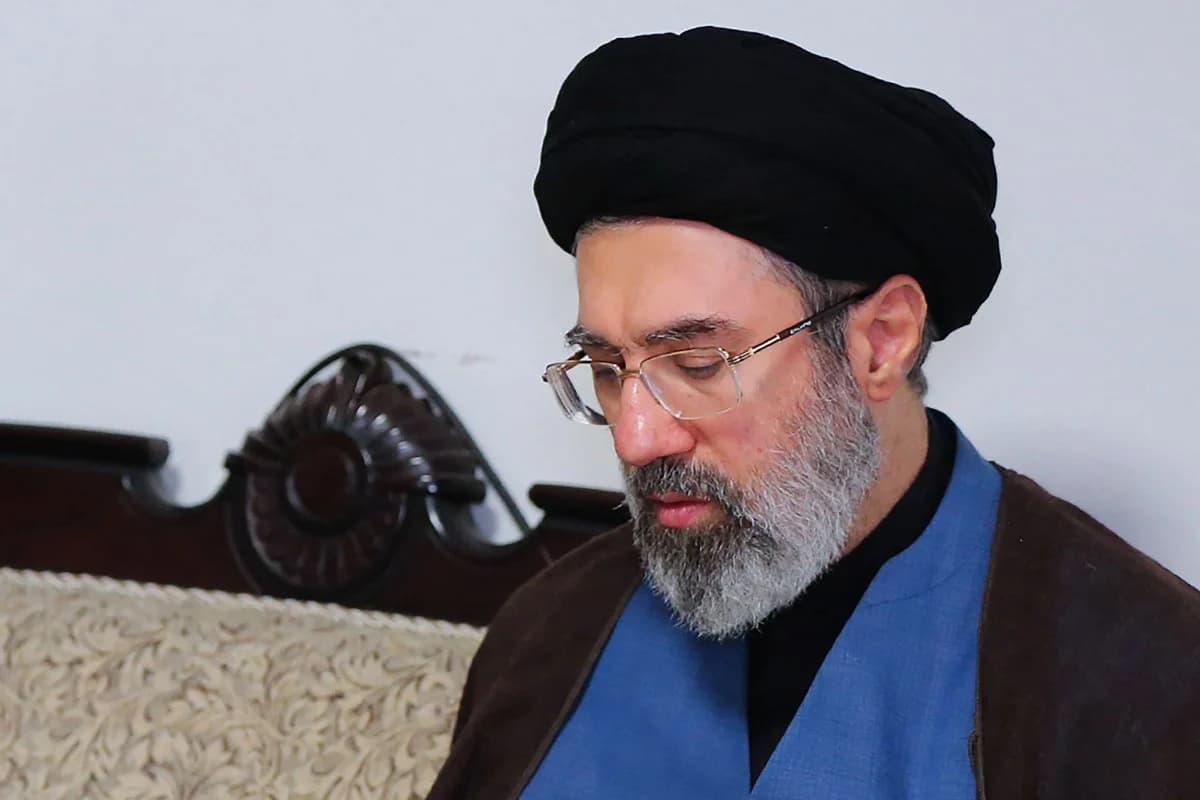
Conflicting reports emerged about Mojtaba Khamenei’s health: several outlets and anonymous officials reported he was wounded in the strikes that killed his father, while Iranian officials and presidential sources insisted he was safe and stable.
Oneindia stated that “the Iranian leader was reportedly injured during the war but is currently safe and in stable condition,” and quoted President’s son Yousef Pezeshkian saying he was told the leader was “safe and sound.”
Other accounts alleged physical injuries: Ukraine news relayed that “The new Supreme Leader of Iran, Mojtaba Khamenei, suffered a broken foot and a number of other minor injuries on the first day of the escalation,” and AnewZ reported the president saying the 56-year-old was “doing well and there is no problem.”
The New York Times–linked reporting was cited in multiple outlets noting anonymous officials who said he had sustained injuries and was sheltering in a secure location.
Domestic reactions
Iran’s leadership said the succession was legal and was cheered by security institutions even as opponents inside Iran and some analysts warned the choice could harden the country’s posture.
“Associated Press journalists Melanie Lidman in Tel Aviv, Israel; Matthew Lee in Washington; Christopher Weber in Los Angeles; and Aamer Madhani in Doral, Florida, contributed reporting”
The New York Times reported that the Revolutionary Guards praised the appointment and that state media “amplified voices supporting the new leader, cutting to scenes of large crowds celebrating,” while opponents in Tehran were quoted chanting “Death to Mojtaba.”
CBS News and Business Day noted the appointment was presented as a stability choice and that the Assembly of Experts cast a “decisive vote” in his favor, signaling the ruling elite’s preference for a hardline continuity.
Regional escalation
The appointment and the strikes that preceded it have intensified a rapid, multi-front escalation across the region: outlets documented massive strike tallies, missile and drone barrages, attacks on civilian infrastructure, rising casualties, and sharp economic fallout.
The Christian Science Monitor reported that “In the first eight days of the war, the United States and Israel carried out an estimated 4,500 strikes. Iran has struck back, with some 3,500 missiles and drones launched at Israel and at U.S. bases and the Arab nations hosting them.”
The Atlanta Journal-Constitution summarized human costs: “The war has killed at least 1,230 people in Iran, at least 397 in Lebanon and at least 11 in Israel, according to officials.”
Associated Press and GBH News documented strikes on oil and desalination facilities and a series of cross-border attacks, noting soaring oil prices and regional infrastructure damage.
International responses
International reactions highlighted sharp divisions and threats that could widen the conflict while reporting remained fragmented and sometimes contradictory.
U.S. President Donald Trump publicly derided Mojtaba’s selection, with outlets quoting him calling the prospect “unacceptable” and warning the new leader “is not going to last long,” and Tempo.co and The Week carried similar reporting of Trump’s intervention.

The Guardian and other outlets also recorded that Israel signalled it would continue strikes and that statements by Western and regional governments varied between condemnation and calls for caution.
Observers and some Iranian opponents warned that the transition and the strikes risk further hardening policies and prolonging the war, while genuine facts about injuries and precise roles remain contested in reporting.
More on Iran
US Bombs Military Sites on Iran's Kharg Island
10 sources compared
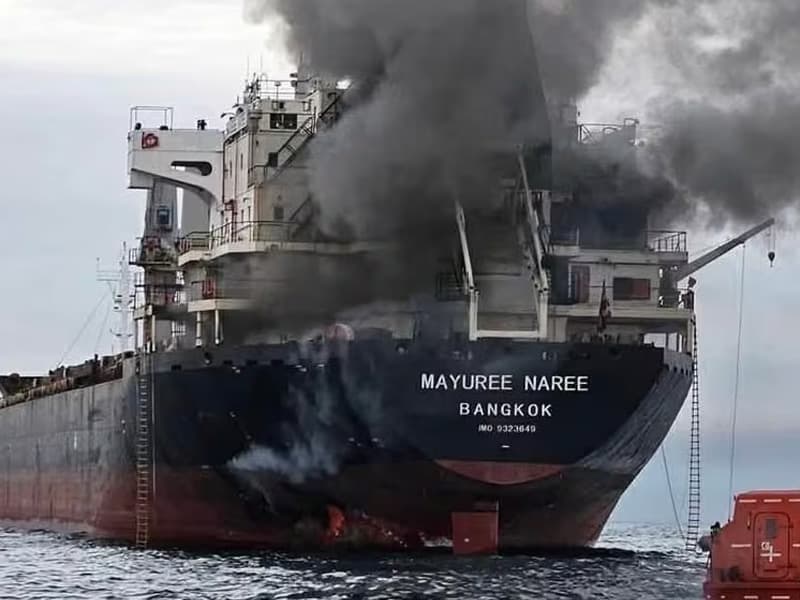
Iran Closes Strait of Hormuz, Chokes Global Shipping and Pushes U.S. Retail Prices Higher
41 sources compared
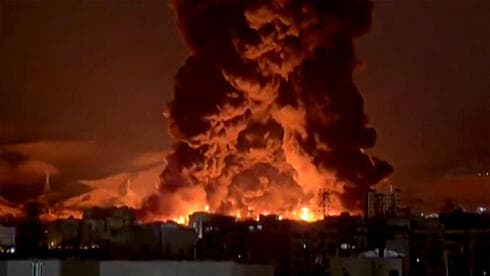
President Donald Trump Orders US Bombing of Iran's Kharg Island, Says Targets 'Totally Obliterated'
18 sources compared
US obliterates military targets on Iran’s Kharg Island, Trump warns
13 sources compared