Other19 February, 20262 min read
Researchers Film First-Ever Sleeper Shark in Antarctic Waters
This article is an automated aggregation of coverage from news outlets. Our editorials offer in-depth analysis curated by the NewsCord team.
A sleeper shark was filmed in Antarctica's deep, near-freezing waters. The shark was filmed in January 2025.
8 outlets told this the same way.
Outlets did split on Lebanon Returns 37 Smuggled Artefacts to Egypt After 2020 Port Seizure →
Antarctic sleeper shark sighting
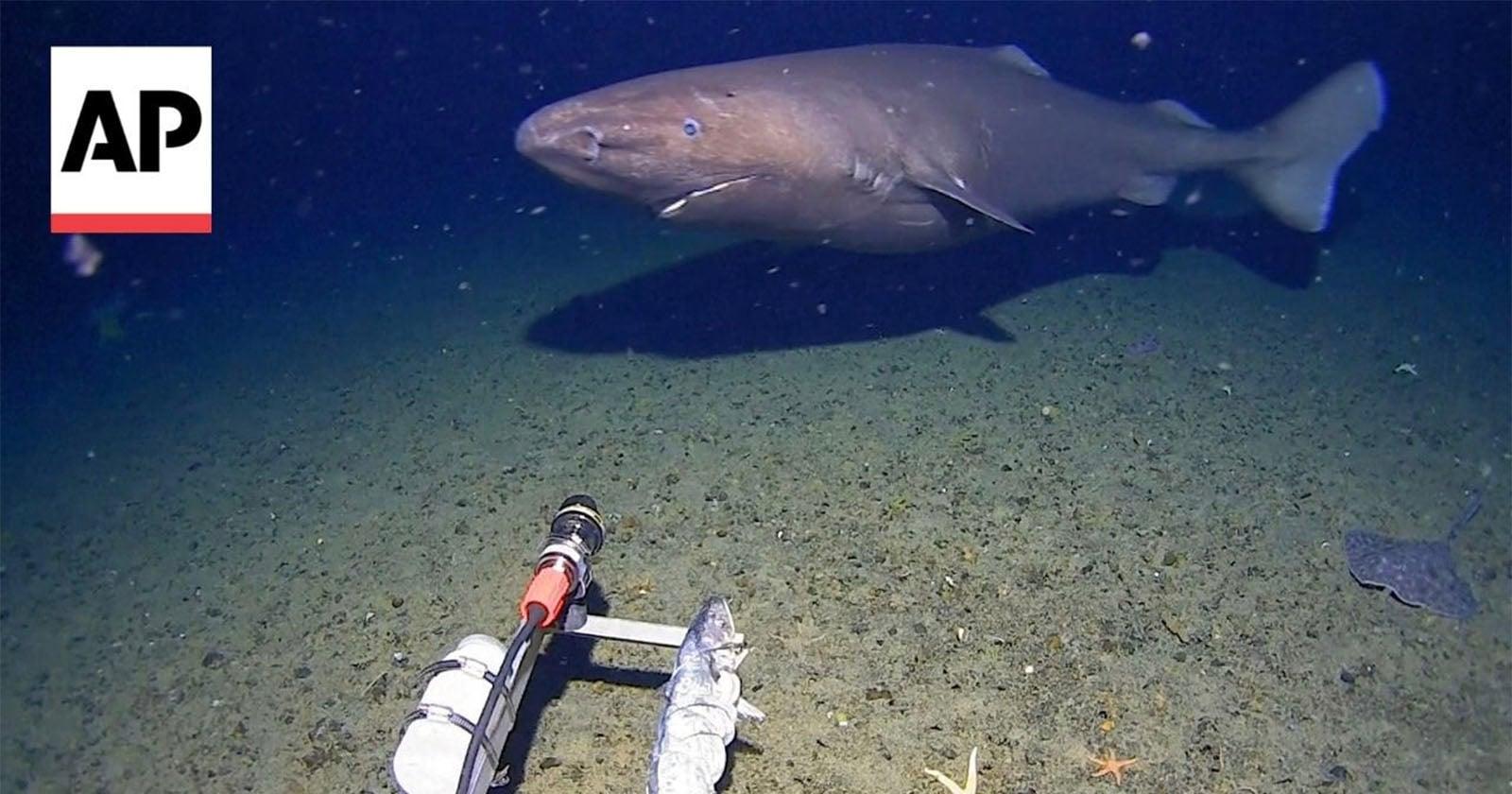
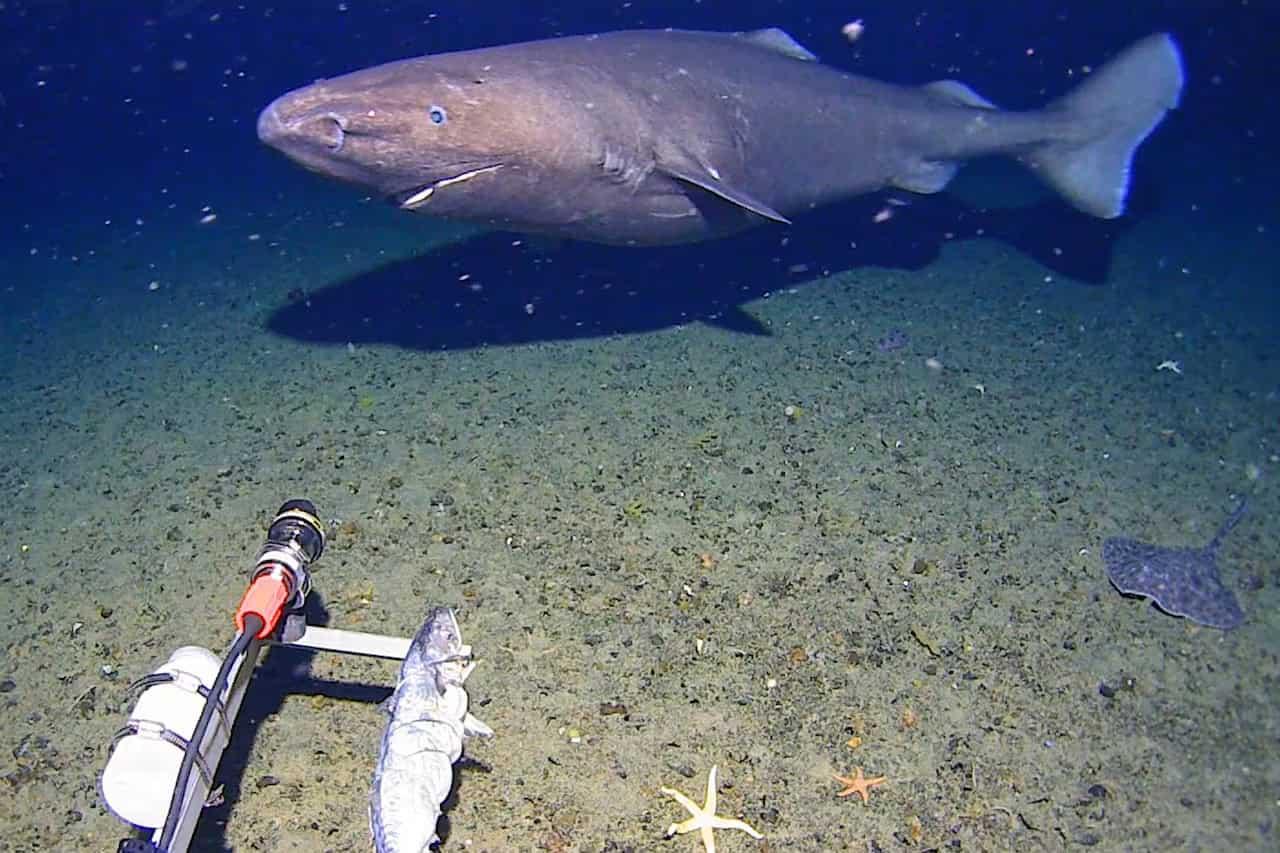
Researchers from the Minderoo‑UWA Deep‑Sea Research Centre recorded what some outlets describe as the first on‑camera sighting of a sleeper shark in Antarctic waters. The footage was captured in January 2025 and shared alongside news reports. It was taken off the South Shetland Islands roughly 70 miles (120 km) north of the Antarctic Peninsula at about 1,609 feet (490 m) depth in near‑freezing water.
“Researchers captured rare January 2025 footage of a large sleeper shark—estimated 3–4 meters (10–13 feet) long—slowly cruising over a deep, sunless Antarctic seabed.”
PetaPixel reports the team called the sighting "unexpected." CBS News and CNN frame the clip as a rare January 2025 recording that challenges prior assumptions about shark presence in the region. The Times of India labels the encounter "a rare first" and notes the video was shared with the story, underscoring both novelty and verifiability.

Deep-sea sleeper shark sighting
Footage and accompanying reports describe a large, slow-moving sleeper shark, often characterized as 'barrel-shaped' or 'lumbering', estimated at about 10-13 feet (3-4 m) long, passing a camera over a barren seafloor at roughly 1,608-1,609 feet (~490 m). Reported water temperatures are near-freezing, about 34-34.3°F (1.27°C), and the animal appeared well adapted to the cold. Multiple outlets quote researcher Alan Jamieson and Minderoo's team on the unexpected nature of the find, and the Daily Express US relays Jamieson calling the specimen 'a hunk of a shark.'
Reactions to Antarctic sighting
Scientists and commentators framed the sighting in different ways. Many outlets highlighted surprise and the challenge to assumptions that sharks were absent from Antarctic waters. Some sources combined that surprise with caution about over-interpretation.
“Explanations include climate-driven range shifts as oceans warm, or simply that remote Antarctic mid-depths are poorly surveyed and the species may have been there all along... experts called the footage significant but urged caution in interpretation given limited data.”
PetaPixel and Daily Express emphasized the unexpected nature and the researchers' astonishment. ZME Science offered possible explanations including climate-driven range shifts or poor surveying of remote mid-depths. ZME and other outlets urged caution because the data were limited.
Shark footage and ecology
ZME Science notes footage showing a skate on the seafloor that remained unbothered as the shark glided by. The outlet also describes how a sloping seabed could host a slightly less harsh layer that helps conserve energy for a large, slow predator.
PetaPixel and CBS highlight the shark’s lumbering or ungainly appearance over a barren seabed. Those visual notes inform hypotheses about adaptation to cold, low-energy habitats and why such animals might occupy mid-depth slopes.

Antarctic discovery coverage
Reporting across outlets converges on the discovery’s value for prompting more deep‑sea observation, but they differ on how strongly to read it as evidence of change. The Times of India highlights the discovery's potential to "expand understanding of Antarctic marine biodiversity and the value of continued deep‑sea observation."
“Explanations include climate-driven range shifts as oceans warm, or simply that remote Antarctic mid-depths are poorly surveyed and the species may have been there all along... experts called the footage significant but urged caution in interpretation given limited data.”
ZME Science raises climate‑shift as one possible explanation but urges caution given limited data. PetaPixel and CBS emphasize the unexpected nature of the find and the research team's prior deep‑sea work as context for continued exploration.