Riyad Mahrez’s 93rd-Minute Goal Sends Algeria Past Austria, Eliminates Iran
Key Takeaways
- Algeria and Austria drew, eliminating Iran from the group.
- BeIN SPORTS called it one of the strangest World Cup matches due to knockout implications.
- Algeria and Austria advanced to the Round of 32.
Chaos sends Algeria through
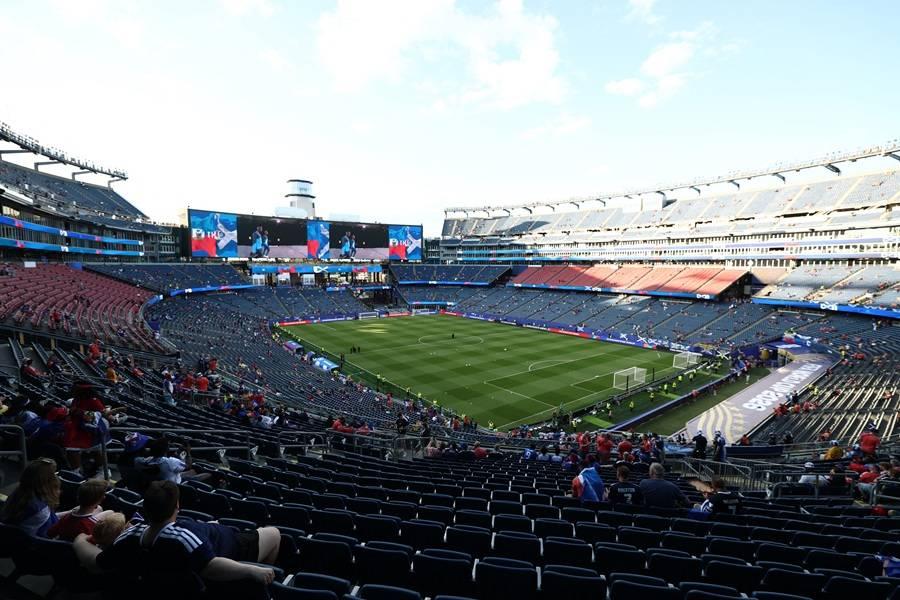
Algeria and Austria played out a draw that sent both teams through to the World Cup knockouts and eliminated Iran, with the match described as “utter chaos” and decided by a 93rd-minute goal from Riyad Mahrez and a 96th-minute equaliser from Sasa Kalajdzic.
Austria took the lead through Marko Arnautovic on 28 minutes, Algeria levelled through Rafik Belghali after the ball rebounded off the corner flag, and Marcel Sabitzer restored Austria’s lead on 55 minutes before Mahrez equalised five minutes later.

The scenario heading into the game was that the winner would progress to face Spain in the round of 32, while a draw would take both teams through, and the match slowed after the final hydration break as both sides held a result that took them into the knockouts.
The Athletic’s Jacob Whitehead and Oliver Kay described the late twist as Mahrez striking in the third minute of stoppage time to put Algeria ahead and Austria out, only for Kalajdzic to head in a 96th-minute equaliser.
In the build-up, references to the “Disgrace of Gijon” hung over the match, and The Athletic quoted referee Bob Valentine saying, “We were about 20 minutes in before I started getting a bad feeling.”
Gijon ghost and incentives
The “Disgrace of Gijon” was traced to June 25, 1982 in Gijon, Spain, when West Germany scored through Horst Hrubesch in the 10th minute and both teams effectively stopped attacking to preserve a 1-0 scoreline that sent them through while eliminating Algeria.
USA Today’s account said Algeria’s protest was filed after the match and FIFA “shrugged it off,” and it also described how “Passing backwards was legal” and “Protecting a lead was legal” because no regulation required teams to attack.
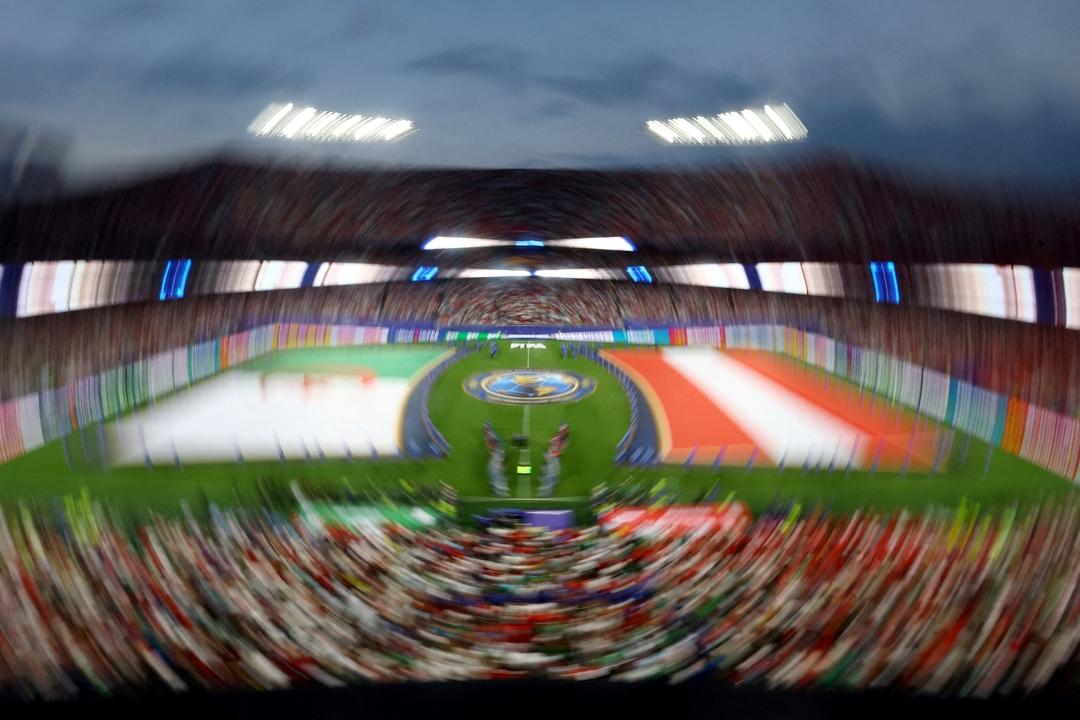
With the 2026 scenario, beIN SPORTS framed the Algeria–Austria Group J finale as a match where “winning could actually be the worst possible outcome,” because the knockout bracket could route Austria toward Spain or Switzerland depending on the result.
beIN SPORTS also tied the unusual incentive to the Gijon legacy, noting that “Beginning with the1986 FIFA World CupinMexico, the final group-stage matches have been played simultaneously” to reduce the possibility of tacit understanding.
Sporting News reported that Austria boss Ralf Rangnick and Algeria counterpart Vladimir Petkovic insisted both teams will be playing to win, quoting Rangnick: “We are not sending the team into the game playing for a draw.”
Rule changes and what’s at risk
The stakes of the Group J finale were set against the broader 2026 World Cup structure, with beIN SPORTS describing how a draw could send both teams through while a loss could change each team’s Round of 32 opponent.
“On Tuesday, April 28, IFAB, which oversees the rules of football, decided to introduce two red cards for the 2026 World Cup, one of which concerns players leaving the field to protest”
Al Jazeera Sport listed the Group 10 teams as Argentina, Austria, Algeria, and it said the Round of 32 qualification system would be applied for the first time in the tournament’s history, with the top two in each group plus the best eight third-placed teams.
Al Jazeera Sport also described a “historic change” to tiebreaking, saying FIFA decided to adopt head-to-head records as the primary criterion for breaking ties between teams equal on points.
CNews reported that IFAB decided on April 28 to introduce two red cards for the 2026 World Cup, including one for players leaving the field to protest a refereeing decision, and it linked the change to what happened in the Africa Cup of Nations final earlier this year.
In the same CNews report, IFAB also introduced a red-card sanction for players covering their mouth during a verbal altercation, following controversy involving Benfica’s Argentine winger Gianluca Prestianni and a six-match ban with three suspended.
More on Sports

George Russell Secures Austrian GP Pole After Max Verstappen Crash at Red Bull Ring
14 sources compared
Reece James Misses England World Cup Clash With Panama After Hamstring Injury
25 sources compared

Jannik Sinner And Aryna Sabalenka Lead Wimbledon Prize Money Protests Over Revenue Share
14 sources compared
!role~Preview!mt~photo!fmt~JPEG%2520Baseline&w=3840&q=75)
Cristiano Ronaldo Scores Twice As Portugal Beats Uzbekistan 5-0 In Houston
15 sources compared