
Sports · 24 June, 2026 · 3 min read
Jannik Sinner And Aryna Sabalenka Lead Wimbledon Prize Money Protests Over Revenue Share
Sinner and Sabalenka lead Wimbledon protests over prize money share despite rising purse. Leading players limit media duties to 15 minutes at Wimbledon.
How Sinner frames the protest: money vs broader tennis issues.
3 of 4 outlets skipped it: pegula says protests may continue at the US Open..
12outlets compared
Same story, two versions
tap a side to read it in full
Shifts emphasis from financial grievance to process/agenda-control.
Wimbledon protest over money
At Wimbledon on Saturday, Jannik Sinner and Aryna Sabalenka led players’ protests over prize money share by limiting media appearances to 15 minutes as part of a push for more prize money as a share of tournament revenue, plus investment in pensions and more money toward player welfare. The Guardian said Wimbledon reacted after protests at the French Open by increasing its prize money for this year’s event by 20% to £64.2m, while the players claim that equates to just over 14% of the All England Club’s revenue based on 2025-26 predictions.T
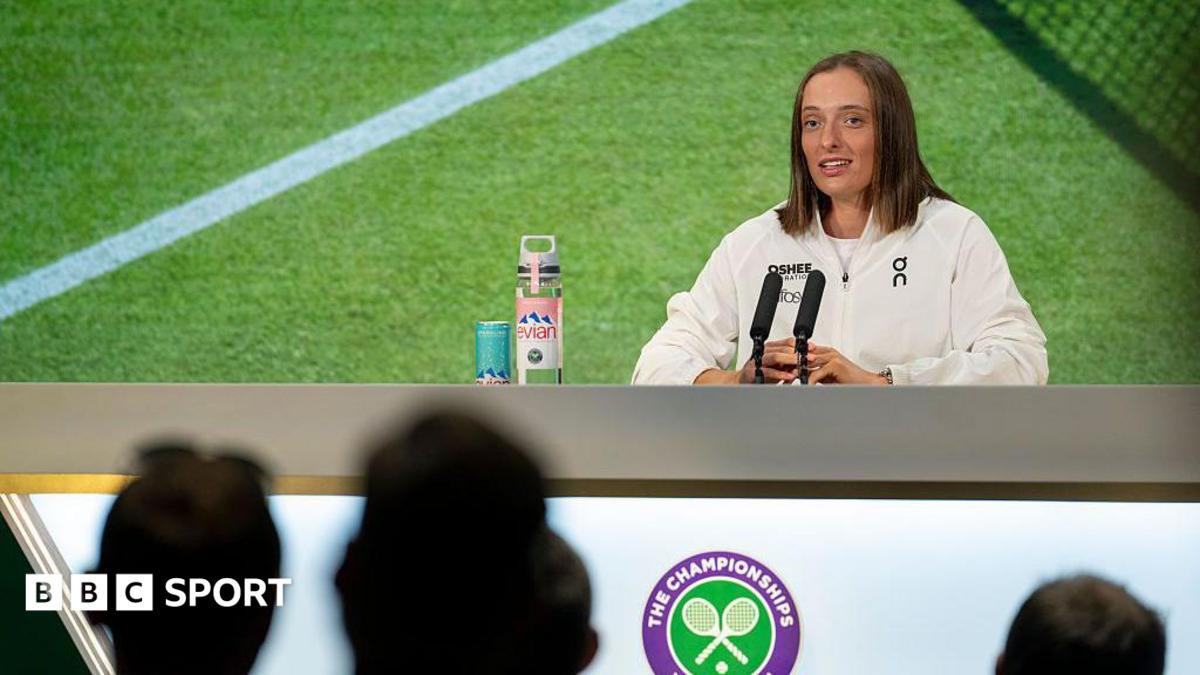
Sinner conducted a normal-length press conference of about 10 minutes, saying it’s “not only about the money,” while Sabalenka cut her press conference short and said, “If you look at the prize money over the last 10 years [as a share of revenue], it’s stayed the same.” The BBC reported that Wimbledon’s overall prize money increased by 20% to a total prize fund of £64.2m, and that Sabalenka hoped the world’s leading players would not have to “boycott” their Grand Slam media duties again after Wimbledon.

Voices split on tactics
Aryna Sabalenka defended the protest by saying it was for struggling players, telling reporters, “We do it for the tour, we don’t do it for ourselves.” The BBC described signs that not all players were sticking to the time limit at Wimbledon, and it quoted Medvedev saying, “Nobody is angry - it is just a discussion.”
Telangana Today reported that Sinner wanted to “talk about tennis” rather than engage with questions about the protest, saying, “I just think it’s better if we don’t discuss here, I don’t like to talk about this at the moment.” TThe Guardian added that while the players were largely united in their message, the way they went about it was “a bit chaotic,” and it noted that Novak Djokovic was not part of the protest as he stepped away from the current protests.T
What’s at stake next
The BBC said the 15-minute limit on media appearances is meant to symbolise the 15% of revenue that the Grand Slams allocate to prize money, while representatives of the players are asking each Grand Slam to provide a 16% slice of revenue in prize money, increasing to 22% by 2030. Al Jazeera reported that Wimbledon’s 64.2 million pounds ($84.7m) pot equates to about 15 percent of the tournament’s revenue, short of the 16 percent about 70 million pounds ($92.4m) that the players sought, and it said a first Wimbledon title would earn Sabalenka 3.6 million pounds ($4.7m).
The Guardian said Wimbledon’s prize money increase came alongside investing hundreds of millions of pounds in upgrades to player facilities as part of a three-year transformation, while the players are being advised by Larry Scott, the former CEO of the WTA Tour. TIn the BBC’s account, Wimbledon’s chief executive Sally Bolton told BBC Sport on Friday she was “surprised and disappointed” by the move to protest, and it said the All England Club had increased its overall prize money by 20% to £64.2m while players continued to limit their media commitments.