
Russia Accuses United States of Failing to Deliver Alaska Understandings as Ukraine Drone Strikes Intensify
Key Takeaways
- Russia says US failed to deliver on Alaska summit understandings.
- Alaska summit between Putin and Trump occurred in August 2025.
- Ukraine campaign intensifies, heightening Moscow pressure on Washington over understandings.
Alaska ‘Understandings’ Disputed
Russia accused the United States of failing to deliver on “understandings” reached between presidents Vladimir Putin and Donald Trump at a summit in Alaska last August, a shift Reuters said suggests growing frustration in Moscow.
“20 Minutes with AFP Published August 13, 2025 at 2:15 AM • Updated August 13, 2025 at 2:32 AM The diplomatic idyll between Russia and North Korea continues”
The Reuters report said the accusations came as Ukraine’s drone strikes intensified deep inside Russia, including two attacks last week on a Moscow oil refinery, and after a Group of Seven summit where Ukrainian President Volodymyr Zelenskiy told Trump and other Western leaders that Kyiv was turning the tide of the war.
Moscow rejected that assessment and continued heavy attacks of its own, while Reuters reported that three senior Russian officials said Washington had not followed through without providing specifics.
Kremlin aide Yuri Ushakov said on Sunday that only one side had remained committed to the understandings, “while the other side, as it now appears, has not been fully able to do its part”.
Reuters also quoted Foreign Minister Sergei Lavrov suggesting the Alaska summit may have been a U.S. “ploy to buy time to rearm the Kyiv regime”.
Moscow’s Frustration, Diplomacy Stalled
Reuters reported that Lavrov’s deputy, Sergei Ryabkov, accused the U.S. of departing from the “fundamental understandings” reached in Alaska, while also saying dialogue with the U.S. would continue.
The same Reuters account said Russia viewed the U.S. as shifting attention away from Ukraine diplomacy after February, when Trump launched a war against Iran together with Israel.

Oleg Ignatov of the International Crisis Group told Reuters that Russia was dismayed by the absence of U.S. mediation efforts and said, “There’s no structured diplomatic process, there’s no deal on the table, there’s actually nothing.”
In a separate report, Firstpost said Russia’s accusations were tied to intensified Ukrainian drone attacks deep inside Russian territory, including strikes last week that targeted an oil refinery near Moscow.
Firstpost also repeated the Kremlin’s “spirit of Anchorage” framing, saying it reflected Moscow’s belief that Trump understood Russia’s position, particularly its demand for control over the entire Donbas region in exchange for freezing the front lines elsewhere.
Pressure, Escalation, and Next Moves
Reuters quoted Austrian analyst Gerhard Mangott as saying the shift reflected Moscow’s nervousness at a “very critical situation for the Russian economy and military” amid a surge in Ukrainian attacks inside Russia.
“The President of the United States, Donald Trump, stated this Wednesday, January 21, 2026, at the World Economic Forum in Davos, Switzerland, that the negotiations between Russia and Ukraine to end the war are at a decisive point”
Mangott told Reuters that Putin “needs to give a response that is visible to the population and that demonstrates that he still has cards to play,” predicting further military escalation and a Russian push to get Trump back onside.
Putin, speaking about the recent Ukrainian strikes, said on Tuesday that “the entire West” was working for Kyiv, as Reuters reported alongside the Kremlin’s rejection of mediation by European governments.
The Reuters report also said Russia wanted the U.S. side to resume diplomacy to help Russia end the war on its own terms, while Ignatov said Russia was frustrated by the decline in U.S. diplomatic engagement since Washington shifted attention toward the Iran conflict earlier this year.
In the same Reuters account, Moscow’s stance was linked to the idea that European governments were unlikely to encourage Kyiv to make major concessions, even as the Kremlin continued heavy attacks of its own.
More on Russia

U.S. Authorizes Iranian Oil Sales Through August After Talks in Switzerland
18 sources compared
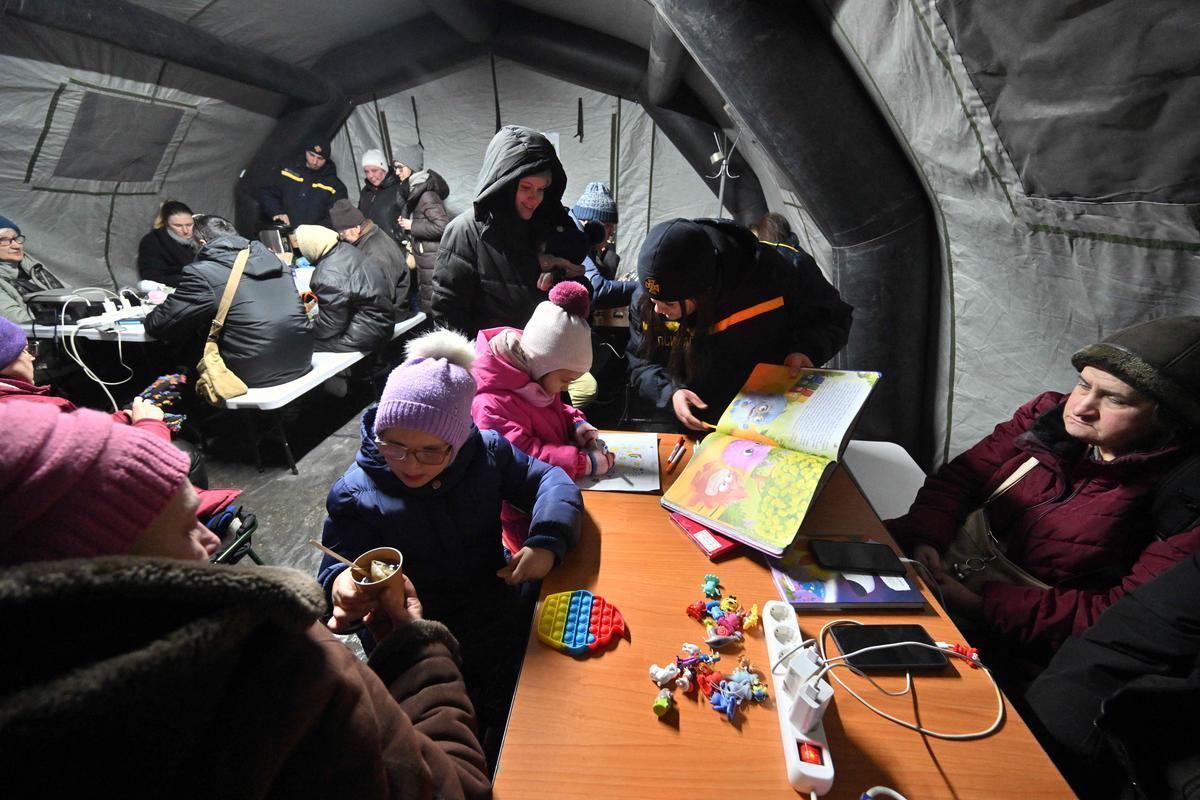
Russia Lancia Attacchi Massicci Su Kiev E Kharkiv, Colpiti Edifici Residenziali E Infrastrutture Energetiche
10 sources compared
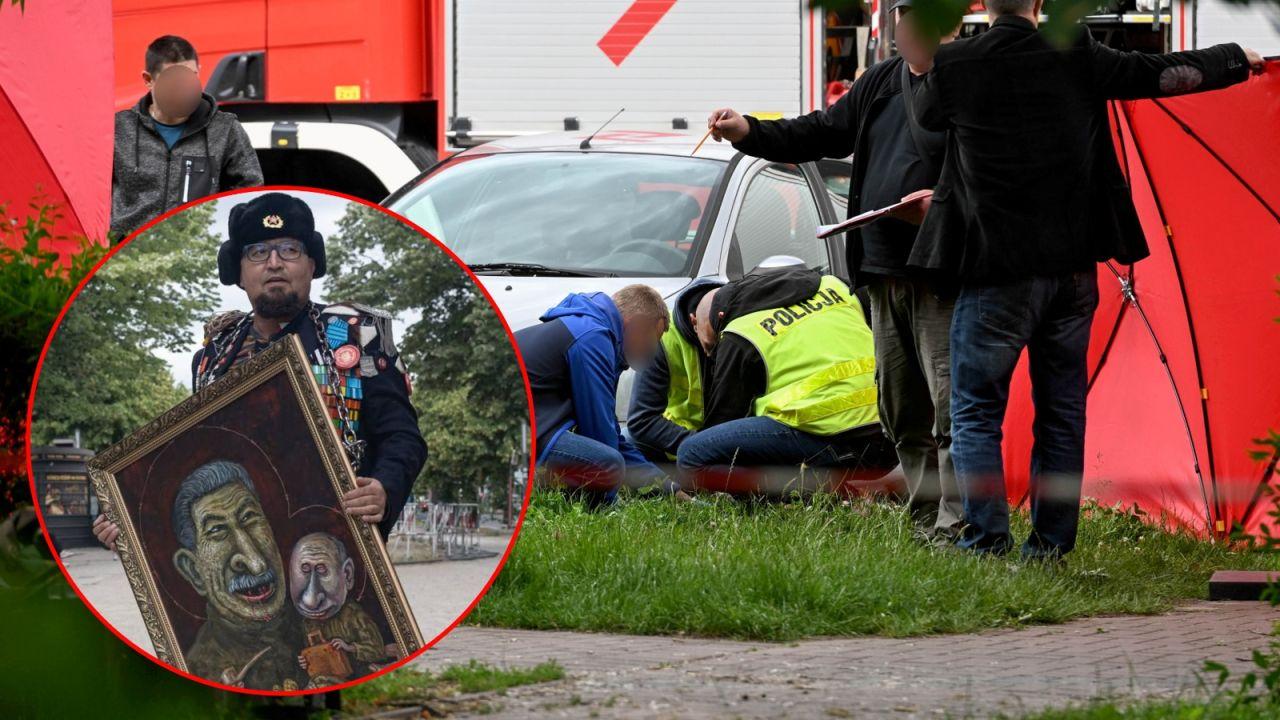
Gunman Kills Russian Kremlin Critic Semyon Skrepetsky in Biała Podlaska
10 sources compared
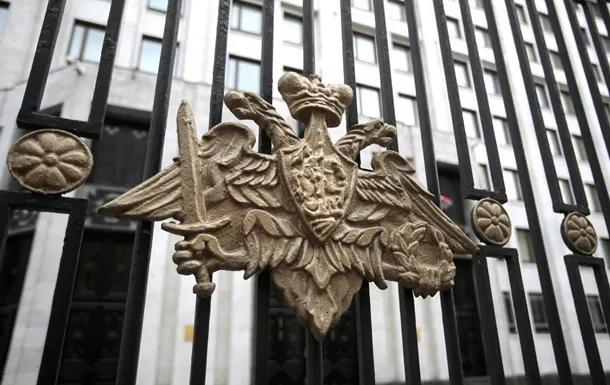
Russian Admiral Grigorovich Fired Warning Shots At UK-Registered Yacht In English Channel
34 sources compared