Russia Lancia Attacchi Massicci Su Kiev E Kharkiv, Colpiti Edifici Residenziali E Infrastrutture Energetiche
Key Takeaways
- Russia conducted an overnight assault on Kyiv and Kharkiv, striking residential buildings and energy infrastructure.
- Hundreds of drones and missiles were deployed, with most intercepted or destroyed by Ukrainian forces.
- Casualties were reported, with deaths and injuries, though toll figures vary across outlets.
Kiev e Kharkiv colpite
La Russia ha lanciato attacchi massicci contro Kiev e Kharkiv, colpendo edifici residenziali e infrastrutture energetiche, con le autorità che riportano almeno un morto e decine di feriti.
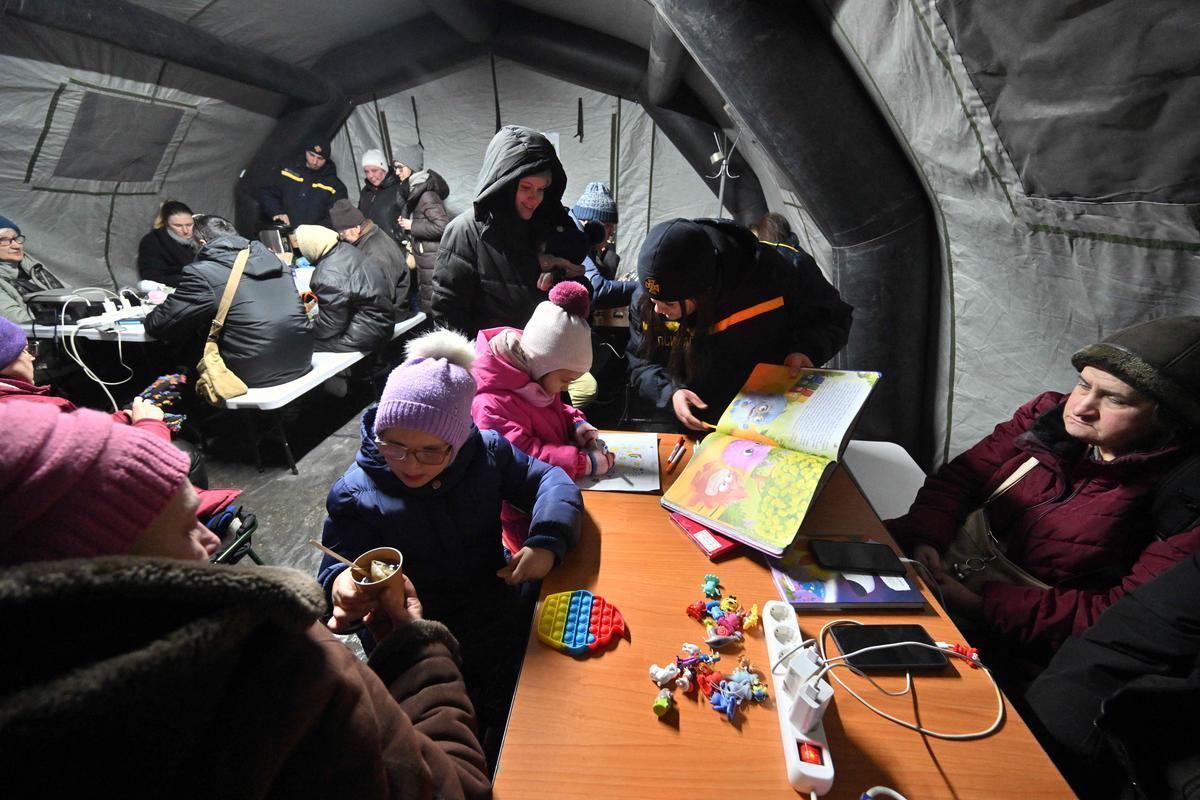
“In three years of war, facing the Russian night strikes, underground life has organized itself”
Secondo le forze di difesa aerea dell'AFU, l’attacco notturno ha usato circa 400 droni e missili di vario tipo, e 372 di essi sono stati abbattuti o soppressi.

A Kiev, il sindaco Vitali Klitschko ha esortato i residenti su Telegram: "Kiev è sotto un massiccio bombardamento nemico. Non lasciate i vostri rifugi!", aggiungendo che sono scoppiati incendi in diversi edifici colpiti dai detriti dei droni e che le forniture di acqua e riscaldamento sono state interrotte in alcune parti della capitale.
Nella seconda città dell’Ucraina, Kharkiv, il sindaco Ihor Terekhov ha dichiarato che i colpi dei droni russi hanno danneggiato diversi edifici residenziali, con incendi in appartamenti di grattacieli e danni a un ostello per sfollati, a un ospedale e a una maternità.
Chernihiv, nel nord del Paese, è stata gravemente colpita dai bombardamenti russi, con quasi tutta la città bombardata secondo l’amministrazione locale.
Numeri e accuse divergenti
Mentre Euronews parla di almeno un morto e decine di feriti, il presidente ucraino Volodymyr Zelensky ha affermato che i bombardamenti sulla capitale Kiev tra il 22 e il 23 giugno hanno causato almeno otto morti.
Zelensky ha descritto l’attacco come condotto anche con droni Shahed, progettati dall’Iran, e ha aggiunto: "352 droni, di cui 159 droni Shahed, e 16 missili".

Secondo l’articolo, l’attacco è durato più di quattro ore, è iniziato poco prima di mezzanotte e ha usato droni esplosivi, missili balistici e missili da crociera, spingendo molti abitanti a raggiungere i rifugi e le stazioni della metropolitana.
La Russia, invece, ha affermato di aver preso di mira obiettivi militari, e Zelensky ha definito Mosca, Teheran e Pyongyang una "coalizione di assassini".
Nel frattempo, l’articolo riferisce che il 23 giugno un attacco ucraino con i droni ha "provocato un incendio in un impianto industriale del distretto di Kamenskij" secondo Jurij Sljusar, governatore della regione russa di Rostov.
Rischi diplomatici e reazioni
Gli attacchi arrivano mentre gli sforzi diplomatici per mettere fine alla guerra tra Mosca e Kiev sono in fase di stallo, con posizioni definite inconciliabili e Mosca che insiste sul ritiro delle truppe ucraine dal Donbass.
“'New night of terror in Ukraine,' reports El Mundo”
Euronews riferisce che i bombardamenti russi sono avvenuti in concomitanza con l’incontro diretto dei negoziatori di Russia, Ucraina e Stati Uniti iniziato venerdì ad Abu Dhabi su un piano promosso dal presidente americano Donald Trump per porre fine alla guerra che dura da quasi quattro anni.
Nel racconto di RaiNews, la notte di attacchi su Kiev viene descritta come "il più pesante bombardamento russo dalla fine di luglio" e i servizi d’emergenza ucraini indicano almeno 19 morti, di cui 4 bambini, e decine di feriti.
RaiNews riporta anche la reazione dell’inviato speciale Usa Keith Kellogg, che ha definito gli attacchi "Attacchi vergognosi" e ha detto che "minacciano la pace che il presidente Donald Trump sta perseguendo".
Nello stesso quadro, il portavoce Dmitry Peskov ha assicurato che il Cremlino mantiene "l'interesse a proseguire il processo negoziale", aggiungendo però che le forze militari russe continuano ad attaccare siti militari e infrastrutture legate al settore militare in risposta ai raid contro infrastrutture russe.
More on Ukraine War

Ukraine Drone Attack Hits Moscow Oil Refinery, Injuring 17 Across Moscow Region
15 sources compared

Ukraine Hits Moscow Oil Refinery, Destroys Nearly 200 Drones, Sobyanin Says
16 sources compared

Trump Meets Zelensky at G7 in Évian, Urges Russia to Make a Deal
10 sources compared

Trump Urges Russia To Make A Deal To End Ukraine War At G7
15 sources compared