Russia Agrees to Stop Recruiting Kenyans to Fight in Ukraine
Key Takeaways
- Kenya and Russia agreed to stop recruiting Kenyan citizens to fight in Ukraine.
- Talks occurred in Moscow; Musalia Mudavadi announced the agreement to Lavrov.
- Estimates indicate over 1,000 Kenyans had been recruited to Ukraine.
Diplomatic Agreement Reached
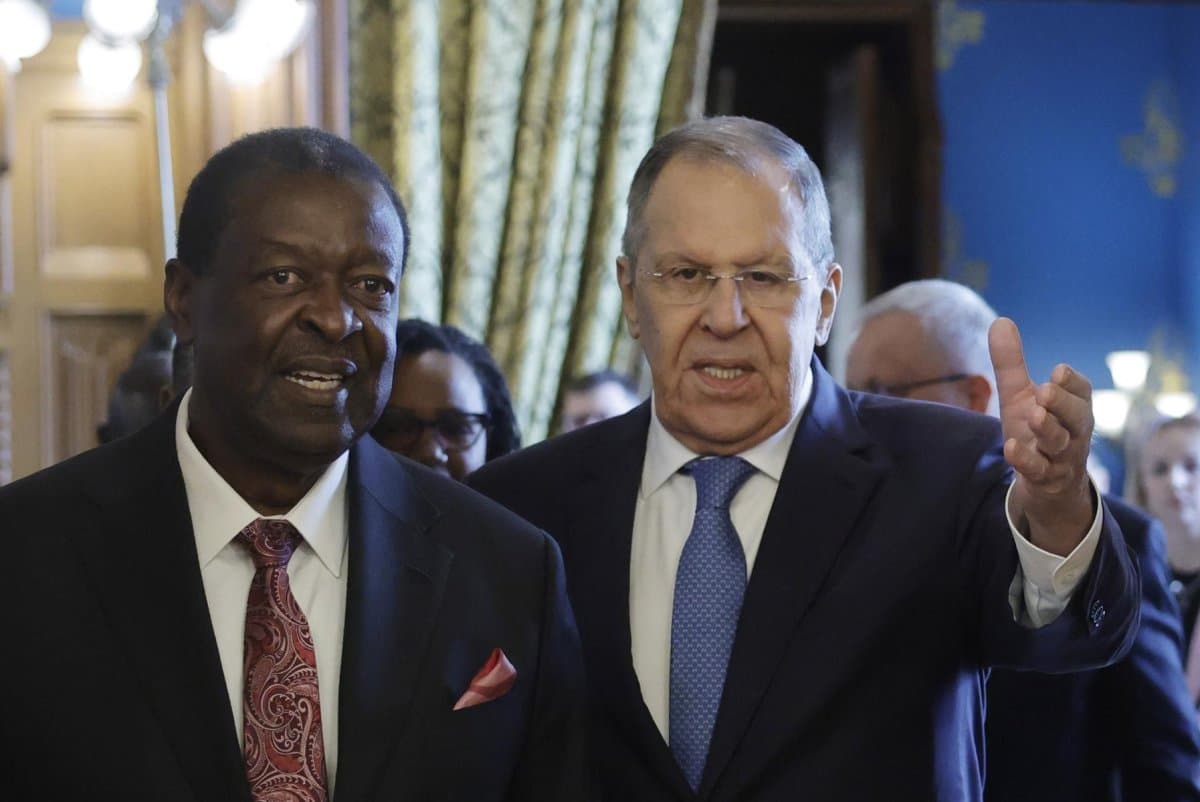
Russia has agreed to stop recruiting Kenyan citizens to fight with its army in Ukraine, following diplomatic discussions in Moscow.
“Russia has agreed to stop recruiting Kenyan citizens to fight with its army in Ukraine, Kenya’s foreign minister has said”
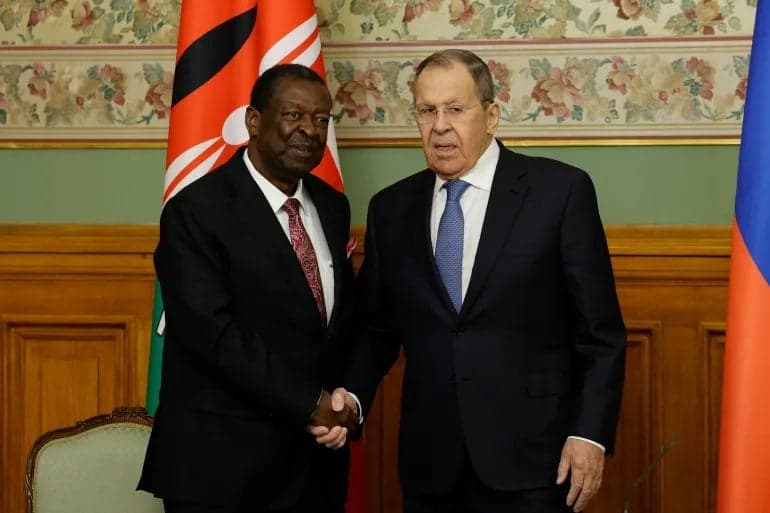
The agreement was formally announced on Monday, with Kenyan Foreign Minister Musalia Mudavadi and Russian Foreign Minister Sergey Lavrov involved in the talks.

Mudavadi stated that both sides had reached an understanding that Kenyan nationals would no longer be enlisted through the Russian Ministry of Defence.
'We have now agreed that Kenyans shall not be enlisted,' Mudavadi told reporters during a joint press conference.
Lavrov maintained that foreign fighters had joined voluntarily 'in full compliance with Russian law.'
Kenya emphasized that the broader relationship between the two countries should not be defined solely by the recruitment issue.
Recruitment Scale and Deception
The scale of Kenyan recruitment into Russia's military forces represents a significant humanitarian concern, with estimates suggesting more than 1,000 Kenyan citizens have been sent to fight in Ukraine.
Kenyan intelligence services provided far higher figures than initially acknowledged, with a February report revealing over 1,000 Kenyans had been recruited, dramatically higher than the earlier figure of around 200.
Ukraine has estimated that 1,780 citizens from 36 African countries are currently fighting alongside Russian forces.
The recruitment process has been characterized by systematic deception, with Kenyan victims reporting they were lured with promises of well-paid civilian jobs in Russia before being forced into military service.
Many recruits traveled on tourist visas through Istanbul and Abu Dhabi, receiving minimal military training as little as nine days before being deployed to the front lines.
Human Cost and Response
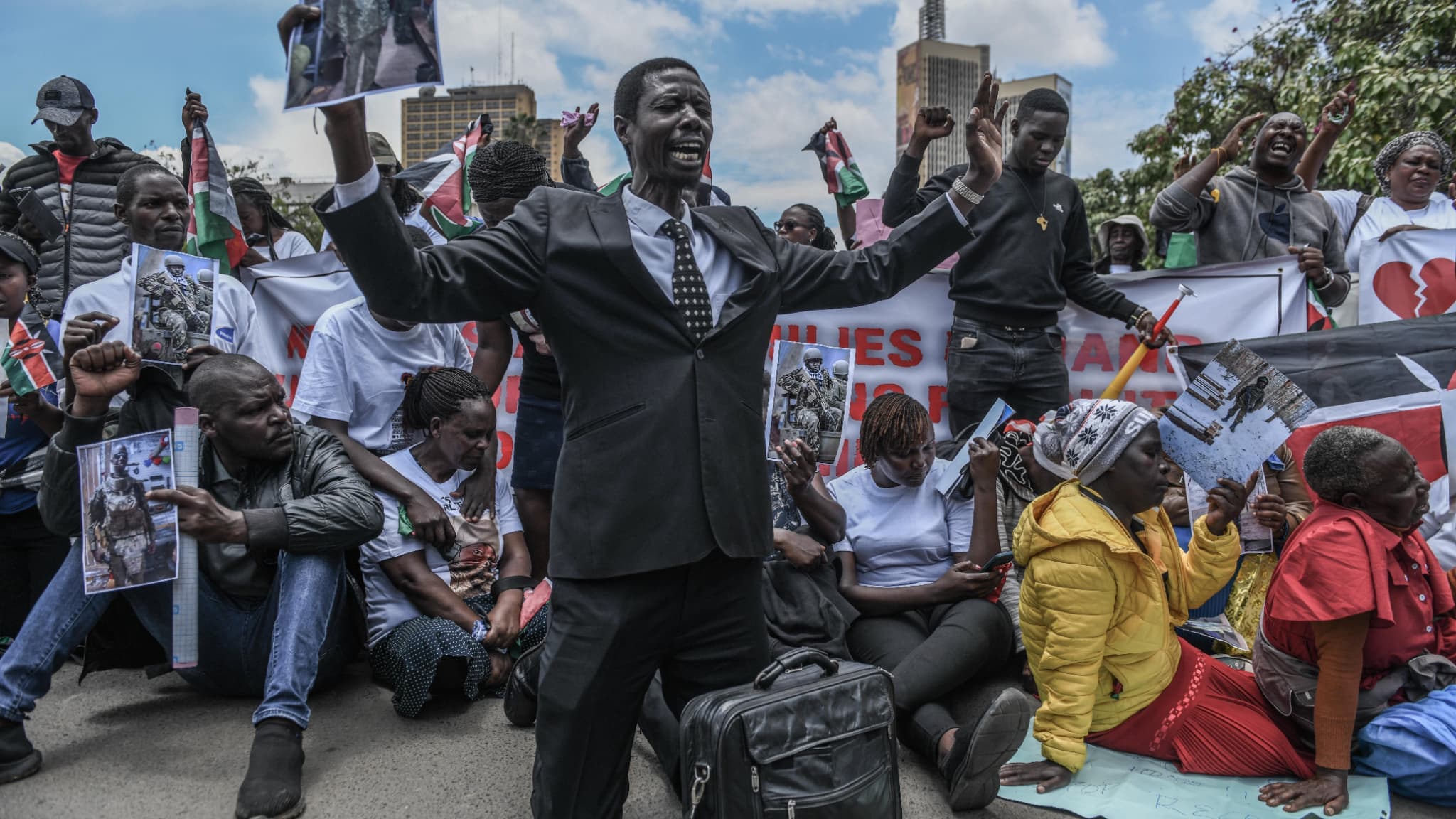
The human cost of this recruitment crisis has been severe, with devastating consequences for Kenyan citizens and their families.
“- Published Kenya's foreign minister says Russia has agreed to stop deploying Kenyan nationals to fight in the war in Ukraine, after talks in Moscow”
According to Kenyan intelligence reports, at least 10 Kenyans have died fighting for Russian forces, while 28 remain missing in action and 39 have been hospitalized.
The situation has led to criminal charges against at least one Kenyan national, Festus Omwamba, who was charged with human trafficking for allegedly sending 22 Kenyan youths to Russia by deception.
The Kenyan government has responded by shutting down more than 600 recruitment agencies suspected of duping citizens with false promises of overseas employment.
So far, 27 Kenyans who had been fighting in Russia have been repatriated, with authorities providing psychological care and 'de-radicalization' programs to address their trauma.
However, there has been no mention of compensation for families of those killed or injured, and it remains unclear whether repatriation of those still deployed will be arranged.
Russian Response and Contradictions
Russian officials have consistently contradicted Kenyan findings about the recruitment process, maintaining that all foreign fighters joined voluntarily and with full knowledge of their missions.
Russian Foreign Minister Lavrov insisted that Kenyan citizens had 'voluntarily signed contracts to fight alongside the Russian army,' claiming that Russia does not recruit but responds to requests from individuals who join willingly.
The Russian Embassy in Nairobi has gone further by denying the allegations outright, stating it 'never issued visas to anyone intending to travel to Russia to fight in Ukraine.'
This position directly contradicts the findings of Kenya's National Intelligence Service and Directorate of Criminal Investigations, which concluded that most Kenyans were misled with false promises of skilled jobs.
Washington Post investigations have further corroborated Kenyan claims, describing a 'broadly deceptive and structured system' for recruiting Kenyans.
The system often involved advance payments of $390 and promises of monthly salaries ranging from $885 to $2,650, with recruits then forced to sign contracts in Russian without translation.
Kenya's Diplomatic Approach
Kenya has approached the recruitment crisis as part of maintaining broader diplomatic relations with Russia rather than allowing it to become a defining issue in their bilateral relationship.
“- Kenya announced that Russia will stop recruiting Kenyan citizens through its defence ministry for the war in Ukraine”
Prime Cabinet Secretary and Foreign Affairs Minister Musalia Mudavadi framed the enlistment row as 'a problem to be resolved within a broader partnership rather than a rupture.'
Mudavadi emphasized that Kenya 'does not want [its] relationship to be defined through the lens of the special operation' – using Russia's terminology for its war in Ukraine.
Kenya established diplomatic relations with Russia on December 14, 1963, and has maintained ties since independence, with the Soviet Union being the second country to recognize Kenyan sovereignty.
Beyond the recruitment agreement, the two countries were also expected to sign a labor agreement aimed at protecting Kenyans working in Russia, particularly in drone manufacturing and related industries.
The Kenyan mission in Moscow has been instructed to provide consular services to nationals requiring assistance, though the agreement does not address compensation for affected families or the future status of Kenyans already deployed.
More on Ukraine War
Russia Advises Iran on Drone Tactics to Hit US and Gulf Targets
11 sources compared

US Eases Russian Oil Sanctions Despite Allies' Warnings It Could Boost Kremlin War Chest
10 sources compared
Ukraine Strikes Bryansk Microelectronics Plant With Storm Shadow Missiles, Killing Six
13 sources compared

Zelenskyy Urges Allies to Back Ukraine as Iran War Steals Momentum
12 sources compared