Ukraine War13 March, 20262 min read
US Eases Russian Oil Sanctions Despite Allies' Warnings It Could Boost Kremlin War Chest
United States temporarily eased sanctions on Russian oil shipments with a 30-day waiver. Ukraine and European allies warned easing would bolster Moscow's war chest and prolong the war.
Policy change explained
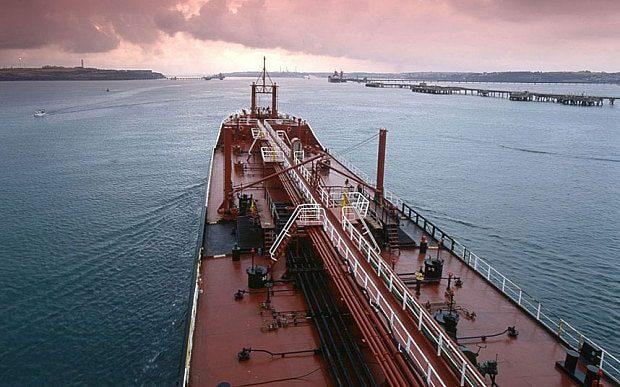
The U.S. Treasury announced a temporary, narrowly tailored easing of sanctions that allows certain Russian oil cargoes already at sea to be delivered for a limited period.
“Treasury Secretary Scott Bessent said that until April 11 countries would be able to buy Russian oil that was already at sea.”
Treasury Secretary Scott Bessent said countries would be able to buy Russian oil that was already at sea until April 11 and described the step as a “narrowly tailored, short-term measure,” while multiple outlets reported it as a 30-day waiver intended to stabilize markets amid disruption linked to the Iran conflict.
The move covers deliveries loaded onto tankers by the specified cut-off and was framed by the administration as a short-term fix to calm energy markets.
U.S. rationale
The administration framed the decision as a market-stability measure and emphasised limited scope. Officials described the step as part of President Donald Trump’s effort to “promote stability in global energy markets and working to keep prices low,” with Bessent calling it a short-term, narrowly tailored measure and saying it would “not provide significant financial benefit to the Russian government.” The Treasury also reiterated that broader sanctions targeting major Russian energy firms remain in place.
Allied backlash
Allies and Kyiv reacted strongly, warning the waiver could bolster Moscow’s war chest and weaken pressure on the Kremlin. Ukrainian President Volodymyr Zelenskyy said the move “does not help peace” and warned it “could provide Russia with around $10 billion for the war,”
“‘This single easing by the US could provide Russia with around $10 billion for the war. It certainly does not help peace,’ Ukrainian President Volodymyr Zelenskyy said during a joint press conference on March 13 with French President Emmanuel Macron in Paris.”
European leaders including Germany’s Friedrich Merz, UK Prime Minister Keir Starmer and France’s Emmanuel Macron raised objections during G7 discussions. Britain’s government said it would not follow the U.S. step and urged partners to keep up pressure on Russia.
Market effects
Markets and prices remained volatile despite the waiver, and analysts and officials warned about the practical and financial consequences. Brent crude briefly eased after the announcement but then rose above $100 per barrel; outlets noted the announcement may only partially calm markets Kyiv and others estimate the easing could add billions to Russian revenues that can be used for the war in Ukraine.
Geopolitical context
The decision was set against heightened regional risk from the Iran war and shipping disruptions through the Strait of Hormuz, which countries and local UK officials warned was tightening global energy supplies. Outlets reported that the Strait of Hormuz blockade was preventing millions of barrels from reaching markets, that attacks and potential mines have threatened Gulf shipping, and that U.K. energy hubs such as Milford Haven face particular exposure — prompting British ministers to stress sanctions and readiness to protect supplies.
“The Strait of Hormuz blockade is preventing around 10 million barrels from entering the international market every day.”